
Blooming
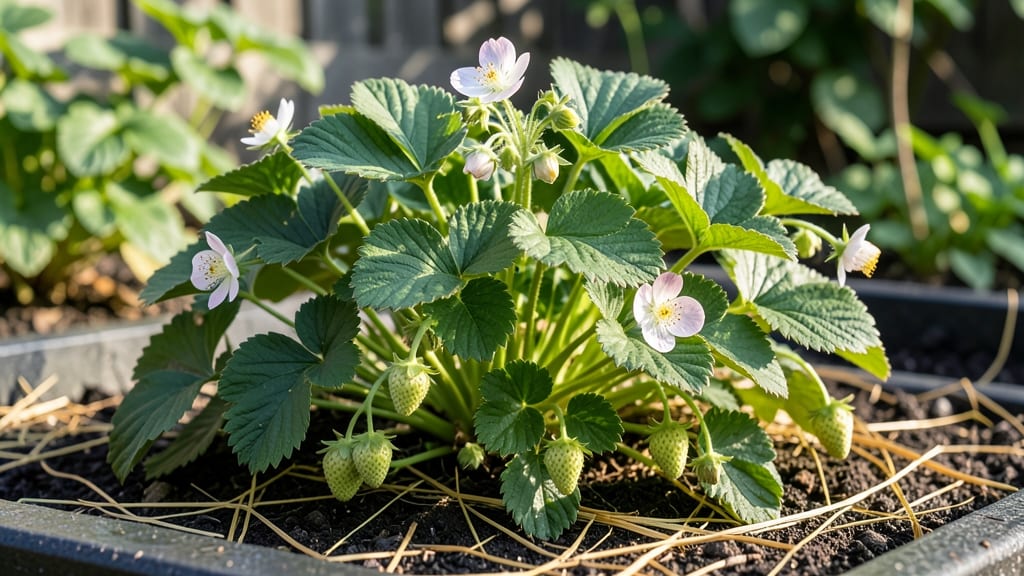
Strawberries take about 30 to 45 days to grow after flowering, turning those delicate blooms into sweet, ripe fruit 🍓.
Watching strawberry flowers bloom is exciting—but how long until you can finally enjoy those juicy berries? The wait between flowering and harvest is shorter than you think, but timing it right ensures the sweetest, ripest fruit possible.
Most varieties—June-bearing, everbearing, or day-neutral—follow this roughly 4-week window from pollination to harvest, though climate and care can tweak that timeline. Too much heat or drought? You might see delays. But with the right conditions, you could be picking berries in just a few weeks.
Below, I’ll break down the exact stages of strawberry growth, plus 5 key factors that speed up or slow down ripening so you can plan your harvest like a pro.


Strawberry growth timeline: flowering to ripe fruit (30-45 days explained)
Once those white strawberry blossoms appear, you’re just 30-45 days away from harvest—but timing can shift based on your climate and care. The journey from pollination to ripe fruit involves three key phases: fruit set, color development, and full ripening.
Understanding each stage helps you optimize growing conditions for the sweetest berries.
After pollination (by bees or wind), tiny green strawberries form in just 7-10 days. These pea-sized berries grow rapidly as they absorb nutrients from the soil. During this phase, consistent watering and balanced fertilizer are critical to prevent misshapen fruit.
If your plants struggle with low humidity or poor pollination, berries may drop off before maturing.
| Stage | Days After Flowering | Key Changes | Care Tips |
|---|---|---|---|
| Fruit Set | 7-10 days | Tiny green berries form | Water deeply, avoid overhead spray |
| Color Development | 14-21 days | Berries turn pink/red | Reduce nitrogen, add potassium |
| Full Ripening | 28-45 days | Fully colored, soft, sweet | Harvest promptly, avoid overripening |
The color change from green to red (or yellow/white for heirloom varieties) typically occurs between 14-21 days after flowering. This stage is highly sensitive to temperature fluctuations. If nights dip below 50°F (10°C), ripening slows dramatically.
In hot climates (85°F+ or 29°C+), berries may ripen in just 25 days, but flavor can suffer from sun scorch.
By day 28-30, strawberries should reach their final color and texture. The red hue deepens, and the fruit becomes plump and slightly soft to the touch. At this point, daily checks are essential—ripe strawberries won’t improve after picking, and overripe fruit attracts pests like birds and slugs.
If your berries stay firm or fail to sweeten, they may need more sunlight or warmth.
Ever-bearing varieties (like Albion or Seascape) often ripen 5-7 days faster than June-bearing types (e.g., Jewel or Chandler) because they produce smaller, more efficient fruit. Day-neutral varieties (like Ozark Beauty) stretch ripening over several weeks if given ideal conditions.
To speed up ripening, hand-pollinate flowers on cloudy days or use a soft paintbrush to transfer pollen.
Watering plays a critical role during the last 10 days of ripening. Overwatering dilutes flavor, while underwatering causes cracking. Aim for 1 inch (2.5 cm) of water per week, delivered early in the morning to prevent fungal diseases like gray mold.
Mulch with straw or pine needles to retain moisture and protect fruit from soil-borne pathogens.
If your strawberries stop ripening mid-process, check for nutrient deficiencies. A potassium boost (like banana peel tea) or calcium (crushed eggshells) can help. Shade cloth during extreme heat (above 90°F or 32°C) also prevents sunscald, which turns berries white and mealy.
With the right care, you’ll go from blossom to bite-sized berries in just 30-45 days—no waiting required!
Pro tip: Harvest in the morning when sugars are highest. Use clean scissors or fingers to avoid damaging the plant, leaving ¼-inch of stem attached. This small habit extends the plant’s productivity for weeks to come.
5 Key factors that speed up or slow down strawberry ripening
Timing is everything when growing strawberries—especially after those beautiful white flowers appear. While the average 30-45 day window from flowering to ripe fruit is standard, your actual harvest timeline can swing wildly based on these 5 critical factors.
Get them right, and you’ll enjoy berries weeks earlier. Miss the mark, and you might face disappointing delays or poor-quality fruit.
First, let’s talk soil nutrients. Strawberries are heavy feeders, and nutrient-deficient soil can stretch out that ripening timeline by 10-15 days. A balanced fertilizer with 10-10-10 NPK applied at planting and again after flowering gives your plants the boost they need to develop fruit quickly.
I’ve seen June-bearing varieties ripen nearly 2 weeks faster when planted in compost-rich soil compared to nutrient-poor ground.
The second game-changer is your watering schedule. Consistent moisture is key—too little, and your berries stay small and tart; too much, and they split or rot. Aim for 1 inch of water per week, delivered in the morning to prevent fungal issues.
During hot summers, I increase frequency to every 2-3 days, which helps strawberries mature 3-5 days faster by keeping the soil evenly moist without waterlogging.
- 30-45 days: Standard timeline for June-bearing varieties in ideal conditions (60°F-75°F, full sun, consistent water).
- 20-30 days: Everbearing/day-neutral varieties ripen faster (2-3 weeks) when hand-pollinated and grown in warm climates (70°F+).
- 45-60 days: Delays occur in cool climates (<55°F) or with poor pollination, nutrient deficiencies, or inconsistent watering.
- 10-14 days: Speed boost with hand-pollination, balanced fertilizer, and morning watering in peak growing season.
Next up is pollination. While bees do the job naturally, hand-pollination can shave 5-7 days off ripening time, especially in early spring or late fall when pollinators are scarce. Simply use a small brush to transfer pollen from flower to flower, or gently shake plants to release pollen.
I’ve found this technique works best for everbearing varieties, which produce multiple harvests if pollinated consistently.
Don’t overlook seasonal timing. Planting strawberries in late summer or early fall (for a spring harvest) often yields faster ripening than spring-planted beds. Fall-planted berries benefit from cooler temperatures, which reduce stress and encourage steady growth.
In my garden, fall-planted June-bearing strawberries ripen 10 days earlier the following summer compared to spring-planted ones.
Finally, temperature and sunlight play a huge role. Strawberries thrive in 60°F-75°F conditions, with full sun (6+ hours daily). Heatwaves above 85°F can slow ripening, while cool nights (<50°F) may cause blossom end rot or delayed fruit set. I’ve noticed that shading plants during peak afternoon heat (using lightweight row covers) can actually speed up ripening by 3-5 days by preventing stress.
Master these five factors, and you’ll turn those strawberry flowers into ripe, juicy berries in record time. The key is consistency—whether it’s feeding your plants, watering wisely, or protecting them from extreme weather.
With the right approach, you could be harvesting your first berries in as little as 20 days after flowering! 🍓