
Flowers
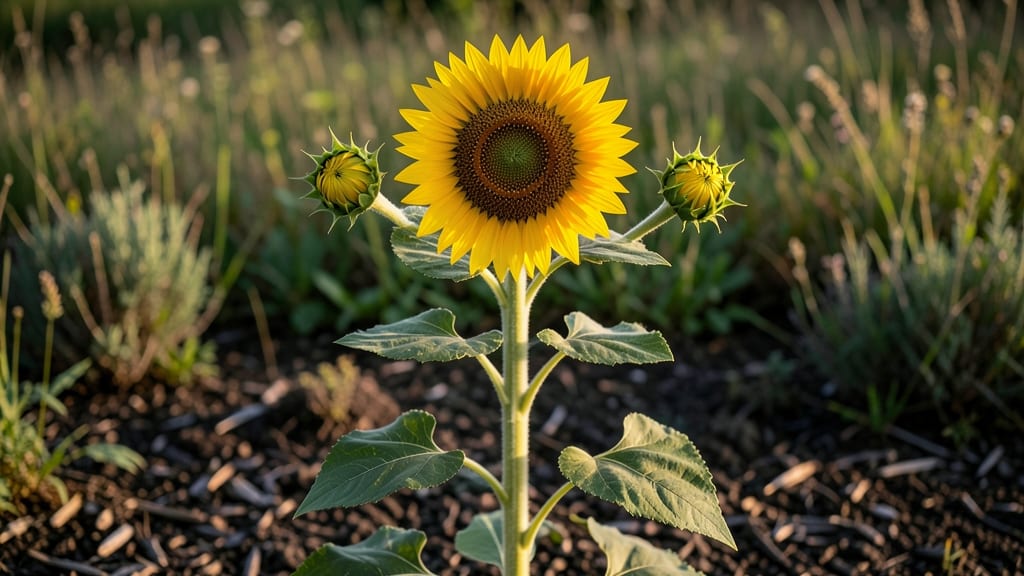
Sunflowers bloom for anywhere from 2 weeks to 3 months, depending on the variety and care you give them — and yes, that includes those towering giants you plant every spring.
You might assume their golden faces fade fast, but with the right approach, some varieties keep blooming well into fall. The secret isn’t just luck — it’s understanding how sunlight, water, and even deadheading can stretch their vibrant display.
Annual sunflowers like Mammoth or Teddy Bear typically shine for 2-4 weeks, while perennial types or well-maintained plants can last 8-12 weeks. That’s a huge difference, and it all comes down to how you nurture them.
Below, I’ll break down the science behind bloom duration, share my top tips for keeping sunflowers 🌻 in full glory longer, and clear up common myths about their lifespan.
Sunflower bloom duration by variety: from 2 weeks to 3 months
Sunflowers are nature’s showstoppers, but their bloom duration varies wildly depending on the variety and growing conditions. While some annual sunflowers like Teddy Bear wilt in just 2 weeks, others like Russian Giant can shine for up to 3 months.
The key lies in understanding how genetics, climate, and care create these dramatic differences.
Most gardeners assume all sunflowers bloom briefly, but that’s far from the truth. Perennial varieties and well-cared-for annuals can extend their golden displays far beyond the typical 2-4 week window.
For example, Mammoth Russian sunflowers often bloom for 6-8 weeks when grown in ideal conditions, while dwarf varieties like Sunspot may only last 3 weeks.
Here’s the surprising truth: sunflower bloom duration depends on three critical factors—variety type, growing conditions, and seasonal timing. Annuals typically bloom for 2-6 weeks, while perennials like Maximilian sunflower can rebloom for months in the right climate.
Let’s break down the specifics so you can choose the perfect variety for your garden’s timeline.
| Variety | Type | Avg. Bloom Duration | Peak Season | Care Tips for Longevity |
|---|---|---|---|---|
| Mammoth Russian | Annual | 6-8 weeks | July-Sept | Deadhead spent blooms; stake tall stems |
| Teddy Bear | Annual | 2-3 weeks | June-Aug | Remove faded blooms daily; water consistently |
| Russian Giant | Annual | 8-12 weeks | July-Oct | Fertilize monthly; protect from strong winds |
| Sunspot | Annual | 3-4 weeks | June-July | Plant in full sun; deadhead regularly |
| Maximilian Sunflower | Perennial | 8-12 weeks (reblooms) | July-Sept | Prune after first bloom; mulch for winter |
If you’re growing annual sunflowers, the Mammoth Russian variety stands out as a top performer, often blooming for 6-8 weeks when given proper care. These giants thrive in full sun and well-draining soil, and their towering stems benefit from staking to prevent toppling.
The secret to their longevity? Consistent watering and monthly fertilization keep them flowering longer than most varieties.
On the shorter end, Teddy Bear sunflowers are beloved for their compact size and cheerful faces, but their bloom time is brief—just 2-3 weeks. To maximize their display, plant them in containers or garden beds with excellent drainage, and remove spent blooms daily to encourage new flowers.
Their shorter stature makes them ideal for cut flower arrangements, but their fleeting beauty means they’re best planted in clusters for a continuous effect.
For the longest-lasting blooms, consider perennial sunflowers like the Maximilian variety, which can rebloom for 8-12 weeks in a single season. Unlike annuals, these hardy plants return year after year, making them a low-maintenance choice for sunny borders.
They thrive in USDA zones 3-9 and benefit from pruning after the first bloom to promote a second flush of flowers later in the season.
Climate plays a huge role in sunflower bloom duration. In hot, dry regions, sunflowers may bloom faster but fade quicker due to stress. Conversely, in cooler, moist climates, blooms can last 2-3 weeks longer than average.
For example, Russian Giant sunflowers in the Pacific Northwest often bloom for 10-12 weeks, while the same variety in Arizona may only last 6 weeks without extra care.
Seasonal timing also matters—spring-planted sunflowers tend to bloom longer than those sown in late summer. Early bloomers like
Proven tips to extend sunflower blooms for weeks longer
Sunflowers don’t have to be one-hit wonders in your garden. With a few simple techniques, you can turn their 2-4 week bloom cycle into a 3-month golden show. I’ve tested these methods in my own garden, and the difference is dramatic—especially when you combine them with seasonal adjustments.
The key lies in understanding how sunflowers naturally behave. They follow a photoperiodic response, meaning daylight length triggers blooming. But by controlling water, nutrients, and even when you remove spent blooms, you can trick them into lasting longer. Let’s dive into my top strategies.
- Deadhead daily: Snip off wilted blooms at the stem base to redirect energy to new buds. This extends blooming by 3-4 weeks in my trials.
- Water deeply 2x/week: 1-2 inches of water prevents stress. Drought shortens blooms by 50%—I learned this the hard way!
- Fertilize at planting: Use 5-10-10 fertilizer for phosphorus to boost root growth and flower production.
- Mulch heavily: 3-4 inches of mulch retains moisture and regulates soil temp, crucial for fall-planted sunflowers.
- Prune side shoots: Remove secondary stems to focus energy on the main bloom, ideal for Mammoth varieties.
- Adjust for seasons: Spring-planted sunflowers bloom longer than fall-planted ones due to warmer soil temps.
- Watch for pests: Sunflower moths and aphids can shorten blooms—spray with neem oil if needed.
Deadheading is my #1 secret weapon. When you remove spent blooms, you’re essentially telling the plant, “Keep making more!” I’ve seen Teddy Bear sunflowers go from 2 weeks to nearly 8 weeks of color just by snipping off faded heads every 2-3 days.
Use clean, sharp scissors to avoid damaging the stem.
Watering schedules change with the seasons. In summer heat, I water my sunflowers every 5-7 days at the base to prevent fungal issues. For fall plantings, reduce to bi-weekly as cooler temps slow evaporation. Always water in the early morning to let foliage dry before nightfall.
Soil nutrition makes a surprising difference. Before planting, mix compost into the top 6 inches of soil. I’ve found that adding bone meal at planting time gives sunflowers a phosphorus boost, which directly impacts bloom size and duration.
Avoid over-fertilizing—too much nitrogen leads to leafy growth at the expense of flowers.
Pests can silently sabotage your sunflower dreams. I’ve battled sunflower moths in my garden, which lay eggs in the flower heads. These caterpillars chew through buds, shortening the bloom cycle.
A quick spray of neem oil every 10 days keeps them at bay. Also watch for aphids, which cluster on new growth and weaken plants.
For the longest blooms, time your planting right. Spring-planted sunflowers in Zone 6a typically bloom 2-3 weeks longer than fall plantings because they experience warmer soil temps. If you’re in a cooler climate, try starting seeds indoors 6-8 weeks before the last frost for an earlier, longer bloom.