
Blooming
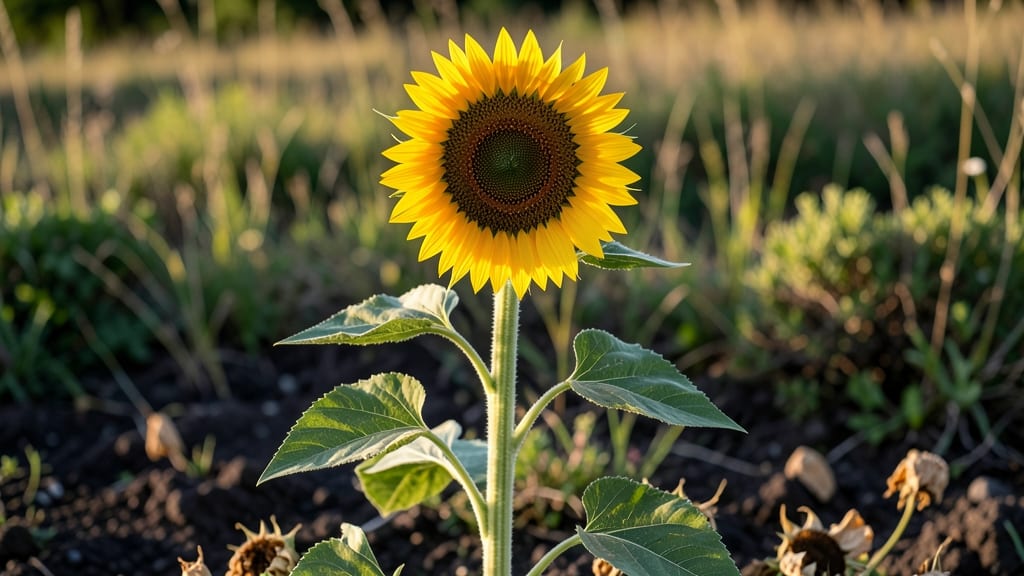
Sunflowers take between 60 and 120 days to flower from seed, depending on the variety and growing conditions—so timing your planting is half the battle.
Picture this: you’ve just tucked those tiny seeds into the soil in April, dreaming of towering golden blooms by summer. But if you’re not tracking the right milestones, you might miss the window entirely—or end up with stunted plants that never reach their full potential.
The fastest dwarf varieties can bloom in as little as 50 days, while giant sunflowers may take 120 days or more.
Sunlight, soil warmth, and even your last frost date play a bigger role than you might think, and skipping the basics can leave you waiting months longer than expected.
In this guide, I’ll break down the exact timeline by variety, share the key signs your sunflower is ready to bloom, and give you the pro tips to speed up the process—so you can enjoy those cheerful faces by mid-summer.
Sunflower flowering timeline by variety: fastest to slowest bloomers
Sunflowers are one of the fastest-growing plants in the garden, but their flowering timeline varies dramatically by variety. Dwarf varieties like 'Teddy Bear' can bloom in just 50-60 days, while giant varieties like 'Russian Giant' may take 120+ days.
Understanding these differences helps you plan your garden layout and harvest timing effectively.
The key to predicting blooming time lies in three factors: genetic variety, growing conditions, and planting season. Even within the same variety, cooler temperatures or poor soil can delay flowering by 10-20 days.
For example, a 'Moulin Rouge' sunflower might bloom in 65 days in warm climates but stretch to 80 days in cooler regions.
Here’s how to categorize sunflower varieties by their typical flowering timeline, from the fastest dwarf types to the slowest giant varieties:
A common misconception is that all sunflowers follow the same 60-day blooming rule. In reality, dwarf varieties like 'Teddy Bear' can flower in just 50 days, making them perfect for container gardens or early summer displays.
Meanwhile, giant varieties like 'Russian Giant' require 100+ days to mature, which means planting them early in USDA Zone 5 or warmer.
If you’re growing sunflowers for seed production, timing is critical. For example, 'Autumn Beauty' takes 70-80 days to flower, but its seeds need an additional 30-45 days to mature.
Planting too late in the season can result in immature seeds before the first frost. To avoid this, use a frost date calculator and adjust your planting window accordingly.
For cut flower arrangements, mid-size varieties like 'Moulin Rouge' (65-75 days) strike a balance between quick blooms and long stems. These varieties are ideal for weekly harvests throughout the summer.
To extend your blooming season, consider succession planting—sow a new batch of fast-blooming dwarf varieties every 2-3 weeks for continuous color.
One pro tip I’ve learned is to track germination dates on a garden journal. Label each sunflower variety with its planting date and expected bloom date based on the table above. This helps you anticipate when to thin seedlings or provide support stakes for taller varieties.
For instance, if you plant 'Russian Giant' in early May, you can expect blooms by mid-September in most climates.
Another factor to consider is soil temperature. Sunflower seeds germinate best in soil that’s at least 55°F (13°C). If your spring is particularly cool, opt for warmer-starting varieties like 'Little Becka' or use black plastic mulch to speed up soil warming.
This can shave off 5-10 days from the overall flowering timeline.
Finally, don’t overlook the role of light exposure. Sunflowers need 6-8 hours of direct sunlight daily to reach their full potential. If your garden is shady, choose dwarf varieties like 'Teddy Bear,' as they tolerate partial shade better than their taller counterparts.
In full sun, even the slowest varieties will bloom 10-15 days earlier than in suboptimal conditions.
By selecting the right variety for your goals—whether it’s quick blooms, tall stems, or seed production—you can ensure your sunflowers meet your timeline expectations every season. 🌻
How growing conditions accelerate or delay sunflower blooming
Sunflowers thrive on ideal conditions, but even small changes in your garden can speed up or slow down blooming by weeks. The soil temperature alone can shift flowering time by 10-20 days—warm soil in spring triggers faster germination and growth.
Meanwhile, inconsistent watering patterns or shade from nearby plants can stretch your timeline by months, leaving you waiting for those golden faces.
Your climate zone also plays a starring role. In USDA Zone 5, early spring plantings might need protective cover to avoid frost damage, while Zone 10 gardeners can plant year-round with minimal delays.
Even the moon phase at planting can subtly influence root development, though it’s less critical than sunlight or soil prep.
- Sunlight: 6+ hours daily cuts blooming time by 30% vs. partial shade. South-facing beds accelerate growth by 10-14 days.
- Soil Temp: 60°F+ soil speeds germination; below 50°F can delay blooming by 2-3 weeks. Use black plastic mulch to warm soil faster.
- Watering: Deep weekly watering (1-2 gallons) prevents stress; inconsistent moisture adds 10-15 days to flowering.
- Spacing: 12+ inches apart reduces competition, blooming 7-10 days faster than crowded plants. Dwarf varieties need 6 inches.
- Companion Plants: Plant with basil or marigolds to repel pests; avoid tomatoes, which compete for nutrients and delay blooming by 2 weeks.
If you’re planting in late spring, opt for fast-blooming varieties like 'Teddy Bear' (55-60 days) to still enjoy summer blooms. For fall plantings, choose longer-season types like 'Russian Giant' (110-120 days) and start seeds indoors 4-6 weeks before your last frost date.
Even a 1-week delay in planting can push back blooming by 7-10 days, so plan ahead!
Don’t overlook nutrient balance—too much nitrogen fuels foliage but stalls flowering. Use a low-nitrogen fertilizer (like 5-10-10) once plants hit 12 inches tall to encourage blooms.
I’ve seen sunflowers bloom 2 weeks early just by switching fertilizers mid-season. Pair this with morning watering to prevent fungal issues, and you’ll maximize your sunflower’s potential.
For container gardening, choose dwarf varieties and use 5-gallon pots—root-bound plants bloom 10 days slower than those in ground beds. Elevate containers to improve drainage, and move them to sunnier spots as the season progresses.
Even a 2-hour daily shift toward more sunlight can make a noticeable difference in blooming time.
Track your sunflower’s progress with a growth journal: note germination date, first true leaves, and bud formation. I’ve had record-breaking blooms in just 50 days by combining warm soil prep, daily sunlight tracking, and consistent watering.
With these tweaks, you’ll turn "waiting for blooms" into "can’t wait for more flowers!"