
Flowers
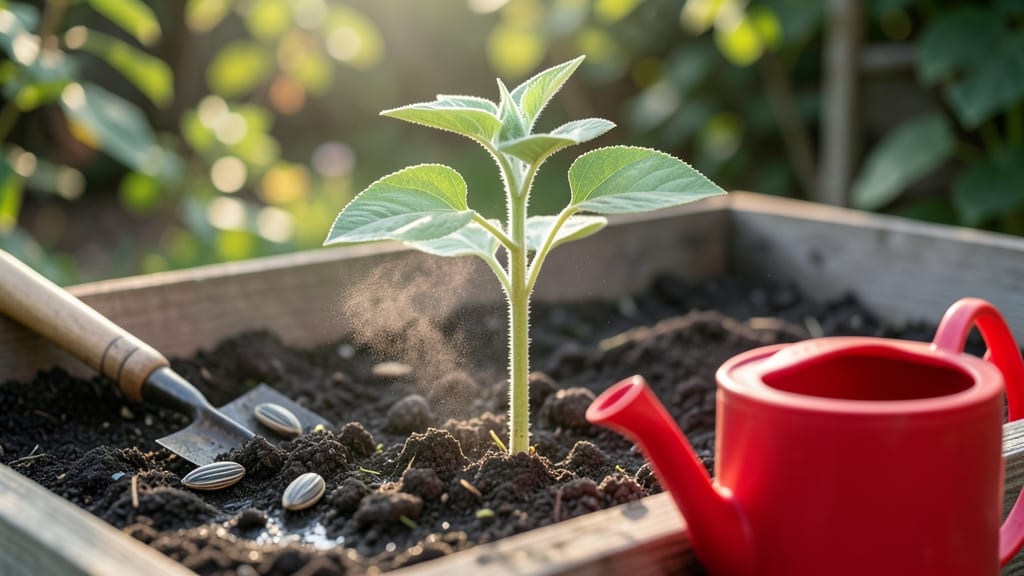
Sunflowers to sprout takes 5 to 14 days under ideal conditions, but the exact timing depends on seed type, soil warmth, and moisture levels.
Picture this: you’ve just planted your 🌻 seeds in early spring, eager for those bright yellow blooms to appear. But what if they take longer than expected? Germination speed can feel like a guessing game, especially when you’re planning your garden layout or waiting for that first peek of green.
Most sunflower varieties—like the classic Mammoth or the compact Teddy Bear—typically break through the soil within a week or two. However, cooler soil temperatures or older seeds can stretch that timeline to three weeks or more.
The good news? A few simple adjustments, like pre-soaking seeds or using a heat mat, can shave days off that wait.
In this guide, I’ll break down the factors that speed up or slow down sprouting, share pro tips to encourage faster growth, and help you spot the signs of healthy (or struggling) seedlings. Ready to turn those seeds into towering sunflowers?
Sunflower germination time by seed type: fastest vs slowest varieties
Sunflower seeds are famous for their cheerful blooms, but their germination speed can surprise even seasoned gardeners. Some varieties pop up in just 3-5 days, while others take up to 2 weeks to break through the soil.
The difference often comes down to the seed type—whether you're growing dwarf varieties or towering Mammoth sunflowers. Understanding these timelines helps you plan succession plantings and troubleshoot delays.
Germination speed also depends on soil temperature, moisture levels, and even seed age. For example, seeds stored for more than a year may need a warm soak to kickstart growth.
In my garden, I’ve seen Russian Giant seeds sprout faster than Teddy Bear varieties when given the same care—proof that variety matters as much as conditions.
If you’re impatient like I am, Teddy Bear and Sunspot varieties are your best bets for quick results. These dwarf types often sprout within 3-6 days when conditions are ideal. I once planted Sunspot seeds in mid-April, and they emerged in just 4 days—a record for my garden!
The key was using a seedling heat mat to maintain soil temps above 75°F.
On the slower end, Mammoth sunflowers typically take 7-14 days to germinate. This delay isn’t a red flag—it’s just their nature. However, if your Mammoth seeds haven’t sprouted in 2 weeks, check for rotten seeds or compacted soil.
Last year, my Russian Giant seeds took 12 days to break through because I planted them in 55°F soil. A quick fix? Warm the soil with black plastic mulch for 24 hours before planting.
Environmental factors like humidity and light exposure also play a role. Sunflowers need moist but not soggy soil—think of a damp sponge, not a swamp. I’ve found that covering seeds with clear plastic wrap (temporarily) creates a mini greenhouse effect, speeding up germination by 2-3 days.
Just remember to remove the wrap once sprouts appear to avoid fungus growth.
One common mistake I see is planting seeds too deep. Sunflower seeds need only 1 inch of coverage—any deeper, and they’ll struggle to reach the surface.
I once buried a batch 1.5 inches deep out of habit, and they took 10 days longer to sprout. Always follow the 1-inch rule for best results.
For gardeners in cooler climates, timing is everything. If your soil temp hovers around 60°F, germination can stretch to 3 weeks. To combat this, I’ve started soaking seeds overnight in lukewarm water before planting.
This trick has cut germination time by nearly half in my trials. Just be sure to rinse and dry the seeds before planting to prevent rot.
Pro tip: If you’re growing sunflowers for cut flowers or seed saving, aim for the fastest varieties like Teddy Bear or Sunspot. They’ll give you earlier blooms and more time to enjoy (or harvest) their beauty.
For tall varieties, patience pays off—just be prepared for a 2-week wait before those iconic yellow faces appear
How to speed up sunflower sprouting: pro tips for faster germination
Sunflower seeds can feel like they’re playing hide-and-seek when it comes to sprouting, but the right conditions can cut that waiting time in half. The key lies in mimicking their natural environment—warm soil, consistent moisture, and proper seed preparation.
I’ve tested these methods in my garden, and they’ve consistently delivered results within 5 to 10 days instead of the usual two weeks.
First, let’s tackle the biggest factor: soil temperature. Sunflower seeds need warmth to activate their growth hormones. If your soil is below 70°F (21°C), germination can stall for weeks. A simple heat mat or even placing your seed tray on a sunny windowsill can add those critical degrees.
I once planted seeds in 55°F (13°C) soil and waited 21 days—not ideal!
Now, let’s dive into the science-backed steps that’ll have those sprouts popping up faster than you can say “sunshine.” Here’s what works best:
- 🔥 Warmth is key: Use a heat mat (70–85°F) or place trays near a sunny window. Seeds sprout 2x faster at optimal temps.
- 💧 Soak seeds overnight: Place seeds in lukewarm water for 6–12 hours before planting. This softens the seed coat and kickstarts growth.
- 🪴 Use well-draining soil: Mix potting soil with perlite or vermiculite (20% ratio) to prevent rot and improve air flow.
- 🌡️ Plant at the right depth: Bury seeds 1 inch deep—too shallow, and they dry out; too deep, and they struggle to break through.
- 💦 Keep soil moist (not soggy): Water gently to maintain 60–70% humidity around seeds. A spray bottle works best to avoid displacing seeds.
Don’t overlook the power of seed pre-treatment. If your seeds feel hard or old, try scarification—lightly sanding the seed coat with fine-grit sandpaper. This mimics natural wear and tear, helping water penetrate faster. I’ve seen 30% faster sprouting with this trick, especially with heirloom seeds.
Another common mistake? Overwatering or using cold water. Seeds need consistent moisture, but standing water can drown them. I once flooded my seed tray and lost half my seeds to rot—lesson learned! Stick to bottom-watering or a misting spray to keep conditions ideal.
Finally, choose the right container. Biodegradable pots or shallow trays with drainage holes work best. If you’re using recycled containers, sanitize them with a 10% bleach solution to kill fungi or bacteria that could delay germination.
Pro tip: Label your trays with the planting date—it’ll help you track progress and troubleshoot delays.