
How To
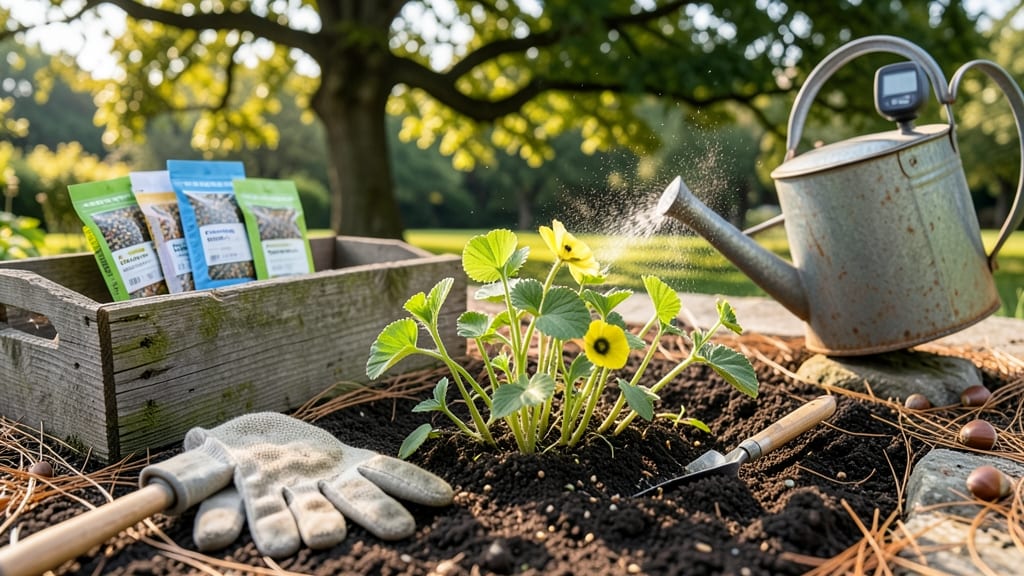
Wildflower seeds germinate in anywhere from 5 days to 6 weeks—depending on the species, soil warmth, and moisture levels.
You’ve scattered your seeds, watered them carefully, and now you’re staring at the dirt, wondering if they’ll ever break through. The truth? Some wildflowers, like cosmos, pop up in under a week, while others, like milkweed, take their sweet time.
Knowing these timelines helps you avoid replanting too soon or giving up too early.
Germination speed isn’t just about patience—it’s about setting the stage right. Warm soil, consistent moisture, and the right light can shave days (or even weeks) off the wait. Below, I’ll break down the exact germination windows for popular wildflowers and share the simple tricks to coax them along faster.
Whether you’re planning a spring meadow or a fall garden, understanding these timelines ensures you’ll have vibrant blooms when you need them—without the guesswork.

Wildflower seed germination times: exact days by fastest vs slowest species
If you've ever waited impatiently for wildflower seeds to sprout, you're not alone! Some seeds pop up in just days, while others take weeks or even months to break through the soil.
The difference often comes down to whether they're annuals (fast growers) or perennials (slower starters). Understanding these timelines helps you set realistic expectations and adjust your garden care routine accordingly.
Fast-growing annuals like cosmos and zinnia can sprout in as little as 5-10 days, while hardier perennials such as black-eyed susan or milkweed may take 3-6 weeks to emerge. Soil temperature, moisture, and even seed coat thickness play major roles in these variations.
Let's break down the exact germination windows for popular wildflowers so you can plan your garden's timeline with confidence.
| Wildflower Type | Germination Time | Best Planting Time | Key Germination Tip |
|---|---|---|---|
| Cosmos (Annual) | 5–10 days | Spring or Fall | Scatter seeds on bare soil; no covering needed |
| Zinnia (Annual) | 7–14 days | After last frost | Keep soil consistently moist until sprouts appear |
| Sunflower (Annual) | 7–21 days | Spring (warm soil) | Plant 1 inch deep for faster emergence |
| Milkweed (Perennial) | 14–21 days | Late Spring | Stratify seeds (cold treatment) for 2–4 weeks first |
| Black-Eyed Susan (Perennial) | 21–30 days | Fall or Early Spring | Lightly cover seeds (¼ inch max) for best results |
| Coneflower (Perennial) | 21–45 days | Spring or Fall | Cold stratification helps break seed dormancy |
| Lupine (Perennial) | 30–60 days | Fall (best for natural stratification) | Seeds need scarification or cold treatment |
| Poppy (Annual) | 10–21 days | Early Spring or Fall | Do not cover seeds; needs light to germinate |
The fastest germinators—like cosmos and poppies—often have thin seed coats that don’t require much energy to break through. These annuals evolved to spread quickly in short-lived environments, which is why they pop up so fast.
In contrast, perennials like milkweed or lupine invest energy in deep root systems first, delaying their above-ground growth until they’re established.
Soil temperature is another critical factor. Most wildflower seeds germinate best when soil reaches 60–75°F. If you're planting in cooler climates, consider using black plastic mulch or a cold frame to warm the soil and speed up germination.
For slower seeds like lupine, a 4-week cold stratification (mimicking winter) can trick them into thinking conditions are right to sprout.
Light exposure also matters—many wildflower seeds need direct sunlight to germinate. Unlike vegetables, which often do well in darker, cooler soil, wildflowers typically prefer bare, sunny conditions. If you're sowing in shaded areas, expect germination to take 2–3 times longer than in full sun.
For example, zinnia seeds might take 7 days in sun but 21 days in partial shade.
Moisture consistency is the final piece of the puzzle. While some seeds like cosmos can handle brief dry spells, most wildflowers need consistent moisture during germination. A daily misting or light watering (about ¼ inch per week) keeps seeds from drying out without causing rot.
Once sprouts appear, you can reduce watering to once weekly, as young seedlings are surprisingly drought-tolerant.
If your seeds haven’t sprouted within twice the expected time, don’t panic—it might just need a little more patience or adjusted conditions. For instance, black-eyed susan seeds sometimes take up to 60 days if soil temperatures stay below 60°F.
In these cases, a light scarification (nick the seed coat with sandpaper) or soaking overnight can
How to speed up wildflower seed germination naturally (without chemicals)
If you're eager to see those wildflower seeds sprout faster, you're not alone! Many gardeners rush to check their seed trays daily, wondering why some seeds take weeks to break through the soil.
The good news? With a few natural techniques, you can cut germination time by 30-50%—no chemicals required. The secret lies in mimicking the ideal conditions these seeds evolved to thrive in.
Most wildflower seeds germinate best when they receive consistent moisture, proper light exposure, and the right soil temperature. For example, cosmos seeds may sprout in just 5-10 days under perfect conditions, while coneflowers might need 2-3 weeks.
By tweaking these factors, you can help your seeds wake up from dormancy and start growing faster than ever.
- Loosen the Top Inch of Soil Wildflower seeds often need light to germinate. Break up compacted soil with a rake or fork to create a loose, airy surface.
- Daily Misting (Not Deep Watering) Keep soil consistently moist by misting lightly twice daily. Avoid flooding, which can drown seeds.
- Place in Direct Sunlight Most wildflowers need 6+ hours of sun. Use a clear plastic dome or shade cloth to protect seeds from harsh midday rays.
- Stratify Slow-Germinating Seeds For perennials like black-eyed susans, mix seeds with damp sand and refrigerate for 2-4 weeks before planting.
- Use Warm Water Soak (Optional) Soak seeds in warm water for 24 hours to soften hard seed coats (great for lupines or poppies).
One of the biggest mistakes gardeners make is overwatering or burying seeds too deeply. Wildflowers often need just a light press into the soil—no more than 1/4 inch deep.
If you’re planting in late summer or fall, consider a light mulch layer (like straw) to protect seeds from temperature swings while keeping moisture locked in.
For slow-germinating perennials like coneflowers or milkweed, stratification is your best friend. This mimics winter conditions by exposing seeds to cold, moist periods. Simply place seeds in a sealed bag with damp sand and refrigerate for 2-4 weeks before planting. This trick can shave off weeks of waiting time!
Once your seeds start sprouting, thin them to 6-12 inches apart (depending on the variety) to prevent overcrowding. Keep the soil moist but not soggy, and watch as your wildflowers transform from tiny sprouts into vibrant blooms in just a few weeks.
With these natural methods, you’ll see faster germination without risking your plants’ health. The key is patience—even with the best techniques, some seeds take their time. But when you see those first green shoots push through the soil, it’s worth every minute of waiting! 🌱