
Blooming
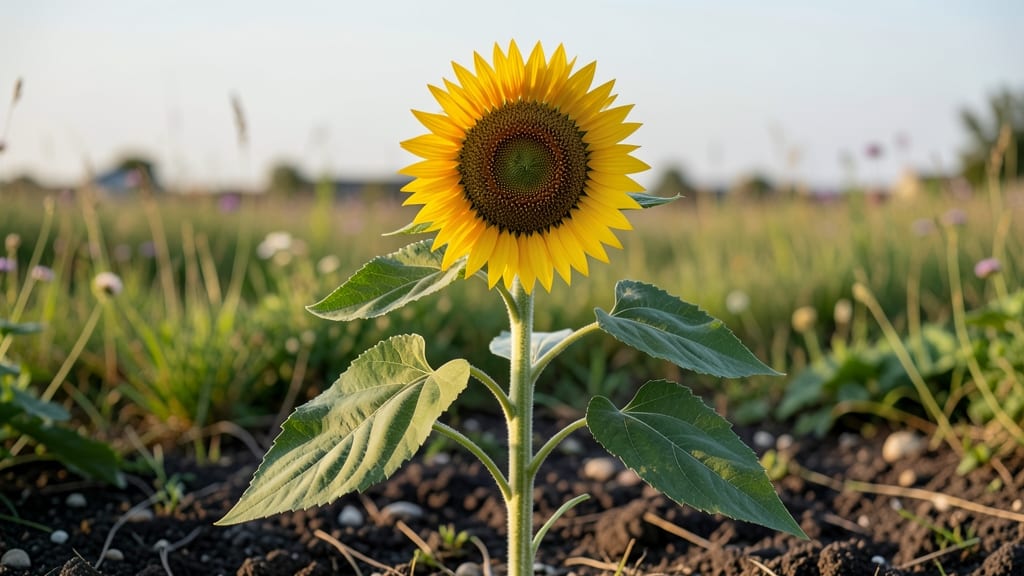
Sunflowers bloom in 50 to 120 days depending on the variety, but most gardeners expect their cheerful 🌻 faces in 60 days when planted at the right time.
Ever planted a sunflower seed and waited weeks, only to see it take forever to flower? That’s because some types—like the towering Russian Giant—can stretch your patience to 100+ days, while dwarf varieties like Sunspot might surprise you with blooms in just 50 days.
Here’s the secret: timing, soil, and sunlight all play a role. A few simple adjustments can shave 20 days off your bloom wait, turning your garden into a summer sunflower showstopper.
Below, I break down the fastest varieties, the 5 key factors that speed up blooming, and the best planting windows for your zone to guarantee summer color.
Sunflower bloom times by variety: fastest to slowest flowering types
If you're dreaming of a summer garden bursting with golden sunflowers, timing is everything. Some varieties bloom in just 50 days, while others take 120 days or more to reach their full glory. The difference often comes down to whether you're growing dwarf sunflowers or towering giant varieties.
Let's break down the fastest bloomers to the slowest, so you can choose the perfect sunflowers for your timeline and space.
For gardeners eager for quick color, dwarf varieties like Sunspot and Teddy Bear are my top recommendations. These compact beauties typically bloom in 50-60 days, making them ideal for container gardens, small spaces, or even as cut flowers.
Meanwhile, the Russian Giant and Mammoth varieties take 100-120 days to reach their impressive heights of 12-16 feet. Understanding these timelines helps you plan for seasonal displays and even succession planting.
Here's the key insight: height and bloom time often correlate. Taller sunflowers invest more energy in growing stems and leaves before flowering, while shorter varieties prioritize blooming.
However, this isn't always the case—some dwarf varieties like Autumn Beauty take 80-90 days to bloom because they produce multiple flower heads over time. Let's explore the full spectrum of bloom times across popular varieties.
| Variety | Height Range | Days to Bloom | Best For | Special Notes |
|---|---|---|---|---|
| Sunspot | 2-3 ft | 50-55 days | Containers, cut flowers | Fastest bloomer, great for kids |
| Teddy Bear | 3-4 ft | 55-60 days | Cut flowers, pollinators | Double blooms, long vase life |
| Moulin Rouge | 4-5 ft | 60-65 days | Colorful displays | Bicolor petals, great for borders |
| Autumn Beauty | 5-6 ft | 80-90 days | Extended blooms | Multi-bloom stems, late season |
| Russian Giant | 12-16 ft | 100-120 days | Statement plants | Tallest variety, needs staking |
| Mammoth | 10-14 ft | 90-110 days | Giant blooms | Classic giant, needs space |
| ProCut | 5-7 ft | 60-70 days | Cut flowers | Long stems, great for bouquets |
When selecting sunflowers for your garden, consider both bloom time and mature height. For example, if you're planting in late May and want summer blooms, the Sunspot or Teddy Bear varieties will reward you fastest.
But if you're planting in early spring for a dramatic late-summer display, the Russian Giant or Mammoth varieties create stunning focal points. My pro tip: plant a mix of fast and slow bloomers for continuous color throughout the season.
Growing conditions also play a crucial role in bloom timing. Sunflowers planted in warmer climates or with longer daylight hours often bloom faster than those in cooler regions.
For instance, in USDA Zone 9, sunflowers might bloom 10-15 days earlier than in Zone 5. To maximize your bloom time, choose varieties that match
5 Key factors that speed up (or delay) sunflower blooming
Sunflowers bloom in 50 to 120 days, but most gardeners can shave 20-30 days off that timeline with the right conditions. The secret lies in five critical factors: sunlight exposure, soil temperature, watering habits, fertilizer choices, and planting depth.
Each plays a role in whether your sunflowers will burst into bloom in 60 days or drag out past 90 days.
Let’s break down how each factor influences bloom time—and what you can do to accelerate those cheerful 🌻 faces. The right adjustments can turn your garden into a summer sunflower spectacle faster than you’d expect!
For example, if you plant Sunspot dwarf sunflowers in full sun, water consistently, and use a light fertilizer, you could see blooms in just 50 days. But skip the sunlight or over-fertilize with nitrogen, and you might wait 70+ days for those 🌻 faces to appear.
Pro tip: Combine these factors for maximum speed. Plant in well-draining soil, give them morning sunlight, and fertilize lightly when they’re 6 inches tall. Your sunflowers will thank you with faster, brighter blooms!
Need a quick fix? Focus on sunlight and soil temperature first—these two factors alone can cut bloom time by 25 days or more. Happy gardening!