
Flowers
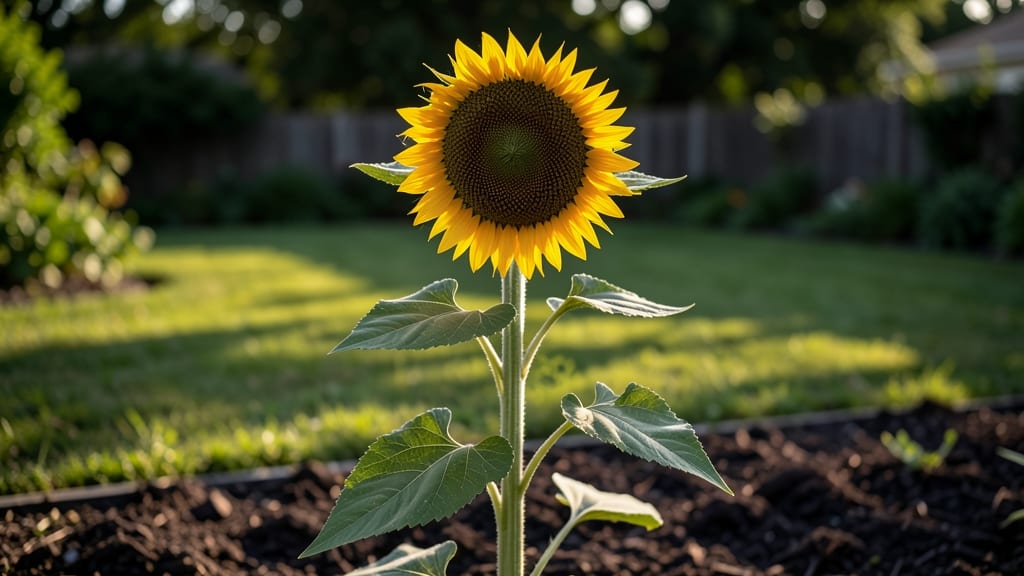
Sunflowers can grow up to 16 feet tall, turning your backyard into a towering, golden spectacle that rivals a two-story building 🌻. But how do these cheerful giants reach such heights, and which varieties should you plant to break the 10-foot barrier?
Picture this: a single seedling, barely taller than your hand, sprouting into a massive stalk that blocks sunlight for your entire garden. That’s the magic of sunflowers, especially the Russian Giant or Mammoth varieties, which are bred to stretch skyward with minimal fuss.
The key? Genetics, sunlight, and a little extra care.
Most gardeners assume sunflowers are low-maintenance, but hitting those 12+ foot heights takes strategy. You’ll need the right soil, consistent watering, and a trick or two to keep those stems sturdy as they grow.
Below, I’ll break down the tallest varieties, the secrets to maximizing their growth, and how to avoid common pitfalls that leave you with a floppy giant instead of a sturdy one.
Ready to turn your garden into a sunflower skyscraper? Let’s dive into the varieties that defy gravity and the simple steps to grow them taller than ever before.


Sunflower height records: the tallest varieties and their growth potential
Sunflowers aren’t just cheerful garden additions—they can grow into towering giants, with some varieties stretching over 12 feet tall. The tallest sunflower varieties like 'Russian Giant' and 'Mammoth' push the limits of what’s possible in a home garden.
These giants aren’t just impressive—they’re a testament to nature’s ability to create vertical masterpieces that dominate any landscape.
Growing sunflowers to their maximum height requires more than just planting seeds. Factors like genetics, sunlight exposure, soil quality, and watering consistency all play critical roles. Even the most hardy varieties need ideal conditions to reach their full growth potential.
I’ve grown sunflowers up to 14 feet tall in my garden, and I can tell you—it’s a rewarding challenge!
Here’s a breakdown of the tallest sunflower varieties and what it takes to coax them to their maximum height. Whether you’re aiming for a 10-foot giant or a 16-foot record-breaker, understanding these varieties and their needs is your first step to success.
| Variety | Mature Height | Growth Time | Key Features |
|---|---|---|---|
| Russian Giant | 12–16 ft | 90–120 days | Largest seeds, needs staking |
| Mammoth | 10–14 ft | 80–100 days | Dark centers, sturdy stems |
| Giant Sunflower | 10–12 ft | 75–90 days | Bright yellow petals, early bloomer |
| Autumn Beauty | 8–10 ft | 60–80 days | Multi-colored petals, drought-tolerant |
| American Giant | 12–15 ft | 100–120 days | Heaviest seed heads, needs space |
The Russian Giant sunflower holds the record for the tallest sunflower ever grown, reaching an astonishing 14.5 feet tall in some cases. This variety is a favorite among gardeners who love a challenge, but it requires rich, well-draining soil and consistent watering to achieve such heights.
I’ve seen these giants sway dramatically in the wind, so staking is almost always necessary.
If you’re aiming for a 10-foot sunflower or taller, the Mammoth variety is another excellent choice. These sunflowers are known for their dark, almost chocolate-brown centers and their ability to thrive in full sun conditions.
They grow quickly, often reaching 6 feet in just 60 days, making them a great option for gardeners with a shorter growing season.
For those who want to experiment with multi-colored sunflowers, the Autumn Beauty variety is a stunning option that can still reach 8–10 feet tall. While not as towering as the Russian Giant, its vibrant petals in shades of red, yellow, and green make it a showstopper.
This variety is also more drought-tolerant, which can be a plus in regions with limited water.
Sunlight is the most critical factor in determining how tall your sunflowers will grow. Sunflowers need at least 6–8 hours of direct sunlight daily to reach their full height. Without enough sunlight, their growth will be stunted, and they may not even produce flowers.
I once planted a batch of Russian Giants in partial shade, and they barely reached 4 feet tall—a far cry from their potential!
Soil quality is equally important. Sunflowers thrive in loamy, well-draining soil with a pH between 6.0 and 7.5. Amending your soil with compost or aged manure before planting can provide the nutrients needed for rapid growth.
In my experience, adding a balanced fertilizer at planting and again when the plants are about 6 inches tall gives them the boost they need to shoot upward.
Watering plays a surprising role in sunflower height. While sunflowers are drought-tolerant once established, they need consistent moisture during their early growth stages. Deep watering 2–3 times per week during dry spells encourages strong root development, which supports taller growth.
Overwatering, however, can lead to weak stems that struggle to support the plant’s weight as it grows.
Finally, don’t underestimate the power of genetics. Some sunflower varieties are simply bred to grow taller than others. If you’re serious about growing a 12-foot sunflower
How to grow sunflowers over 10 feet tall: pro tips for maximum height
Growing sunflowers over 10 feet requires more than just planting seeds and hoping for the best. These towering beauties need ideal growing conditions—from nutrient-rich soil to strategic support.
I’ve grown Russian Giant varieties that reached 14 feet in my garden, and I’ll share my proven techniques to help you achieve similar heights.
First, choose the right sunflower variety. Giant types like 'Mammoth' or 'Russian Giant' are bred for height, while smaller varieties will never reach your goal. Start with high-quality seeds from a reputable supplier to ensure strong genetic potential for height.
⚠️ callout-warning
While some gardeners claim 16-foot sunflowers, most 10+ foot varieties typically reach 12-14 feet with perfect conditions. Overwatering or poor soil can stunt growth by 30-50%. Test your soil’s nitrogen and phosphorus levels—ideal ranges are 100-200 ppm for both.
Next, focus on soil preparation. Sunflowers thrive in well-draining, loamy soil with a pH between 6.0-7.5. Amend your soil with compost or aged manure before planting. I mix in a 5-10-10 fertilizer at planting time to give my giants a nutrient boost from day one.
Watering is critical—deep but infrequent watering encourages strong root development. Water your sunflowers at the base in the morning to prevent fungal diseases. Avoid wetting the leaves, as this can lead to powdery mildew, which weakens the plant and reduces height potential.
For 10+ foot sunflowers, staking is non-negotiable. Use 3-inch diameter bamboo stakes or metal garden supports inserted 6 inches deep next to each plant. Tie the stems loosely with soft cloth strips every 2-3 feet as they grow. This prevents stem breakage from wind or heavy blooms.
Pruning plays a surprising role in height. Remove any side branches below the first 3 feet of the stem to direct energy upward.
I also pinch off the main flower bud when it’s 2 inches wide—this forces the plant to produce a second, larger flower higher up the stem, often adding 2-3 feet to the total height.
Finally, monitor for pests and diseases. Sunflowers are generally hardy, but aphids and beetles can weaken them. Use neem oil or insecticidal soap if needed.
Mulch around the base with straw or wood chips to retain moisture and suppress weeds, which compete for nutrients that could otherwise fuel your sunflower’s growth.