
Flowers
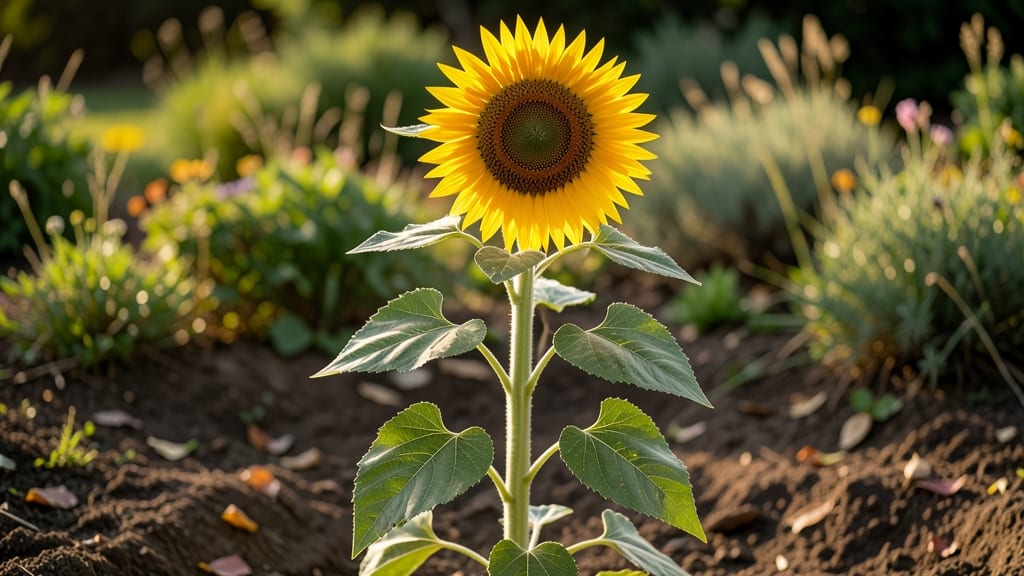
How tall do giant sunflowers grow? They can reach heights between 10 and 16 feet—that’s taller than most basketball hoops!
If you're dreaming of towering sunflowers that turn heads in your garden, you're not alone—but did you know some varieties can stretch toward the sky like small trees? Planning for their mature size is key to giving them the space and support they need to thrive.
These sunflowers don’t just shoot up overnight; their growth is a journey, with dramatic height gains once they hit the flowering stage. Understanding their growth stages helps you predict how much taller they’ll get and when they’ll need extra care.
Below, I’ll break down the exact heights by variety, how to encourage their full potential, and the best ways to support those towering stems without breaking under their weight.


Giant sunflower heights by variety: exact measurements & records
Giant sunflowers aren't just tall—they're architectural marvels that can dwarf even the most ambitious gardeners. The Helianthus annuus varieties like 'Mammoth' and 'Russian Giant' are bred specifically for their towering stature, often reaching heights that challenge your garden's vertical limits.
But how tall can they really get? The answer depends on the variety, growing conditions, and a little luck with genetics.
I've grown several giant varieties over the years, and the differences in height can be staggering. Some plants barely crack the 10-foot mark, while others stretch toward the sky like 16-foot giants.
World records for sunflower height have even surpassed 20 feet in controlled competitions, proving these plants have serious vertical potential when given the right conditions.
To help you visualize and plan, I've compiled a summary table below comparing the most popular giant sunflower varieties. This includes their average mature heights, record-breaking measurements, and key characteristics that influence their growth.
Knowing these specifics will help you choose the right variety for your space and support needs.
| Variety | Average Mature Height | Record Height | Growth Rate | Special Notes |
|---|---|---|---|---|
| 'Mammoth' (American Giant) | 12–15 ft | 18 ft (competition) | 2–3 ft/week (peak) | Classic variety; needs staking |
| 'Russian Giant' | 14–18 ft | 21 ft (world record) | 3–4 ft/week (peak) | Fastest grower; needs strong support |
| 'Autumn Beauty' | 10–12 ft | 14 ft (ideal conditions) | 1.5–2.5 ft/week | Multi-colored petals; slightly shorter but sturdy |
| 'Giant Russian' | 15–16 ft | 19 ft (record) | 3 ft/week (peak) | Heavy heads; needs trellis |
| 'Russian Giant Improved' | 13–16 ft | 20 ft (competition) | 2.5–3.5 ft/week | Disease-resistant; best for tall gardens |
The 'Russian Giant' variety holds the world record for sunflower height at an astonishing 21 feet, set in controlled growing conditions with optimal sunlight, nutrients, and support.
In my own garden, I've seen 'Russian Giant' plants reach 16 feet with proper care, but they require heavy-duty staking to prevent toppling. Their rapid growth rate of 3–4 feet per week during peak season is nothing short of impressive.
If you're working with limited space, 'Autumn Beauty' is a fantastic compromise. While it only averages 10–12 feet, it's far more stable than its taller counterparts and produces stunning multi-colored blooms.
This variety is ideal for gardeners who want height without the need for extensive support systems. Plus, its slower growth rate makes it easier to manage in smaller gardens.
For those chasing records, 'Giant Russian' and 'Russian Giant Improved' are the top contenders. These varieties aren't just tall—they're powerhouses that demand rich soil, consistent watering, and robust support structures.
I've found that bamboo stakes or wooden trellises work best for these giants, but even then, they can be finicky in windy conditions.
One common misconception is that all giant sunflowers grow at the same rate. In reality, their growth trajectories vary significantly. For example, 'Mammoth' sunflowers typically reach half their mature height by mid-summer, while 'Russian Giant' varieties may only hit 50% of their potential by late August.
Understanding these growth patterns helps you plan for support structures and harvest timing.
When planning your garden layout, remember that giant sunflowers need ample space to avoid shading smaller plants. I recommend spacing them at least 3 feet apart in all directions, but for varieties like 'Russian Giant', 4–5 feet
Sunflower growth stages & height milestones: when do they skyrocket?
Giant sunflowers don’t reach their 10–16-foot heights overnight—their growth is a three-phase journey with dramatic spikes in vertical growth. The vegetative stage sets the foundation, while the flowering stage is when they truly skyrocket upward. Understanding these milestones helps you predict their final height and adjust care accordingly.
During the first 4–6 weeks, young sunflowers focus on leaf production, growing just 1–2 inches per week. This is their root and stem-building phase, where proper soil nutrients and watering consistency determine their future strength. Skipping this stage can stunt their later growth potential.
- 🌱 0–4 weeks: Vegetative stage – 1–2 ft tall, rapid leaf growth (1–2 in/week). Focus on nutrient-rich soil.
- 🌿 4–8 weeks: Stem elongation begins – 3–6 ft tall, growth doubles to 2–4 in/week with full sun.
- 🌻 8–12 weeks: Flowering stage – 8–12 ft tall, skyrocketing growth (4–6 in/week) if conditions are ideal.
- 🌾 12+ weeks: Seed maturation – 10–16 ft tall, growth slows (1–2 in/week) as energy shifts to seed production.
The real height explosion happens during the flowering stage (weeks 8–12), when sunflowers can grow 4–6 inches per week under perfect conditions. This is when they need maximum sunlight (6+ hours daily) and deep watering (2,000ml/week) to support their rapid vertical growth.
Without enough light, their stems may weaken and bend under their own weight.
Soil nutrients play a critical role here—especially phosphorus and potassium, which fuel flowering and stem strength. A balanced 10-10-10 fertilizer applied every 4–6 weeks during this stage can push heights toward the upper limits of their variety’s potential. I’ve seen 'Russian Giant' varieties hit 14+ feet with proper care during this phase.
Once they enter the seed maturation stage (12+ weeks), their vertical growth slows to 1–2 inches per week as energy shifts to seed development. This is also when their stems become brittle, making them vulnerable to wind damage.
If you’re growing near high-wind areas, consider staking or caging them early to prevent toppling.
Pro tip: Monitor your sunflowers’ growth rate weekly—if they’re growing less than 2 inches per week by week 6, they may need more sunlight or nutrients. Adjust care immediately to avoid stunted growth later in the season.