
Flowers
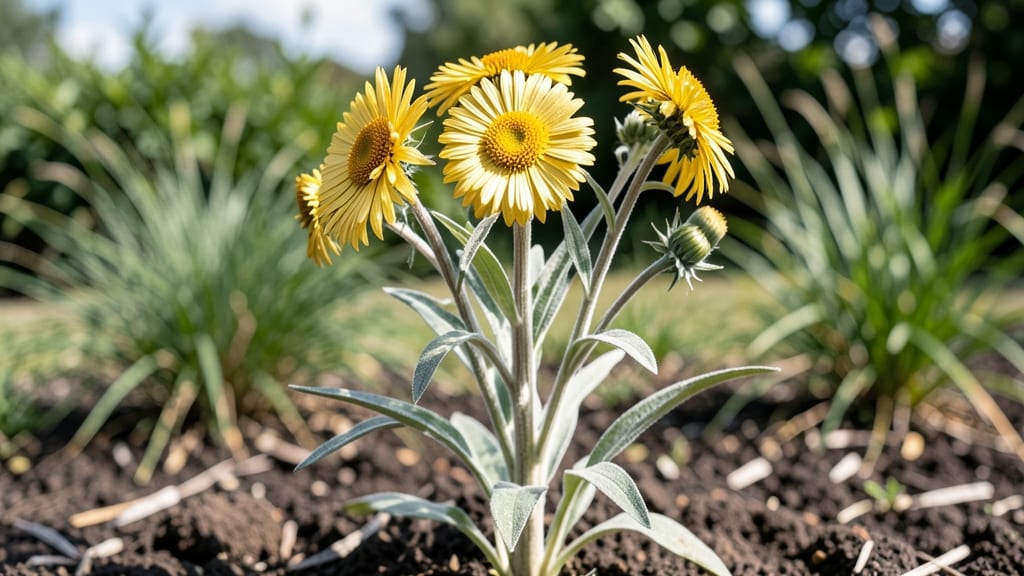
Strawflowers can grow anywhere from 8 inches to over 3 feet, depending on the variety and growing conditions 🌼—a range that makes them perfect for everything from small containers to tall garden borders.
Picture this: a delicate 'Mauve Queen' barely brushing your knee, while a 'Golden Delicious' towers over your head like a sunlit spike. That’s the beauty of strawflowers—they adapt to your space, not the other way around.
If you’re planning your garden layout or dreaming of long-lasting bouquets, knowing these height differences is key. Some varieties stay compact, ideal for window boxes, while others reach 36 inches or more, perfect for cutting gardens.
Below, I’ll break down the exact heights of popular types, how to control their growth naturally, and the best spacing for full, bushy blooms all season long.


Strawflower height guide by variety: compact to towering types
Strawflowers (Helichrysum bracteatum) are one of the most versatile flowers for gardeners, thanks to their long vase life and drought tolerance. But their height can range from compact 12-inch varieties to towering 36-inch giants.
Choosing the right type for your space—whether a window box, border garden, or cut-flower arrangement—depends on knowing their mature size.
Here’s the breakdown of 12+ strawflower varieties, from dwarf types perfect for containers to tall heirlooms that make bold statements. I’ll also share their ideal uses and growth habits so you can pick the perfect fit for your garden.
Pro Tip: Most strawflowers are annuals in cooler climates (USDA Zones 6-9) but can be perennialized in warmer zones with minimal winter care. Their height is determined at maturity, so spacing is key—12–24 inches apart ensures airflow and prevents disease.
| Variety | Height Range | Color Palette | Best For | Notes |
|---|---|---|---|---|
| 'Dwarf Delight' | 12–18" | Pink, White, Lavender | Containers, Window Boxes | Compact, bushy growth; ideal for patio gardens. |
| 'Mauve Queen' | 18–24" | Mauve, Cream | Cut Flowers, Bouquets | Classic heirloom with long stems (20+"). |
| 'Golden Delight' | 20–26" | Golden Yellow | Dried Florals, Wreaths | Dries beautifully; sun-loving and heat-tolerant. |
| 'Moonshine' | 24–30" | Cream, Soft Pink | Border Gardens, Cutting | Modern hybrid with long-lasting blooms. |
| 'Olympia' | 30–36" | Deep Red, Burgundy | Back of Borders, Cut Flowers | Tallest heirloom variety; needs staking. |
| 'Peppermint' | 15–20" | Mint Green, White | Containers, Pollinator Gardens | Unique foliage color; attracts bees. |
| 'Ruby Wedding' | 22–28" | Ruby Red, White | Weddings, Event Florals | Bicolor blooms; heat-resistant. |
| 'Snow Princess' | 18–24" | Pure White | Bridal Arrangements, Dried Bouquets | Long-lasting white variety; drought-proof. |
| 'Lavender Lady' |
How to control strawflower height naturally: pruning, pinching, and spacing tipsWant to keep your strawflowers at a manageable height without harsh chemicals? You’re in luck—these plants respond beautifully to simple pruning and pinching techniques 🌿. Whether you’re growing tall varieties for bouquets or compact types for containers, these methods give you full control over their growth habits. The key lies in understanding when and how to intervene. Strawflowers grow taller with less interference and bushier with regular pinching. For example, a 'Golden Delicious' left unchecked might shoot up to 36 inches, while the same plant pinched early will stay around 24 inches with twice as many blooms. 1
Pinch young shoots when they reach 6 inches tall. Use clean pruning shears or fingers to pinch just above a set of leaves. This encourages lateral branching and prevents leggy growth.
2
Space plants 12–24 inches apart at planting. Taller varieties need 24 inches of space, while dwarf types thrive at 12 inches. Proper spacing reduces competition for nutrients and sunlight, promoting balanced growth.
3
Prune spent blooms regularly to redirect energy to new growth. Cut stems back to just above a leaf node to stimulate more flowers and prevent the plant from becoming woody and leggy.
4
Deadhead aggressively in late summer to encourage a second flush of blooms. Removing faded flowers prevents the plant from self-seeding excessively and keeps energy focused on new growth instead of seed production.
5
Fertilize lightly in early spring with a balanced 5-10-10 fertilizer. Over-fertilizing leads to rapid, weak growth that flops over. Aim for 1 tablespoon per plant to support compact, sturdy stems.
Timing is everything when it comes to pruning. For maximum blooms, pinch back in early spring and again in mid-summer after the first flush of flowers. This two-step approach ensures your strawflowers stay bushy and prolific rather than tall and sparse. If you’re growing strawflowers for cut flowers, let them grow taller by avoiding early pinching. Instead, focus on supporting stems with small stakes or trellis to prevent flopping. For container gardening, choose dwarf varieties and pinch regularly to keep them under 18 inches. Remember, strawflowers are drought-tolerant once established, so water deeply but infrequently. Overwatering can lead to weak stems that struggle to support their own height. A well-draining soil mix with compost is all you need to encourage strong, healthy growth. With these simple techniques, you’ll have perfectly sized strawflowers—whether you want them as tall garden accents or compact container stars 🌼. Happy pruning! |