
Flowers
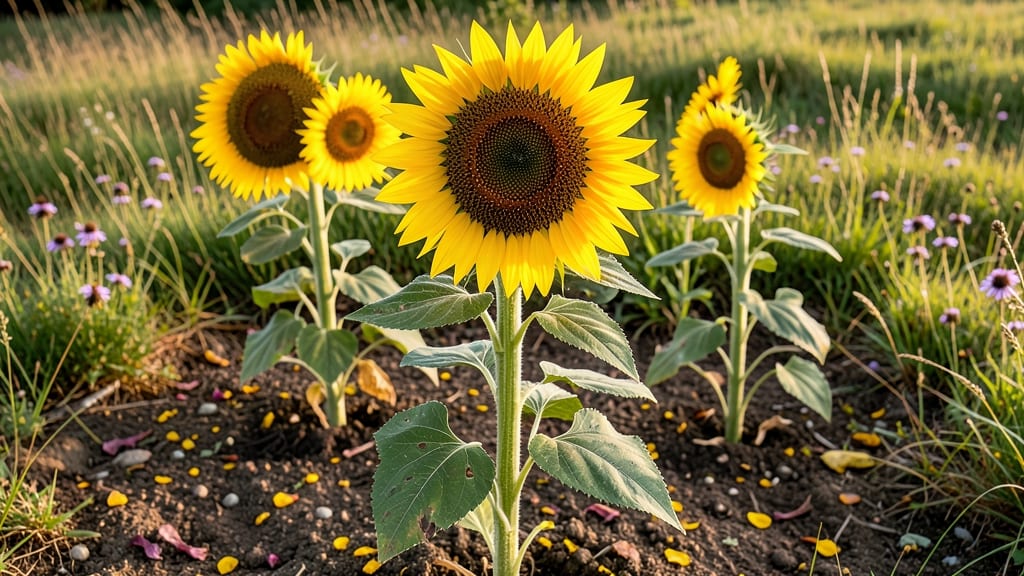
Sunflowers can grow anywhere from 1 foot to towering 16 feet tall, depending on the variety you choose—so picking the right one makes all the difference in your garden design.
Imagine this: you plant a cheerful 🌻 in early spring, only to realize by summer that it’s shooting up faster than your fence or trellis can handle. Or worse, it’s barely knee-high when your neighbors’ sunflowers are blocking the sunset.
The height of your sunflowers isn’t just about aesthetics—it’s about space planning, support needs, and even whether your power lines become an issue.
Dwarf varieties like 'Teddy Bear' stay manageable at 3–5 feet, perfect for containers or small gardens, while giants like 'Mammoth' or 'Russian Giant' can reach 10–16 feet, turning your yard into a vertical sunflower forest.
But here’s the catch: sunlight, soil richness, and even watering habits can push a medium-height plant into giant territory—or stunt a tall variety into a compact one.
In this guide, you’ll discover how to match sunflower heights to your space, when to stake them (and when not to), and the 5 key factors that determine whether your sunflowers will stay small or shoot for the sky.


Sunflower height by variety: from dwarf to giant species
Sunflowers come in a stunning range of heights, from compact dwarf varieties perfect for containers to towering giant species that rival small trees. Understanding these differences helps you choose the right variety for your space, whether you're creating a whimsical cottage garden or a dramatic backyard focal point.
The height of your sunflowers isn't just about aesthetics—it also affects how you'll support them, space them in your garden, and even where you plant them.
Most sunflower varieties fall into three broad categories: dwarf (1-3 ft), medium (3-8 ft), and giant (8-16+ ft). The key to getting the height you expect lies in selecting the right cultivar and providing optimal growing conditions.
For example, a 'Teddy Bear' sunflower might stay around 3-5 feet tall, while a 'Russian Giant' can soar to 12-16 feet—that's taller than most garage doors!
Your location, soil quality, and care routine can also push a plant a foot or two taller (or shorter) than its listed range.
Why height matters: Tall varieties need staking to prevent toppling in wind or rain, while dwarf types work beautifully in window boxes or hanging baskets. Medium-height sunflowers strike the perfect balance for cut flower arrangements and border plantings. Let’s explore the most popular varieties and their typical mature heights so you can make the best choice for your garden layout.
🌻 Pro Tip: Always check the seed packet for height ranges—these are based on ideal growing conditions. Real-world heights can vary by 1-2 feet depending on your climate and care.
| Variety | Height Range | Best For | Notes |
|---|---|---|---|
| Dwarf Varieties | 1–3 ft | Containers, borders, pollinators | Compact, great for small spaces |
| 'Teddy Bear' | 3–5 ft | Cut flowers, children's gardens | Double blooms, child-friendly |
| 'Moulin Rouge' | 3–5 ft | Pollinator gardens, borders | Bicolor blooms, disease-resistant |
| Medium Varieties | 4–8 ft | Cut flowers, backyard focal points | Versatile for most gardens |
| 'Autumn Beauty' | 4–6 ft | Cut flowers, pollinators | Striped petals, long vase life |
| 'ProCut' | 5–7 ft | Floral arrangements, commercial growers | Strong stems, high oil content |
| Giant Varieties | 8–16+ ft | Dramatic displays, large gardens | Requires staking, spacious planting |
| 'Mammoth' | 10–14 ft | Backyard statements, events | Classic giant, needs support |
| 'Russian Giant' | 12–16 ft | Large-scale gardens, landmarks | Tallest common variety, bold presence |
| 'American Giant' | 10–12 ft | Traditional gardens, heirloom collections |
How sunflower height affects garden layout and support needsChoosing the right sunflower variety isn’t just about color—it’s about garden space and structural planning. A 10-foot 'Mammoth' needs completely different care than a 3-foot 'Teddy Bear'. Tall varieties can block sunlight for smaller plants, while dwarf types may need extra support to stand upright in windy areas. Your garden’s layout depends heavily on sunflower height expectations. For example, planting giant varieties near fences risks damaging your home’s exterior, while dwarf types in containers require sturdy pots to prevent tipping. Let’s break down how height impacts your design choices. Tall Sunflowers (10-16 ft) - Garden Layout Pros & Cons
Pros:
Cons:
Dwarf Sunflowers (1-3 ft) - Garden Layout Pros & Cons
Pros:
Cons:
For tall varieties (10+ ft), I recommend planting them along property borders or near trellises to guide their growth. Use bamboo stakes or tomato cages for support, especially in windy areas. Place them where they won’t obstruct walkways or power lines—12-18 inches from structures is ideal. Medium-height sunflowers (3-6 ft) are perfect for mixed borders or companion planting. Pair them with shorter flowers like marigolds or vegetables like beans, which benefit from their shade. In containers, choose 5-gallon pots with drainage holes to prevent root rot. Dwarf varieties (1-3 ft) thrive in small spaces or urban gardens. Plant them in window boxes or hanging baskets for vertical interest. Their compact size makes them great for cutting gardens or pollinator-friendly borders. Just ensure they get 6+ hours of sun daily. Pro tip: If you’re unsure about height, start with medium varieties like 'Autumn Beauty' (5-6 ft). They’re versatile enough for most gardens and won’t overwhelm small spaces. For container gardening, stick to dwarf types like 'Pocket Sun' (1-2 ft)—they’re just as cheerful but far easier to manage. |