
How To
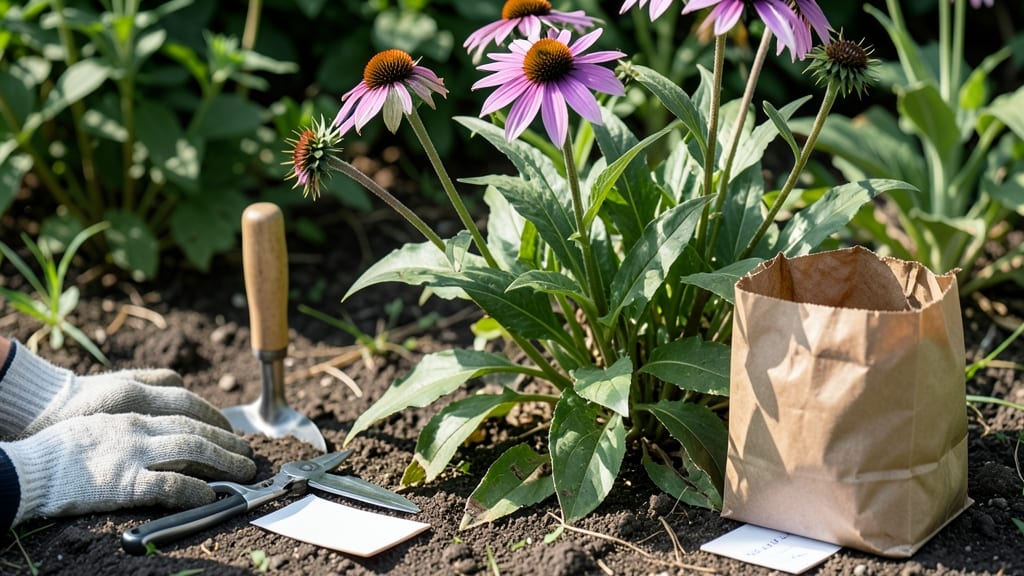
Harvesting purple coneflower seeds at the right time ensures strong, viable blooms for next year’s garden 🌼 — and skipping these steps can leave you with weak germination or wasted effort.
You’ve spent months nurturing your Purple Coneflower, watching bees and butterflies flock to its vibrant blooms. Now comes the moment when those same flowers can fuel your garden for years to come—but only if you harvest the seeds correctly.
The key is patience: waiting until the seed heads turn fully brown and the petals wilt naturally. Harvest too early, and you’ll end up with empty pods. Too late, and the seeds scatter before you can collect them.
In this guide, I’ll walk you through the exact timing, tools, and drying methods to save seeds that stay fresh for up to three years. Plus, I’ll share the common mistakes that ruin harvests—and how to avoid them.
When to harvest purple coneflower seeds: the perfect timing guide
Timing is everything when harvesting purple coneflower seeds (Echinacea purpurea). The ideal window spans from late summer to early fall, typically between August and September in most U.S. growing zones.
This period ensures seeds have fully matured but haven't scattered naturally, maximizing viability and germination rates for next year's blooms.
Miss this window, and you risk collecting seeds that are either underdeveloped or already shed. The key is watching for visual maturity cues—like brown, papery seed heads—that signal readiness. In cooler climates (USDA zones 3-5), harvest slightly earlier, while warmer zones (6-9) can extend into October.
Here’s what to look for: dried, brown cones with wilted petals and seeds rattling inside. These signs confirm the seeds are ready for harvest. Premature harvesting (when heads are still green) leads to weak seeds that won’t sprout.
Regional adjustments matter too. In northern climates, aim for late August to avoid early frosts. Southern gardeners can wait until September or even October, as milder weather prolongs the harvest window.
Why does timing matter so much? Seeds harvested at the right stage have higher germination rates (up to 90% vs. 30-50% if harvested early). Overripe seeds lose viability quickly, while underripe ones fail to sprout. Early frosts can also shatter seed heads, making harvest impossible.
Pro tip: Harvest on a dry, sunny morning when dew has evaporated. This reduces humidity, preventing mold during drying. Use clean pruners or scissors to cut seed heads at the base, leaving a 1-inch stem for easier handling.
In cooler climates, prioritize harvesting by mid-September to avoid frost damage. If your area experiences early frosts, harvest earlier and dry seeds indoors under bright, indirect light. Warm zones can afford to wait until October, but monitor for seed scatter.
Once harvested, dry seed heads in a well-ventilated, shady spot for 1-2 weeks. This step is critical—moisture kills seeds by promoting mold. Store dried seeds in paper envelopes or breathable cloth bags in a cool, dark place for up to 3 years.
Timing isn’t just about the calendar—it’s about reading your plants. Pay attention to seed head color, petal condition, and seed rattling. These cues ensure you harvest at the perfect moment for viable seeds ready to grow next season.
Step-by-step method for collecting and storing purple coneflower seeds
Once your purple coneflower seed heads reach the perfect maturity, the next step is collecting and storing them properly to preserve viability. The process is simpler than you might think, but precision matters—especially when it comes to drying and removing the chaff (the dry, papery bits) from the seeds.
I’ve harvested seeds from my own garden for years, and I’ve learned that rushing the drying process or skipping the chaff-removal step can drastically reduce germination rates.
With the right tools and patience, you’ll end up with seeds that stay fresh for up to three years—ready to replant whenever you’re ready.
-
Step 1: Cut the seed heads
Use clean, sharp pruning shears to snip the dried seed heads when they’re fully brown and brittle. Leave about 2 inches of stem attached to make handling easier.
-
Step 2: Bundle and dry
Gather 5-10 seed heads and tie them together with twine or rubber bands. Hang them upside down in a well-ventilated, dry space (like a garage or shed) for 2-3 weeks.
-
Step 3: Remove seeds from chaff
Once completely dry, rub the seed heads between your hands over a large tray or brown paper bag to separate the seeds from the chaff. The seeds will fall out while the chaff blows away.
-
Step 4: Clean and store
Sift the seeds through a fine mesh sieve to remove any remaining debris. Store them in a paper envelope or airtight container with a silica gel packet to control humidity.
Proper storage is where many gardeners go wrong. Seeds stored in plastic bags or humid environments can mold or lose viability within months.
I keep mine in a cool, dark place (like a pantry) where the temperature stays between 35-45°F—this mimics natural seed dormancy conditions and extends their shelf life.
Label your storage containers with the harvest date and variety name to avoid confusion later. If you’re sharing seeds with fellow gardeners, include these storage tips to ensure their success too!
With these steps, you’ll have a reliable supply of purple coneflower seeds ready to plant next spring—no need to buy new ones every year. Happy seed saving! 🌱