
How To
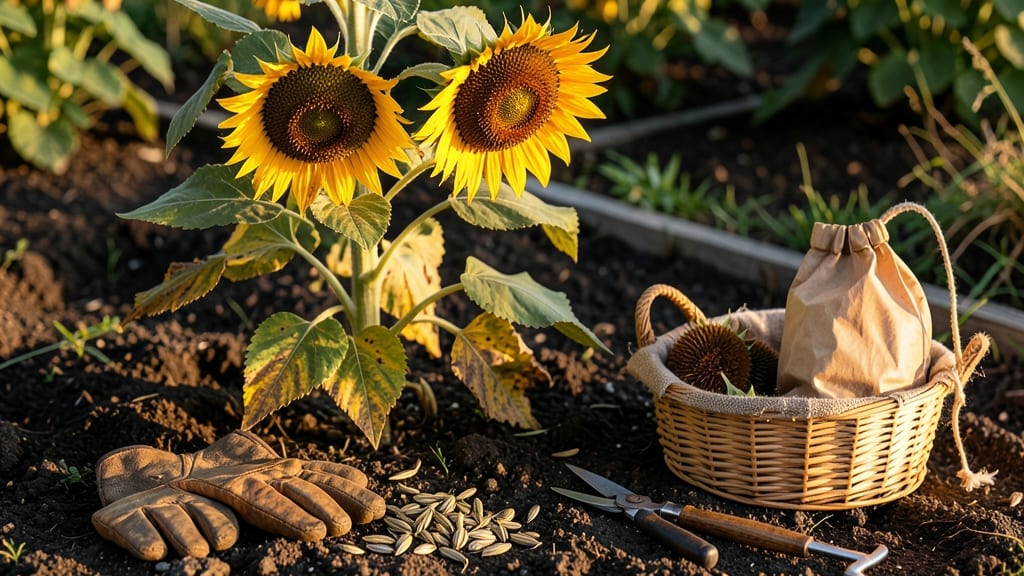
Knowing when sunflower seeds are ready to harvest can mean the difference between a bountiful harvest and losing your crop to birds or rot.
Picture this: you’ve spent weeks watching your 🌻 sunflowers grow, only to wake up one morning and find the seed heads stripped bare by hungry wildlife. That’s why timing is everything—harvesting too early means bland, underdeveloped seeds, while waiting too long risks losing your entire yield.
The key is spotting the right visual cues before your hard work becomes a snack for squirrels.
Most gardeners miss the window because they don’t know what to look for. The back of the seed head should turn a deep, uniform brown, the petals should wilt and fall away naturally, and when you gently shake the head, the seeds should rattle inside like a dry drum.
These three signs are your green thumb’s best friends, and they’re easier to spot than you think.
In this guide, I’ll walk you through exactly what to check, how to avoid common mistakes, and even how to store your seeds so they stay fresh for months.
Whether you’re a first-time gardener or a seasoned pro, you’ll leave here knowing precisely when to harvest—and how to protect your crop from the birds.
3 Visual signs sunflower seeds are perfectly ripe for harvesting
Knowing exactly when to harvest sunflower seeds can be tricky—pick too early and you’ll get underdeveloped seeds, wait too long and birds or rot will ruin your crop. The key lies in three visual cues that tell you the seeds are at peak ripeness.
These signs work for both confectionary (edible) and oilseed varieties, so you can apply them universally in your garden.
I’ve learned the hard way that ignoring these cues often leads to either shriveled seeds or a seed head full of mold. The good news? Once you recognize these three harvest-ready indicators, you’ll never miss the perfect moment again.
Let’s break them down so you can confidently harvest your sunflowers like a pro.
-
1
Petals Turn Brown and Fall Off
The bright yellow petals will wilt and drop naturally, leaving only the brown seed head. If petals are still vibrant, wait a few more days. -
2
Seed Head Turns Fully Brown and Papery
The back of the head should be dry and brown, not green. Gently rub your thumb over it—if it feels dry and crumbly, it’s ready. -
3
Seeds Rattle When Shaken
Hold the head over a paper bag and shake gently. If seeds rattle loudly inside, they’re fully mature. If they feel heavy or damp, wait longer.
The first sign I watch for is the petal transformation. When the golden petals start wilting and falling off, it’s nature’s way of signaling that the seeds inside are nearly ready.
I’ve noticed that in hot, dry climates, this process happens faster, so I check my sunflowers every 2-3 days during late summer to avoid missing the window.
One common mistake I see gardeners make is harvesting too early because the petals have dropped but the seed head is still green. This is a red flag—if the back of the head isn’t fully brown, the seeds won’t be fully developed.
I learned this lesson the first time I tried to harvest seeds from a partially green head, only to find they were shriveled and unusable.
For the seed head texture, I always do the thumb test. If the back of the head feels dry and papery when I run my thumb over it, I know it’s time. If it’s still slightly green or moist, I’ll wait another day or two.
This test is especially important for confectionary varieties, which need to be perfectly ripe for the best flavor and crunch.
Don’t overlook the seed rattle test—this is my favorite trick because it’s foolproof. When I shake a ripe sunflower head over a bag, the seeds inside sound like marbles rattling around.
If it feels heavy or muffled, the seeds aren’t ready yet. I’ve used this method for years, and it’s saved me from harvesting underripe seeds more times than I can count.
If you’re in a cooler climate or dealing with early frost threats, you might need to harvest slightly earlier than the perfect ripe stage. In this case, I recommend cutting the heads and hanging them upside down in a dry, dark place for a week to finish drying.
This mimics the natural drying process and helps prevent mold or rot.
Overripe seeds are another common issue, especially if you’ve missed the window. If the seed head turns gray or moldy, or if birds have already pecked holes in it, those seeds won’t be viable.
That’s why I always keep a close eye on my sunflowers and harvest as soon as they meet the three ripe signs.
Pro tip: If you’re growing sunflowers for seed saving, make sure to harvest a few heads at slightly different stages to ensure you have a diverse seed bank. This helps maintain genetic diversity and improves the chances of strong, healthy plants in future seasons.
Once you’ve mastered these three visual cues, harvesting sunflower seeds becomes second nature. Just remember: petals down, head brown, and seeds rattle—that’s the golden trio for perfect sunflower seeds every time! 🌻
When to harvest sunflower seeds by variety: annual vs perennial differences
Not all sunflowers mature on the same schedule, which is why knowing your variety type makes all the difference. Annual sunflowers, like the classic Mammoth or Russian Giant, typically reach harvest readiness in 80-120 days, while perennial varieties, such as Maximilian sunflowers, take longer—sometimes up to 150 days—due to their slower growth cycle.
The key difference lies in their seed maturation rate and how they respond to frost timing in your region.
In warmer climates like USDA Zones 8-10, annual sunflowers may mature as early as mid-August, while in cooler Zones 3-6, you might need to wait until late September or early October before harvesting.
Perennial types, however, often delay maturity until the following year, making them ideal for gardeners in regions with mild winters. Understanding these differences helps you avoid the frustration of missed harvest windows or frost-damaged seeds.
Regional climate adjustments are critical. For example, in short-season areas like Minnesota, even annual varieties may struggle to fully mature before the first frost. In these cases, opt for early-maturing hybrids like Autumn Beauty, which typically mature in 60-70 days. Meanwhile, in longer growing seasons like those in California, you can afford to grow larger, slower-maturing varieties without rushing harvest times.
Frost plays a critical role in determining harvest timing. For annual varieties, a single hard frost can turn seeds mushy and inedible, which is why I always monitor local frost dates when planning my harvest.
If frost is forecasted before your sunflowers mature, consider covering heads with burlap to buy a few extra days. For perennial types, frost actually helps stratify seeds, improving germination rates for next year’s crop.
One common mistake I see is assuming all sunflowers follow the same timeline. For instance, oilseed varieties like Sunflower 'NuSun' mature faster than confectionary types like 'Teddy Bear', which prioritize seed flavor over speed.
Always check the seed packet for specific maturity dates—this small step can save you from harvesting underripe seeds that lack flavor or overripe seeds that shatter easily.
Pro tip: If you’re unsure whether your seeds are ready, perform the shake test. Hold the seed head over a brown paper bag and give it a firm shake. If seeds rain down easily, they’re ready.
If they stay put, wait another 3-5 days. This simple trick has saved me from harvesting half-ripe seeds more times than I can count! 🌻