
How To
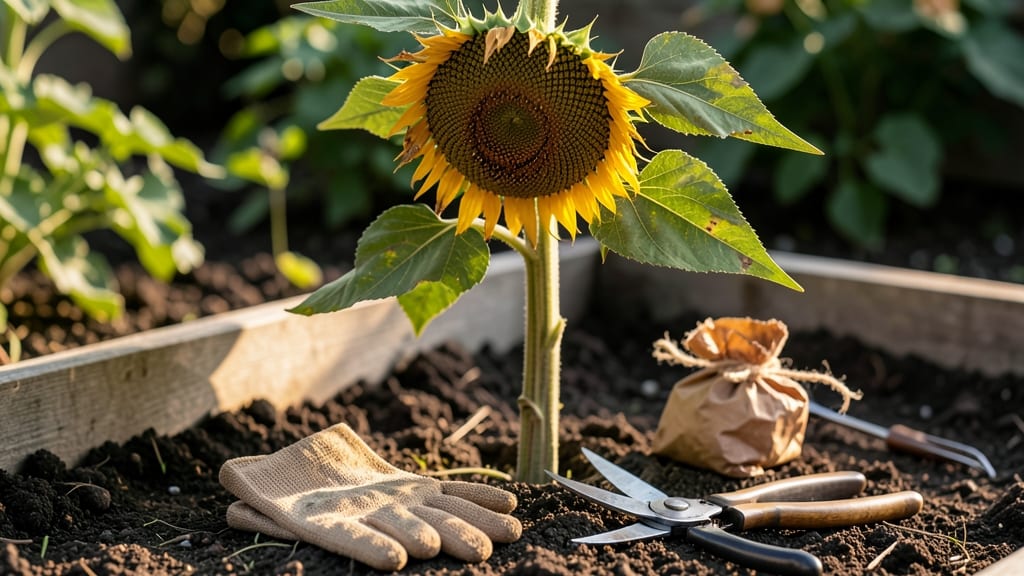
Knowing when sunflower seeds are ready to harvest means catching them at peak flavor and nutrition—before birds or weather ruin your crop.
Picture this: your 🌻 sunflowers towering in your garden, their vibrant blooms turning to golden-brown heads. But how do you know the exact moment to pick them? Too soon, and the seeds won’t be fully developed.
Too late, and you risk losing them entirely. The secret lies in three key stages of maturity, each with its own telltale signs.
In USDA Zone 6a, where spring planting kicks off in April, your sunflowers will reach harvest time between July and September.
By then, you’ll need to watch for petals that droop or fall away, seed heads that turn a dry, papery yellow-brown, and the unmistakable rattle of seeds inside. These cues are your green thumbs’ shortcut to perfect timing.
Below, I’ll walk you through the visual and tactile tests to confirm ripeness—plus how to dry and store your seeds for long-term use. No more guessing, just foolproof results every harvest.
3 Visual signs sunflower heads are ready for harvesting
Harvesting sunflower seeds at the perfect moment ensures maximum flavor and storage potential. The key lies in observing three visual and tactile cues that signal maturity. These signs work together to confirm your seeds are ready—don’t rely on just one.
The color shift, petal behavior, and seed head texture all play crucial roles in determining the ideal harvest window.
Most sunflower varieties reach maturity between 80 and 120 days after planting, but visual cues are more reliable than days alone. Early morning is the best time to check your sunflowers, as dew can sometimes mask subtle changes.
Look for these three unmistakable signs that your seeds are finally ready for harvest.
Petals Drop or Wilt Completely
Mature sunflowers will shed their petals naturally or show wilted yellow petals. This signals the plant is redirecting energy to seed development. Exception: Some varieties (like 'Teddy Bear') retain petals longer.
Back of Head Turns Yellow-Brown
The reverse side of the seed head (where it attaches to the stem) should change from green to yellow-brown. This indicates seed maturation and moisture reduction—critical for storage.
Seed Head Feels Dry and Papery
Run your thumb along the seed head’s back. If it feels dry, rough, and slightly papery (like crumpled paper), seeds are ready. A moist or damp head means they need more time.
Don’t overlook the seed rattle test, which is my favorite trick for confirming readiness. Gently shake the seed head—if you hear a distinct rattling sound, seeds are fully developed and ready for harvest.
This happens because the seeds have shrunk slightly from their moisture-rich state, creating space between them.
The seed color is another subtle but important clue. Mature sunflower seeds turn from white or pale green to a creamy beige or tan. If you crack open a seed, the embryo should be fully formed and not translucent.
This visual cue ensures you’re harvesting seeds with maximum germination potential for next year’s garden.
Timing matters most in late summer, when days grow shorter and temperatures drop. If you’re in USDA Zone 6a (like me), aim to harvest by late September to avoid early frost damage.
Cut the seed head 2-3 inches above the stem and hang it upside down in a dry, dark place for 1-2 weeks to fully dry the seeds.
Birds are the biggest threat to sunflower seeds, so act quickly once you spot these signs. Cover the seed head with a breathable mesh bag if birds are a problem in your area.
This protects seeds while still allowing airflow for proper drying. Never harvest in rain—wet seeds spoil faster and won’t store well.
Pro tip: Dwarf varieties (like 'Moulin Rouge') mature faster than giant sunflowers (like 'Russian Giant'). Check their specific days to maturity on the seed packet, but always prioritize visual cues over calendar dates. Consistency is key—if one head shows signs of readiness, check nearby plants daily.
Once harvested, store seeds in an airtight container in a cool, dark place for up to 2 years. Properly dried seeds will keep their nutritional value and germination rate for next season’s planting. Happy harvesting! 🌻
How to test sunflower seed ripeness: the squeeze and tap method
When your sunflower heads turn golden and the petals start to droop, you know they’re nearing maturity—but how do you confirm those seeds are truly ready? The squeeze and tap method gives you a foolproof way to test ripeness without guessing.
These simple tactile checks help you avoid harvesting too early (and missing out on flavor) or too late (and losing seeds to birds or frost).
Start by selecting a sunflower head that’s already showing signs of maturity: yellow-brown back, wilted petals, or a dry, papery texture. These visual cues are your first clue, but the real test comes when you put your hands on the seed head.
The squeeze test and tap test are my go-to methods for pinpointing the perfect moment to harvest.
Step-by-Step: The Squeeze and Tap Method
- 1 Gently squeeze the seed head between your thumb and forefinger. If the seeds feel firm but not rock-hard, they’re likely ready. If they’re still soft or squishy, wait 3-5 more days for full ripeness.
- 2 Tap the seed head lightly with your knuckles. If you hear a hollow, rattling sound, the seeds inside are dry and ready for harvest. No sound? They need more time to mature.
- 3 Check the seed color by carefully removing a few seeds from the outer layer. Ready seeds are white or cream-colored with a hard shell. If they’re still green or translucent, they’re not fully mature.
- 4 Harvest in the morning when seed heads are dry and dew-free. Use a sharp knife or pruners to cut the stem 1-2 inches below the head, leaving the seeds intact.
If you’re dealing with late-season blooms and worry about frost or bird attacks, don’t panic. Cut the seed head and hang it upside down in a dry, well-ventilated spot (like a garage or shed).
This mimics natural drying conditions and prevents seed loss while you finish ripening indoors. Just be sure to check them weekly for pests or mold.
Once your seeds pass all three tests—firm squeeze, hollow tap, and white colorpaper towel in a single layer and let them dry for 1-2 weeks in a cool, dark place.
Store them in an airtight container for up to 6 months, and you’ll have fresh sunflower seeds for next year’s garden.
Pro tip: If you’re growing sunflowers for birdseed, leave some heads on the stem until they’re completely dry and the seeds have turned dark brown or black. Birds love them best at this stage, but for edible seeds, harvest when they’re still light-colored for the best flavor.