
Planting
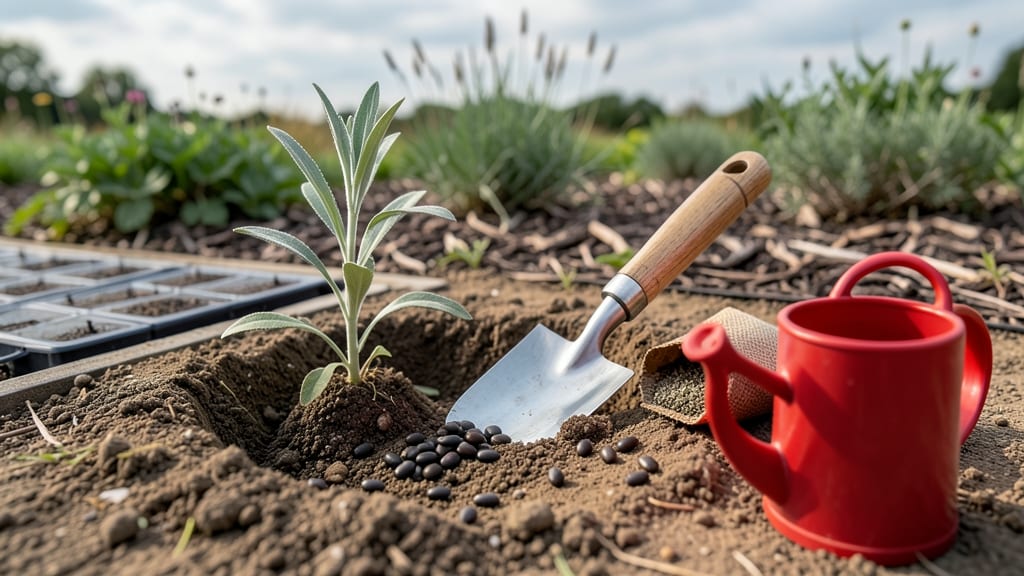
To plant safflower 🌼 successfully, start with well-drained soil and a sunny spot—these fast-growing annuals reward the right conditions with vibrant blooms in just 3 months.
Picture this: you’ve cleared a patch of garden bed, but your safflower seeds sit stubbornly under the soil, refusing to sprout. The secret? Planting them at the right depth and spacing, paired with consistent moisture, is the difference between a thriving 5-foot beauty and a patch of disappointment.
Safflower thrives in USDA Zone 6a and beyond, making it a low-maintenance choice for spring planting after the last frost. Whether you’re growing it for its striking yellow-orange flowers or its drought-tolerant resilience, the key is simplicity—no fuss, just results.
Below, I’ll walk you through the exact soil prep, spacing, and watering schedule to ensure your safflower seeds germinate in 7-14 days and grow into sturdy, show-stopping plants. Let’s get started.

Optimal soil conditions, spacing, and planting depth for safflower germination
Safflower thrives in well-draining soil with a slightly alkaline pH between 6.0 and 8.0. This annual loves loamy or sandy soil that prevents root rot while allowing air circulation. If your soil is heavy clay, amend it with compost or perlite to improve drainage before planting.
For best results, test your soil’s pH using a garden kit or send a sample to your local extension office. Safflowers tolerate a wide pH range, but ideal conditions produce faster germination and stronger stems. Avoid waterlogged areas—safflowers hate soggy roots!
The ideal planting depth for safflower seeds is ½ inch below the soil surface. Press seeds lightly into the soil to ensure good soil contact, which helps moisture reach the seed faster. Planting too deep can delay germination, while shallow planting may expose seeds to drying out.
Spacing matters! Give each safflower plant 12 to 18 inches of space in rows spaced 24 inches apart. This prevents overcrowding, reduces disease risk, and ensures each plant gets enough sunlight and nutrients. If growing safflowers in containers, use 5-gallon pots with drainage holes.
Soil temperature should be at least 50°F (10°C) for germination. Safflowers germinate best in warm soil, so wait until after your last frost date in spring. If planting in fall, choose early varieties that mature before cold weather sets in.
If your soil is too acidic (pH below 6.0), add lime to raise the pH gradually. For alkaline soil (pH above 8.0), mix in sphagnum peat moss or composted pine bark to lower it slightly. Over-amending can disrupt soil balance, so test again after 2–3 weeks.
After planting, keep the soil consistently moist but not waterlogged. Use a light mulch (like straw) to retain moisture and suppress weeds. Safflowers are drought-tolerant once established, but young seedlings need steady watering to prevent wilting.
Watch for common soil issues like compacted soil or poor drainage, which can stunt growth. If seedlings appear leggy or yellow, they may need more sunlight or better-draining soil. Amend the area with organic matter and thin crowded seedlings to improve airflow.
With the right soil conditions, spacing, and planting depth, your safflowers will germinate in 7–14 days and grow into tall, vibrant plants ready for summer blooms. Happy planting! 🌱
Step-by-step planting process: when and how to sow safflower seeds
Safflower seeds germinate quickly when planted at the right time and depth, but timing matters based on your climate zone. In USDA zones 6-9, aim for late spring after frost (April-May), while cooler zones (like 3-5) should wait until May or June when soil warms to 60°F+.
Container gardening extends your window—just ensure pots have drainage holes to prevent root rot.
Direct sowing is easiest for safflower, but you can also start seeds indoors 4-6 weeks before last frost if your growing season is short. Transplants handle stress well, but avoid disturbing roots during transfer. For both methods, soil temperature is critical—cold soil delays germination.
- Direct Sowing: Plant seeds ½ inch deep in well-draining soil after last frost.
- Transplanting: Start seeds 4-6 weeks indoors in biodegradable pots to reduce shock.
- Loosen top 6 inches of soil or mix compost into containers.
- Ensure pH 6.0-7.5—test with a kit if unsure.
- For containers: Use 5-gallon pots minimum (safflower grows 3-5 ft tall).
- Space seeds 12-18 inches apart in rows 18-24 inches apart.
- Cover seeds with ¼ inch of soil—too deep slows germination.
- Water gently to avoid displacing seeds (mist, not flood).
- Keep soil consistently moist (not soggy) until sprouts appear (7-14 days).
- Place containers or rows in full sun (6+ hours/day)—use shade cloth if temps exceed 85°F.
- Thin seedlings to 12 inches apart when 2 inches tall to prevent competition.
- Reduce watering to 1 inch per week once established (drought-tolerant).
- Apply mulch (straw or grass clippings) to retain moisture.
- Fertilize lightly with 10-10-10 at 4-6 weeks if growth stalls.
Safflower thrives in poor soil, but amending with compost boosts early growth. If using containers, mix in perlite for aeration—root rot is the biggest threat in pots. Monitor for slugs in humid climates; handpick or use diatomaceous earth.
Once seedlings reach 6 inches tall, they’re ready for minimal care. Focus on deadheading spent blooms to encourage more flowers. In USDA zones 8-10, you can even plant a second crop in late summer for fall blooms.
With these steps, your safflower will reward you with vibrant blooms in 8-12 weeks and minimal fuss. Happy planting! 🌼