
Shrubs
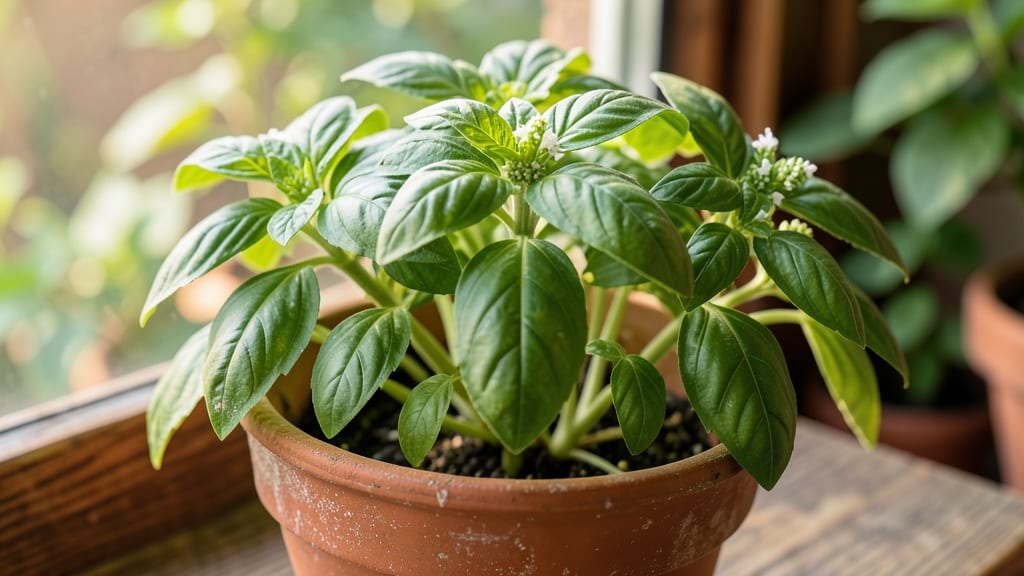
To tell if basil is flowering, look for tiny white or purple buds forming at the leaf joints 🌿—these signal your plant is shifting energy from leaves to seeds.
If your basil plants are suddenly producing small white or purple flowers, your harvest is about to suffer—unless you act fast. Recognizing these early signs means you can prune before the flowers steal flavor and growth from your leaves.
Flowering basil isn’t just about aesthetics—it’s a game-changer for your kitchen garden. Once those buds appear, the leaves become bitter, and the plant’s energy shifts from producing the aromatic leaves you love to making seeds.
In this guide, you’ll learn how to spot flowering basil early, why it happens, and the simple pruning tricks to keep your plants leafy and productive all season long.
Visual signs of basil flowering: what to look for
When your basil starts flowering, it’s a clear sign your plant is shifting focus from leaf production to seed-making. This transition dramatically reduces flavor and yield, so spotting the early signs is critical.
The first clues often appear as subtle changes in leaf color or stem growth before flowers even form. Understanding these visual cues lets you act fast to preserve your harvest.
Basil flowering begins with small, white or purple buds forming at the leaf axils—where the stem meets the leaf. These buds grow rapidly into tiny flower spikes, typically 1-2 inches tall, with a distinct square stem (a hallmark of basil).
If you see these early signs, your plant is already diverting energy away from leaf growth, so pruning becomes essential to redirect its focus.
🌿 Early vs. Late Basil Flowering Signs
| Stage | Visual Clues | Impact on Plant |
|---|---|---|
| Early Stage | Small white/purple buds at leaf axils; leaf edges turning yellow | Energy shifts from leaves to flowers; flavor weakens |
| Mid Stage | Flower spikes 1-2 inches tall; stems become woody | Leaf production stops almost completely; plant prioritizes seeds |
| Late Stage | Flowers open fully; seeds form; leaves turn bitter | Harvest unusable; plant may die after seed drop |
One of the first leaf changes to watch for is yellowing edges or a general dulling of green color. This happens as the plant redirects nutrients to flower production.
If you notice small white hairs on the stems or leaves, that’s another early sign—these are trichomes, tiny hair-like structures that appear as flowering begins.
Another key indicator is the growth pattern of your basil. Healthy basil grows bushy with multiple leaf nodes, but flowering basil often shows elongated stems with fewer leaves.
This "bolting" is the plant’s way of stretching toward light to support flower development. If you see stems reaching 4+ inches tall with sparse leaves, flowering is likely imminent.
In container-grown basil, flowering signs appear faster due to root restriction. Check the bottom leaves first—they often yellow or wilt as the plant focuses energy upward. If your basil is in a small pot (<12 inches wide), it may flower in as little as 6-8 weeks, compared to 8-10 weeks in larger garden beds.
Late-stage flowering is unmistakable: fully open flowers (white or purple) and tiny seeds forming at the tips. At this point, the leaves will taste bitter and woody, making them inedible. The plant’s primary goal shifts to seed production, and leaf growth halts completely.
If you’ve missed the early signs, you’ll need to prune aggressively or replace the plant to salvage your harvest.
To prevent flowering, ensure your basil gets 6+ hours of sunlight daily and avoid overcrowding. Stress from drought or poor soil can also trigger early flowering, so maintain consistent moisture and use balanced fertilizer (like 10-10-10) every 4-6 weeks.
Regular harvesting of leaves (pinching the top sets) encourages bushier growth and delays flowering.
If you catch the early signs, prune below the first flower bud to redirect the plant’s energy back to leaf production. This simple step can give you 4-6 more weeks of flavorful harvests. Keep an eye on your plants, and you’ll never let flowering ruin your crop again!
How to stop basil flowering: pruning techniques to save your harvest
Once you spot those tiny white or purple flower buds on your basil, it’s time to act fast. Flowering signals your plant is redirecting energy from leaf production to seed-making, which means bitter-tasting leaves and fewer harvests.
The good news? With the right pruning techniques, you can reset your basil’s growth cycle and keep those flavorful leaves coming.
Pruning isn’t just about cutting flowers—it’s about encouraging your basil to grow bushier and leafier. By removing flower buds and stems, you’re telling your plant, “Keep making leaves, not seeds!”
The key is timing, technique, and consistency. Let’s dive into the step-by-step pruning methods that will save your harvest and keep your basil thriving all season.
Step-by-Step Pruning Guide
- Step 1: Identify the Flower Buds Look for tiny white or purple buds forming at the leaf joints. These are the first signs of flowering.
- Step 2: Use Clean Pruning Shears Sterilize your sharp pruning shears with rubbing alcohol to prevent disease spread.
- Step 3: Cut Above the Buds Snip the stem just above the flower bud or the leaf joint below it to redirect growth.
- Step 4: Prune Early Morning Always prune in the early morning when the plant is hydrated and wounds heal faster.
- Step 5: Remove Up to 1/3 of the Plant Don’t overdo it—cutting too much at once can stress the plant. Aim for 1/3 of the growth.
- Step 6: Fertilize Lightly After Pruning Use a balanced fertilizer (10-10-10) to encourage new leaf growth.
Timing is everything when it comes to pruning basil. The best time to prune is as soon as you spot flower buds, ideally in the morning. This gives your plant the entire day to recover and redirect its energy.
If you wait too long, the flowers will steal nutrients from your leaves, making them bitter and less flavorful.
Using the right tools makes all the difference. A pair of clean, sharp pruning shears ensures clean cuts that heal quickly. Avoid using dull scissors or your fingers—this can damage the plant and introduce diseases. After pruning, always sterilize your tools with rubbing alcohol to keep your garden healthy.
Post-pruning care is just as important as the pruning itself. After you’ve removed the flower buds, give your basil a light feeding with a balanced fertilizer. This helps stimulate new leaf growth and keeps your plant strong.
Also, make sure your basil gets consistent watering—keep the soil moist but not soggy to avoid root rot.
With these techniques, your basil will bounce back quickly, producing more leaves and fewer flowers. Regular pruning every 2-4 weeks will keep your plants bushy, productive, and full of flavor all season long. Happy pruning! ✂️🌿