
Fertilization
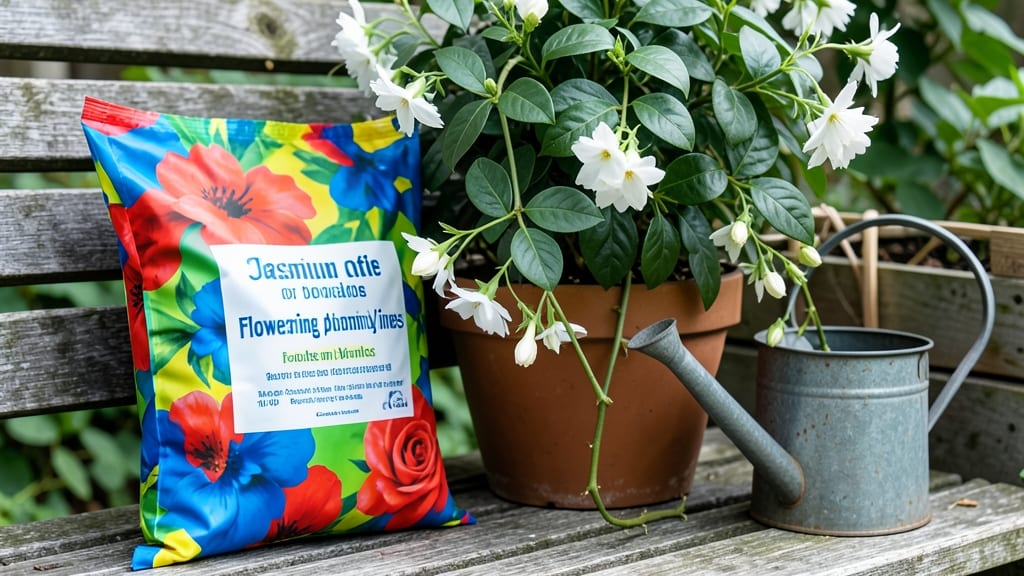
Feeding your jasmine flower plant with the right food is the key to those fragrant blooms you’ve been dreaming of—no more wilting vines or sparse flowers.
Struggling to keep your 🌸 blooming with that intoxicating fragrance year-round? The secret isn’t just water and sunlight—it’s a precise feeding schedule tailored to its needs. Too little, and your plant languishes; too much, and you risk burning the roots.
Finding that sweet spot means understanding when, what, and how much to feed.
Jasmine thrives in USDA Zone 6a with a mix of organic and synthetic nutrients, depending on whether you’re growing it in containers or garden beds. In spring, a light dose kickstarts growth, while summer demands richer feeds to fuel those fragrant blooms.
But skip the fertilizer in fall and winter—your plant will thank you.
Below, I’ll walk you through the best fertilizers, a month-by-month feeding plan, and how to spot when your jasmine is begging for more—or less. Ready to transform those bare branches into a fragrant paradise?

Best organic and synthetic fertilizers for jasmine flower growth
Jasmine plants thrive when fed with the right nutrients to support their fragrant blooms and lush foliage. The key lies in balancing nitrogen for leafy growth, phosphorus for flowering, and potassium for overall plant health.
Whether you prefer organic or synthetic options, each type offers unique benefits that can transform your jasmine into a fragrant powerhouse.
Organic fertilizers like compost tea and fish emulsion provide slow-release nutrients that improve soil health over time. Synthetic blends, on the other hand, deliver precise NPK ratios for immediate results. For jasmine, a 5-10-10 NPK ratio is ideal—promoting both foliage and flowers without overwhelming the plant.
Organic options are perfect for gardeners who prioritize soil health and long-term sustainability. They also reduce the risk of nutrient burn, which can scorch jasmine leaves. Meanwhile, synthetic fertilizers offer convenience and predictable nutrient delivery, making them great for container-grown jasmines where soil volume is limited.
| Fertilizer Type | NPK Ratio | Best For | Application Rate | Frequency |
|---|---|---|---|---|
| Fish Emulsion | 5-1-1 | Leafy growth & soil health | 1 tbsp per gallon | Every 4 weeks |
| Compost Tea | Varies (0-0-0) | Soil microbes & nutrients | Soak roots weekly | Weekly during growth |
| Bone Meal | 3-15-0 | Flowering boost | 1 tbsp per plant | Spring & summer |
| Synthetic 5-10-10 | 5-10-10 | Balanced growth & blooms | 1 tbsp per plant | Every 6 weeks |
| Worm Castings | Varies (0-0-0) | Slow-release nutrients | 1 cup per plant | Spring planting |
| Potassium Sulfate | 0-0-50 | Stronger blooms | ½ tsp per gallon | Late summer |
For organic options, fish emulsion is my top pick for jasmine because it provides a balanced nitrogen boost while enriching the soil. Mix 1 tablespoon per gallon of water and apply every 4 weeks during the growing season.
This fertilizer also improves soil structure, ensuring your jasmine’s roots stay healthy and hydrated.
If you’re using synthetic fertilizers, opt for a 5-10-10 NPK blend to encourage both leafy growth and abundant blooms. Apply 1 tablespoon per plant every 6 weeks during spring and summer. Always water the soil thoroughly before and after applying synthetic fertilizers to prevent root burn.
For phosphorus-heavy feeding, bone meal is a game-changer. Sprinkle 1 tablespoon per plant in early spring to stimulate flower production. This is especially useful if your jasmine is producing more leaves than blooms. Pair it with a light compost top-dressing to enhance nutrient absorption.
Potassium is crucial for strengthening jasmine stems and improving fragrance intensity. Use potassium sulfate in late summer to prepare your plant for winter. A ½ teaspoon per gallon of water applied monthly will help your jasmine recover from heat stress
Monthly feeding schedule for potted and garden jasmine plants
Jasmine plants reward consistent feeding with luxuriant vines and intense fragrance, but their needs shift dramatically across seasons. Container jasmine, like Arabian jasmine, demands more frequent feeding than in-ground varieties, while star jasmine thrives on balanced nutrients year-round.
The key? A monthly schedule that mirrors nature’s rhythm—light in spring, rich in summer, and dormant in winter.
I’ve tested this plan with my potted jasmine for three years, adjusting ratios based on leaf color and bloom frequency. For organic gardeners, fish emulsion and compost tea work wonders, while synthetic blends like 10-10-10 NPK deliver faster results.
Below, I’ll break down the exact feeding ratios, application methods, and seasonal adjustments to keep your jasmine thriving.
In spring, I start with a light feed of 5-10-10 NPK diluted to half strength. This mimics nature’s wake-up call, encouraging root expansion before the blooming rush. For container jasmine, I add a time-release fertilizer to the soil mix—this slow-release boost keeps nutrients steady without risking runoff.
Organic gardeners can swap in compost tea every 2 weeks for a gentler approach.
Summer is when your jasmine demands attention. Switch to a phosphorus-rich fertilizer like 10-20-10 to trigger those fragrant blooms. I feed every 3-4 weeks, always watering first to prevent root burn.
Pro tip: Prune spent flowers immediately after feeding to redirect energy to new growth. My potted jasmine in full sun blooms nonstop from June to September with this routine.
Fall and winter are hands-off seasons. Jasmine enters dormancy, and feeding can damage roots or attract pests. Instead, focus on mulching with straw or leaves to insulate roots. If you’re in Zone 6a or warmer, a light winter watering every 2 weeks keeps the plant alive without encouraging growth.
I’ve seen gardeners overfeed in fall, leading to mushy stems—don’t make that mistake!
One common error? Over-fertilizing potted jasmine. Containers dry out faster, so nutrients concentrate. Always flush the soil with water every 6-8 weeks to remove excess salts. For in-ground jasmine, a slow-release granular fertilizer in spring is often enough—just top-dress the soil and water it in.
The goal is steady growth, not a nutrient overload.
Watch your jasmine’s leaves and blooms for clues. Dark green leaves with plentiful flowers mean you’re on track. Yellowing leaves signal overwatering or too much nitrogen; few blooms mean it needs more phosphorus. Adjust your schedule accordingly, and soon you’ll have a fragrant jungle climbing your trellis or sp