
Blooming
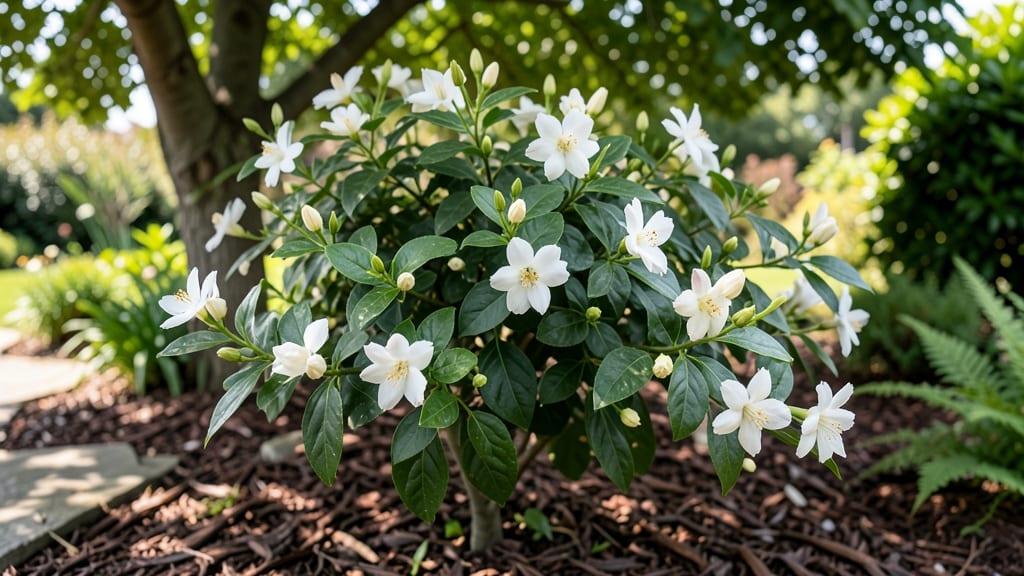
The jasmine flowering period varies wildly by variety—some burst into bloom in winter, while others wait until summer, and a few keep going all year if you play your cards right.
Picture this: a 3 PM garden stroll where the air is thick with that signature jasmine scent, and you realize your plant has been hiding its best blooms from you. The secret? Knowing when each type flowers—and how to nudge them along when the timing feels off.
From the delicate winter jasmine that cheers up chilly months to the bold Arabian jasmine that thrives in heat, we’ll break down the best months for each, plus how climate and care can shift those windows.
Spoiler: a little pruning or sunlight tweak can turn a one-month show into a six-month fragrance festival.
Ready to turn your jasmine into a year-round star? Let’s dive into the blooming calendar, regional tweaks, and the three care tricks that’ll have your vines overflowing with flowers—no matter the season.
Jasmine flowering period by variety: when each type blooms monthly
Jasmine plants are famous for their intoxicating fragrance, but their blooming periods vary wildly depending on the variety and climate. Whether you're growing Arabian jasmine in your sunny patio or winter jasmine in cooler regions, knowing the right timing helps you plan for the most stunning displays.
Most jasmine types bloom seasonally, but some varieties offer year-round fragrance with proper care.
Understanding your specific jasmine type is crucial—tropical jasmines like Arabian jasmine thrive in warm climates (USDA zones 9-11) and bloom primarily in summer, while hardy jasmines like winter jasmine adapt to cooler zones (7-9) and flower in early spring.
Let’s break down exactly when each variety puts on its best floral show.
| Variety | USDA Zones | Peak Blooming Months | Fragrance Strength | Care Tips |
|---|---|---|---|---|
| Arabian Jasmine | 9-11 | June - September | Very Strong | Needs full sun, regular watering |
| Star Jasmine (Trachelospermum jasminoides) | 7-11 | May - October | Moderate | Drought-tolerant, prune after blooming |
| Winter Jasmine (Jasminum nudiflorum) | 5-9 | February - March | Mild | Early spring bloomer, full sun needed |
| Primrose Jasmine (Jasminum mesnyi) | 8-11 | April - June | Very Strong | Needs support, partial shade |
| Pink Jasmine (Jasminum officinale) | 7-10 | June - August | Strong | Climbing vine, needs trellis |
If you're in USDA zones 7-9, winter jasmine is a standout choice because it blooms in late winter or early spring, often before other plants wake up. Its bright yellow flowers add a cheerful pop to your garden when everything else is still dormant.
For those in warmer zones (9-11), Arabian jasmine and primrose jasmine dominate the summer months with their intense fragrance, perfect for evening strolls.
Star jasmine is a versatile option for zones 7-11, offering blooms from late spring through fall. It’s also one of the most drought-tolerant jasmines, making it ideal for low-maintenance gardens.
To maximize its flowering period, prune it lightly after its first flush of blooms to encourage a second round of flowers later in the season.
For year-round fragrance, consider combining hardy and tropical varieties. Plant winter jasmine near a south-facing wall to catch extra sunlight, while Arabian jasmine thrives in containers that you can move indoors during cooler months.
This way, you can enjoy jasmine’s signature scent in every season, even if no single variety blooms all year.
Climate plays a huge role in jasmine blooming. In cooler zones (7-8), winter jasmine and star jasmine are your best bets, while warmer zones (9-11) can support Arabian jasmine, primrose jasmine, and even tropical varieties like jasmine sambac.
Pay attention to your local frost dates—jasmine plants in pots are especially vulnerable to cold snaps and may need winter protection.
To encourage longer blooming periods, focus on three key care factors: sunlight, watering, and pruning. Most jasmines need 6-8 hours of sun daily, but some varieties like primrose jasmine tolerate partial shade.
Water deeply but allow the top inch of soil to dry out between waterings—overwatering can lead to root rot and fewer blooms. Prune after flowering to shape your plant and promote bushier growth for next season.
Pro tip: If your jasmine isn’t blooming as expected, check its fertilizer routine. A balanced 10-10-10 fertilizer applied in early spring and mid-summer can boost flower production.
Avoid heavy nitrogen fertilizers, which encourage leafy growth at the expense of blooms. With the right care, you can enjoy jasmine’s heavenly scent for months on end!
How to extend your jasmine’s flowering season: pruning and care tips
Your jasmine’s flowering period doesn’t have to be limited to a few weeks—with the right care, you can turn those scented blooms into a year-round show. The key lies in understanding how to prune strategically, adjust growing conditions, and feed your plant just enough to keep it blooming.
Even if you’re in a cooler climate where jasmine typically takes a break, these tips will help you cheat the system.
First, let’s tackle the biggest myth: jasmine flowers only once a year. While some varieties like Arabian jasmine naturally have a peak season, others like star jasmine can bloom multiple times if given the right conditions.
The secret? A combination of pruning at the right time, balanced fertilization, and light adjustments to keep your plant happy and productive.
- 1 Prune after blooming – Cut back 1/3 of old growth right after flowers fade to encourage new shoots and next season’s blooms.
- 2 Move to morning sun – If your jasmine blooms sparingly, shift it to 4-6 hours of morning sunlight and afternoon shade to prevent stress.
- 3 Fertilize in early spring and summer – Use a balanced 10-10-10 fertilizer every 4-6 weeks during growing season to fuel blooms.
- 4 Water deeply but infrequently – Soak the soil once a week in summer, but reduce to bi-weekly in fall and monthly in winter to avoid root rot.
- 5 Deadhead spent blooms – Pinch off wilted flowers regularly to redirect energy to new growth and prolong flowering.
Let’s start with pruning, the most critical step for extending your jasmine’s flowering period. Many gardeners make the mistake of pruning too late or too aggressively, which can shock the plant and reduce blooms.
Instead, prune right after the main flowering season ends—usually in late spring or early summer. This gives your jasmine time to recover and produce new shoots that will bloom again later in the season.
If your jasmine is not blooming at all, it might be getting too much shade or not enough sunlight. Jasmine thrives in partial shade with morning sun, but if your plant is struggling, try moving it to a sunnier spot for at least 4-6 hours a day.
Too much direct afternoon sun can scorch the leaves, while too little light can weaken the plant and reduce flowering. Experiment with different locations to find the sweet spot for your specific variety.
Don’t forget about fertilizer—it’s the fuel that keeps your jasmine blooming. Use a balanced 10-10-10 fertilizer in early spring to kickstart growth, then again in early summer to support flowering. Avoid heavy fertilizing in fall or winter, as this can encourage leafy growth over blooms.
A little goes a long way: just 1 tablespoon per plant is enough to keep your jasmine thriving without overloading it.
Finally, watering habits play a surprising role in extending your jasmine’s flowering season. Overwatering can lead to root rot, while underwatering stresses the plant. Aim for a deep soak once a week during the growing season, then reduce to bi-weekly in fall and monthly in winter.
Always water in the morning to let the soil dry out slightly during the day, which helps prevent fungal issues.
With these five simple steps, you’ll transform your jasmine from a one-season wonder into a fragrant year-round star. The key is consistency—prune at the right time, adjust sunlight as needed, fertilize lightly but regularly, and water thoughtfully.
Your garden will thank you with blooms that last and a scent that lingers long after the flowers fade. 🌸