
Blooming
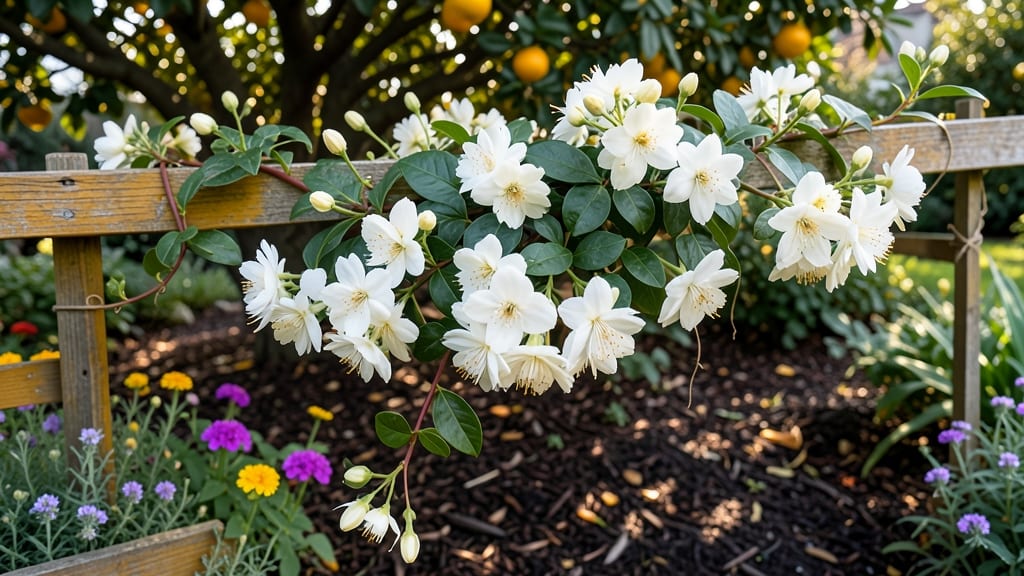
The jasmine plant flowering season is your chance to transform your garden into a fragrant paradise 🌸, but timing is everything.
Imagine waking up to the intoxicating scent of jasmine drifting through your garden—this fragrant dream becomes reality when you time your care perfectly with its flowering season. But when exactly does jasmine bloom, and how can you coax year-round fragrance from this beloved vine?
Most jasmine varieties burst into bloom in late spring, with peak fragrance stretching through summer, but some types—like the delicate Jasminum sambac—can flower even in winter if given the right care.
Whether you're in USDA Zone 6a or a warmer climate, understanding your specific jasmine type is the key to unlocking its full potential.
In this guide, I’ll break down the month-by-month blooming calendar for popular jasmine varieties, share proven tips to extend their flowering season, and reveal the common mistakes that might be keeping your plant from blooming at all. Let’s get your jasmine smelling its best all year!

Jasmine flowering season by variety: when and how long each type blooms
Not all jasmine varieties bloom at the same time—some burst into fragrance in spring while others reward you with summer-long flowers. Understanding your specific jasmine type and its peak blooming months is key to planning a garden that smells like heaven year-round.
The most popular varieties vary dramatically in timing, with some even offering multiple blooming cycles per year.
Your location plays a huge role too. In the US (Zones 7-10), jasmine typically blooms earlier than in cooler climates like the UK (Zones 8-9), where frost delays the show.
Meanwhile, Australian gardeners often enjoy extended blooming due to milder winters. Let’s break down the top 5 jasmine varieties and their unique flowering patterns to help you choose the perfect fragrant companion.
Pro Tip: Ever-blooming jasmines like Jasminum polyanthum are your best bet for year-round fragrance, while seasonal climbers like Jasminum officinale reward patience with dramatic spring displays. Below, you’ll find a side-by-side comparison of their peak months, duration, and regional adjustments to maximize your blooms.
| Variety | Common Name | Peak Blooming Months (US) | Bloom Duration | UK Adjustment | Australia Adjustment | Fragrance Intensity |
|---|---|---|---|---|---|---|
| Jasminum officinale | Common Jasmine | May–June | 4–6 weeks | June–July (later) | April–May (earlier) | Strong, sweet |
| Jasminum sambac | Arabian Jasmine | June–September | 3–4 months | July–October | May–November | Very strong, floral |
| Jasminum polyanthum | Pink Jasmine | April–October (ever-blooming) | 6+ months | May–November | March–December | Moderate, sweet |
| Jasminum nudiflorum | Winter Jasmine | January–March | 6–8 weeks | February–April | December–February | Light, citrusy |
| Jasminum grandiflorum | Spanish Jasmine | June–August | 8–10 weeks | July–September | May–July | Very strong, heady |
If you’re in the US (Zones 7-9), Jasminum officinale and Jasminum grandiflorum are classic choices for their late spring/early summer displays, while Jasminum sambac extends your fragrance party well into fall.
For cooler climates like the UK, expect everything to shift by about 1–2 months later, so plan accordingly. Australian gardeners get the advantage with earlier starts and longer seasons—perfect for those who love year-round jasmine perfumes.
Ever wondered why your jasmine isn’t blooming when it should? The number one reason is often over-fertilizing with nitrogen, which encourages leafy growth at the expense of flowers. Switch to a phosphorus-rich fertilizer (like 5-10-10) in early spring to trigger blooms.
Pair this with 6+ hours of sunlight daily, and you’ll see a dramatic difference in flower production.
For container gardeners, Jasminum polyanthum is a standout because it’s one of the few jasmines that can bloom almost year-round if given the right care. Place it near a south-facing window or in a sunny patio spot, and you’ll enjoy its delicate pink blooms well into autumn.
Just be sure to prune lightly after each flush of flowers to encourage continuous growth.
Regional microclimates can also shift blooming times. In coastal areas, where humidity is higher, jasmines often bloom 2–3 weeks earlier than inland varieties.
If you’re in a hot, dry climate, like Arizona or California, mulching heavily and watering deeply will help extend the blooming season by reducing stress on the plant.
Don’t forget that jasmine vines need support to climb and thrive. A trellis, arbor, or fence isn’t just for aesthetics—it helps the plant channel energy into flower production rather than sprawling.
The more vertical space you provide, the more blooms you’ll see. For smaller gardens, dwarf varieties like Jasminum officinale ‘Aurea’ stay compact while still packing a fragrant punch.
To maximize your jasmine’s flowering potential, prune strategically. Cut back 1/3 of the oldest growth in early spring to encourage new, flower-bearing stems. Avoid heavy pruning in late summer or fall, as this can reduce next year’s blooms.
And if you’re dealing with pests like aphids or spider mites, tackle them early—these critters sap the plant’s energy, leading to fewer flowers.
With the right variety and care, your jasmine can become the star of your garden’s fragrance lineup. Whether you’re chasing spring’s first whiff or summer’s sweetest blooms, knowing your plant’s unique timing lets you plan for a garden that smells like a tropical paradise—no matter the season. 🌸💨
How to extend your jasmine’s flowering season naturally (even in non-ideal climates)
Jasmine plants naturally bloom in spring and summer, but with the right techniques, you can push those fragrant flowers into fall and even winter. The key lies in understanding how to trick your plant into thinking it’s still growing season—without resorting to harsh chemicals.
Whether you’re dealing with cool climates or just want more blooms, these natural methods will work wonders for your Jasminum officinale or Jasminum sambac.
Most gardeners assume jasmine blooms are tied to warm weather, but the truth is, these vines respond to light exposure, soil nutrients, and pruning timing more than temperature alone.
By adjusting these factors, you can extend your jasmine’s flowering window by 2-3 months—or even force blooms in winter with a little planning. The secret? A combination of strategic pruning, phosphorus-rich soil, and microclimate control.
- ✂️ Prune after blooming (not before!) to encourage new flower buds on current season’s growth.
- 🌱 Boost phosphorus (bone meal or compost) to fuel flower production—jasmine needs P for blooms, not just nitrogen.
- ☀️ Maximize light with reflectors or move potted jasmines to sunnier spots—even 2 extra hours of sun can trigger blooms.
Start with late-summer pruning—this is when you should trim back your jasmine to stimulate fresh growth that will bloom in fall. Cut just above a leaf node, and avoid heavy pruning in winter, as this can remove next year’s flower buds.
For potted jasmines, give them a winter vacation indoors near a south-facing window (or under grow lights) to maintain their blooming cycle.
Your jasmine’s soil is the foundation of its flowering power. Test your soil and amend it with phosphorus-rich compost (like bone meal or well-aged manure) to encourage more blooms. A simple soil test will tell you if your jasmine is starving for phosphorus—the nutrient directly responsible for flower production.
Aim for a balanced 10-10-10 fertilizer in spring, then switch to a higher-phosphorus 5-10-10 when buds form.
For non-ideal climates, create a microclimate that mimics ideal conditions. Use windbreaks (like lattice or trellises) to shield your jasmine from chilly winds, and consider a small greenhouse or cold frame to extend the growing season.
Even a clear plastic tunnel over a potted jasmine can add 5-10°F of warmth, pushing blooms into late fall or early winter. In USDA Zone 7 and below, this is a game-changer for winter fragrance.
Ready to force winter blooms? Here’s your 3-step checklist: 1. Prune lightly in early fall to encourage new growth (but don’t overdo it!). 2. Move potted jasmines indoors (or cover outdoor plants) when temps drop below 40°F.
3. Add a grow light for 12 hours/day to simulate long daylight and trigger blooming.