
Flowers
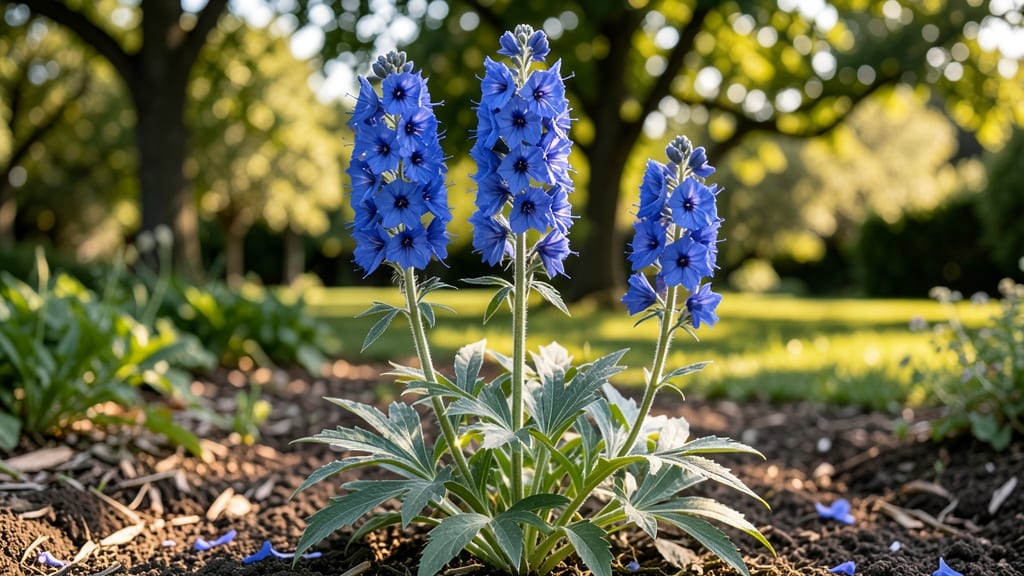
Long-stemmed blue flowers bring a cool, dreamy elegance to any garden or vase arrangement, and Delphinium 🌸 is the star of the show with its towering spikes.
Picture this: a bouquet so tall it nearly touches the ceiling, each stem packed with velvety blue blooms that last for days. That’s the magic of these varieties—whether you’re filling a vase or designing a cutting garden, they’re the game-changer for effortless sophistication.
But not all blue flowers are created equal. Some flop under their own weight, while others fade too quickly. The right choices—like cornflowers or hydrangeas—stand strong, hold their color, and pair beautifully with whites, purples, or even sunny yellows for striking contrast.
Below, I’ll walk you through the 7 best long-stemmed blues, how to grow them for maximum impact, and the secret tricks for arranging them like a pro—so your garden (and your dinner table) stays stunning all season long.
7 Best long-stemmed blue flowers for cutting gardens
Long-stemmed blue flowers are the crown jewels of any cutting garden, adding vibrant color and elegance to bouquets that last for days. These varieties not only provide stunning visual appeal but also bring a sense of tranquility and sophistication to any floral arrangement.
Whether you're growing them for professional bouquets or simply to enjoy their beauty in your garden, these blue flowers are a must-have for any gardener's collection.
Choosing the right long-stemmed blue flowers can transform your garden into a vibrant, cutting garden that yields stems perfect for arrangements. From towering delphiniums to delicate lobelia, each variety offers unique characteristics that cater to different garden styles and preferences.
Let’s explore the seven best options that will elevate your bouquets to new heights.
Below is a detailed comparison of the top-performing blue flowers with long stems, highlighting their bloom duration, height, fragrance, and ideal growing conditions. This will help you decide which varieties to include in your garden for the most stunning and long-lasting cut flowers.
How to grow and care for long-stemmed blue flowers
Growing long-stemmed blue flowers like delphiniums and cornflowers requires a few key tricks to ensure those dramatic stems stay sturdy and blooms last. The secret? Well-draining soil, consistent moisture, and strategic pruning—all while avoiding common pitfalls like overwatering or weak stems.
I’ve grown these beauties for years, and I’ll share my go-to methods for maximizing their height and vase life.
First, let’s tackle the foundation: soil. These flowers thrive in loamy, slightly alkaline soil with a pH between 6.5 and 7.5. Amend heavy clay with compost or sand to prevent waterlogging, which can cause stems to weaken.
A quick tip: mix in bone meal at planting time to boost phosphorus—this is what fuels those long, strong stems. 🌱
Now, sunlight is non-negotiable. Most long-stemmed blues demand 6+ hours of full sun daily. Without it, stems stretch weakly (a condition called "etiolation"), and blooms become sparse.
If your garden is shady, opt for varieties like lobelia, which tolerates partial shade but still delivers those coveted blue hues. ☀️
- 1 Soil Prep: Test soil pH and amend with lime if needed. Mix in compost and bone meal (1 tbsp per plant) for strong roots and stems.
- 2 Staking Early: Install tall stakes or tomato cages at planting. Delphiniums can reach 6 feet—waiting until they flop is too late!
- 3 Watering Routine: Water deeply 2–3 times per week (morning only). Let the top inch of soil dry between waterings to prevent fungal issues.
- 4 Deadheading: Snip spent blooms just above a leaf node to encourage reblooming. For cutting gardens, harvest stems when 1/3 of buds are open.
- 5 Seasonal Care: In fall, cut back delphiniums to 6 inches tall. Mulch with straw to protect roots over winter. 🌿
Pruning is where many gardeners trip up. For cutting gardens, harvest stems in the early morning when buds are just opening. Use sharp shears to cut at a 45-degree angle—this increases water uptake and vase life.
Pro move: Strip lower leaves from stems before arranging; this keeps water clean and stems hydrated longer. ✂️
Seasonal care keeps these stars performing year after year. In spring, fertilize lightly with a balanced 10-10-10 formula to kickstart growth. By summer, reduce watering slightly to harden off stems for cutting.
And in fall, don’t rush to clean up—leave seed heads for winter interest, or save seeds for next year’s garden. 🌳
With these steps, your long-stemmed blues will reward you with bouquets that rival florist displays. The key? Patience and precision—whether it’s staking, watering, or timing your cuts. Trust me, your dining table (and Instagram feed) will thank you. 💙