
Flowers
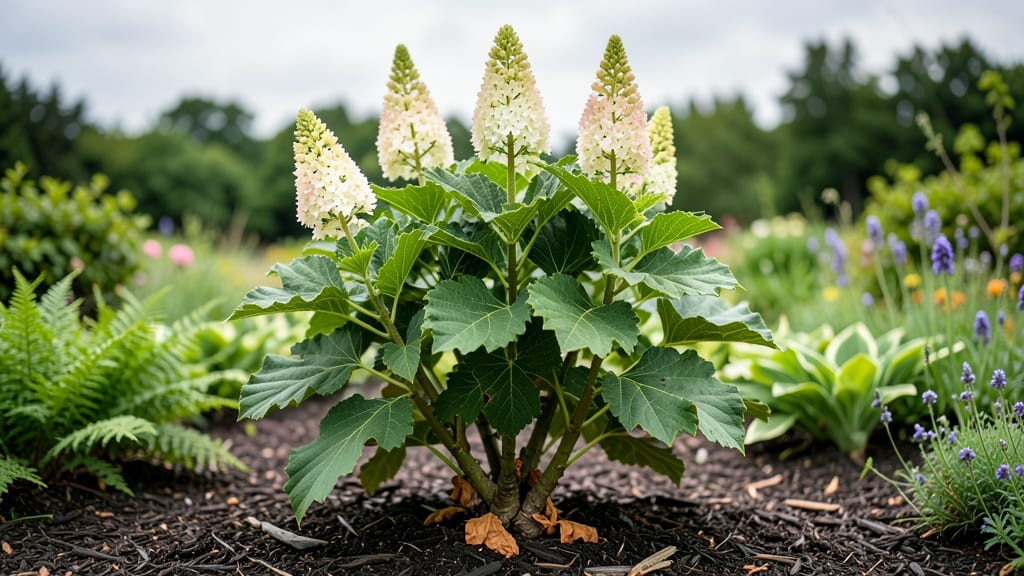
The oakleaf hydrangea flower 🌸 thrives with the right care, turning your garden into a seasonal masterpiece with its stunning blooms and vibrant foliage.
If you’ve ever watched your oakleaf hydrangea’s leaves turn dull or its blooms fade too soon, you’re not alone. The secret to keeping it vibrant lies in a smart pruning schedule—one that extends blooms, deepens foliage color, and keeps the plant healthy year-round.
This isn’t just about trimming back dead branches. It’s about understanding when to cut, how much to remove, and which techniques preserve that signature oakleaf texture while encouraging more flowers. With the right approach, your hydrangea can stay lush from spring through fall.
In this guide, I’ll walk you through a month-by-month pruning calendar, step-by-step techniques for beginners, and the most common mistakes that kill those gorgeous blooms before they even start.
Oakleaf hydrangea pruning calendar: season-by-season guide for maximum blooms
Your oakleaf hydrangea isn't just about summer blooms—its vibrant foliage steals the show year-round. The key to keeping it lush and blooming lies in a seasonal pruning schedule that balances old wood and new growth.
Unlike other hydrangeas, oakleaf varieties bloom on both old wood (last year's growth) and new wood, so timing matters. Let's break down the month-by-month tasks to maximize your plant's potential.
Pruning at the wrong time can mean fewer blooms or even dead branches. Oakleaf hydrangeas reward careful attention with longer bloom seasons and deeper fall colors. Whether you're a beginner or a seasoned gardener, this pruning calendar will help you avoid common mistakes and keep your hydrangea thriving.
Start with late winter prep and end with fall cleanup to ensure a stunning display every season.
Let's start with late winter pruning, the foundation of your oakleaf hydrangea's health. In February or early March, before buds swell, remove any dead or diseased branches. These branches won't regrow and can harbor pests.
Use clean, sharp pruners to make cuts just above a bud or lateral branch. This step ensures your plant starts the growing season strong.
As spring arrives, focus on light shaping in March or April. Remove any crossing branches or those growing inward to improve air circulation. Avoid heavy pruning now—you want to preserve last year's old wood blooms.
A gentle trim encourages a balanced shape while protecting this year's flowers. Think of it as giving your hydrangea a haircut, not a buzz cut.
When spring blooms fade in late May or June, it's time for deadheading. Simply snip off the spent flower clusters just above the first set of healthy leaves.
This encourages your plant to produce new flower buds for next season. Deadheading also keeps your hydrangea looking tidy and prevents seed formation, which drains energy from the plant.
Throughout summer, keep an eye out for weak or leggy growth. In June through August, do a light maintenance prune to shape your plant. Remove any overly long stems or branches that spoil the natural form.
Summer pruning helps maintain your hydrangea's compact shape and prevents it from becoming too top-heavy. Always use sterilized tools to avoid spreading disease.
As fall approaches, focus on rejuvenation pruning in September or October. Remove about one-third of the oldest stems at the base. These stems have already bloomed and are now exhausted.
Cutting them back stimulates new growth from the base, which will produce next year's old wood blooms. This is also when your hydrangea's foliage turns stunning shades of red and orange, so avoid heavy pruning that could reduce this seasonal spectacle.
Finally, in late fall,
How to prune oakleaf hydrangeas correctly: step-by-step techniques for beginners
Oakleaf hydrangeas stand out with their lobed, oak-like foliage and stunning seasonal blooms. But without proper pruning, they can become overgrown, lose their shape, or produce fewer flowers. The key is timing—pruning at the right season and method ensures vibrant growth and extended blooms.
Unlike other hydrangeas, oakleaf varieties bloom on both old and new wood. This means you can prune more aggressively without sacrificing next year’s flowers. However, improper cuts can stress the plant or even invite disease. Let’s break down the step-by-step process for healthy, beautiful hydrangeas.
Step-by-Step Oakleaf Hydrangea Pruning Guide
- Step 1: Prune in late winter (February-March) to remove dead or diseased branches. Use clean, sharp pruning shears to make 45-degree cuts just above a bud or node.
- Step 2: Shape the plant in early spring (April) by trimming back one-third of the oldest stems to encourage new growth. Focus on opening the center for better airflow.
- Step 3: Deadhead spent blooms in late summer (August-September) by cutting just above the first set of leaves below the flower head. This redirects energy to fall foliage color.
- Step 4: Light pruning in fall (October-November) to remove weak or crossing branches. Avoid heavy cuts—oakleaf hydrangeas need time to harden off before winter.
- Step 5: Winter prep (December-January): Apply a 2-3 inch mulch layer around the base to protect roots from freezing temperatures. Avoid pruning during dormancy.
When pruning, always use sterilized tools to prevent spreading disease. Focus on removing dead wood first, then shaping the plant for balance. Oakleaf hydrangeas respond well to regular light pruning, so don’t be afraid to trim throughout the growing season.
One common mistake is pruning too late in the season, which can stimulate tender new growth that won’t survive frost. Another is cutting back healthy stems in winter, which removes next year’s blooms. Always prioritize health over aesthetics—your hydrangea will thank you with bold foliage and abundant flowers.
Pro tip: Take a photo of your hydrangea before pruning to visualize the ideal shape. This helps you make confident cuts and avoid over-pruning. With practice, you’ll develop an eye for what looks best while keeping the plant thriving for years.
Remember, oakleaf hydrangeas are low-maintenance once established. A little attention during the growing season ensures they’ll reward you with vibrant blooms and stunning fall foliage every year. Happy pruning! 🌿