
Flowers
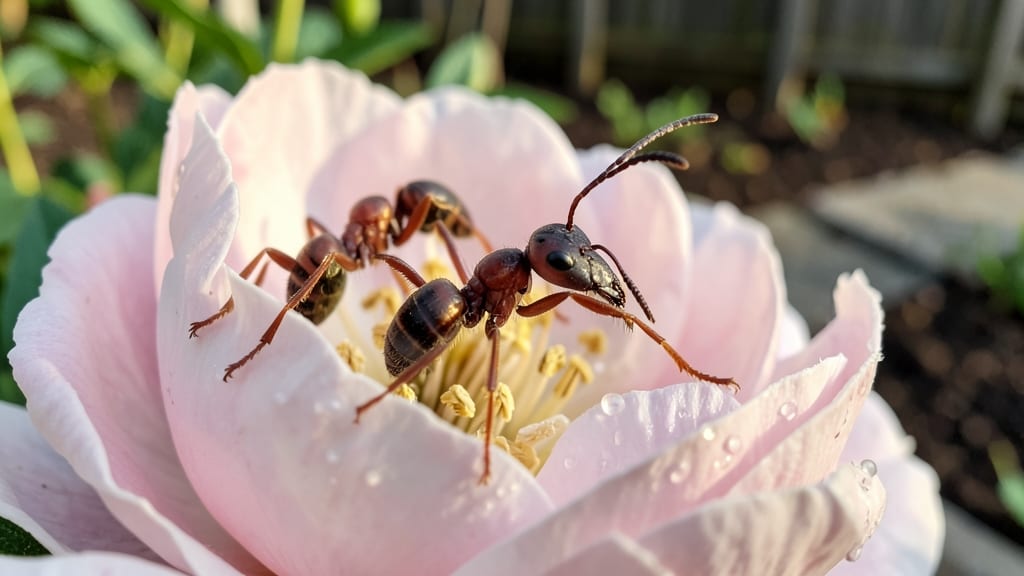
Peony ants on flowers can turn your garden’s showstopper blooms into a sticky, ant-infested mess—fast.
Picture this: you’ve waited all spring for your 🌸 peonies to burst into color, only to find tiny black ants marching across petals, leaving behind a shiny residue that ruins the beauty.
These aren’t just garden pests—they’re troublemakers that weaken your plants and attract even more unwanted visitors. The good news? You can take control without harsh chemicals or costly treatments.
In this guide, I’ll walk you through how to spot these ants early, understand what damage they’re really doing, and use simple, effective methods to kick them out for good.
Whether you’re dealing with a small cluster or a full-blown invasion, these steps will help you protect your peonies—and your sanity.
From natural repellents to long-term prevention, you’ll learn exactly what works in Zone 6a gardens (and beyond) so your flowers stay ant-free and stunning all season.
How to identify peony ants and their harmful effects on flowers
When you spot tiny black ants crawling over your peony blooms, they’re likely peony ants (Lasius niger), a common but destructive garden pest.
These ants don’t just steal your flowers’ beauty—they create a harmful ecosystem that weakens plants. Recognizing them early helps you protect your garden before damage spreads.
Peony ants are 1/8-inch long with a shiny black body and a single node between their thorax and abdomen. Unlike harmless ants, they form organized trails to peony buds, often accompanied by aphids they "farm" for honeydew. Their presence signals a hidden threat to your prized flowers.
The most obvious sign of peony ants is a black, sticky residue on peony leaves and buds—this is honeydew, a sugary waste product from aphids the ants protect. Over time, honeydew fosters sooty mold, a black fungal growth that blocks sunlight and stunts flower development.
Look for aphids clustered on peony buds—these tiny green or yellow pests are the ants’ "livestock." The ants guard aphids from predators, creating a mutualistic relationship that harms your plants. Without intervention, infested peonies may produce smaller, deformed blooms or fail to open entirely.
Peony ants often nest near mulch piles, garden borders, or under peony roots. Check for tiny holes or crumbly soil where they’ve tunneled. Unlike other ants, they rarely venture far from their trails, making them easier to track and eliminate once you spot their pathways.
If you notice yellowing leaves or stunted growth on your peonies, it could be a sign of nutrient depletion caused by ants. They disrupt root systems while harvesting sap, leaving plants vulnerable to disease. Early detection is key—waiting too long allows the ants to establish larger colonies.
One of the most damaging effects is bud blast, where peony buds rot before opening. This happens when ants introduce harmful bacteria or fungi through their foraging. Healthy peonies should produce vibrant blooms, but infested plants may struggle to reach full bloom potential.
To confirm peony ants, observe their behavior for 30 minutes. If they’re moving in a straight line toward flowers while tending aphids, it’s a clear sign of an infestation. Use a magnifying glass to check for the single node on their bodies—a key identifier.
Don’t ignore these ants—they’re not just a nuisance; they’re a threat to your peonies’ health. Addressing the issue early with targeted removal methods can save your flowers and prevent long-term damage. In the next section, I’ll share safe, effective ways to eliminate peony ants without harming your garden ecosystem.
Safe and effective methods to remove peony ants from your garden
When you spot tiny black ants crawling across your 🌸 peony blooms, your first instinct might be to reach for harsh chemicals. But there are safer, equally effective ways to evict these pests without harming your garden’s ecosystem.
The key is acting quickly—ants leave behind honeydew, a sticky residue that attracts sooty mold and weakens your plants. Let’s explore the best methods to remove them for good.
Start with natural repellents like vinegar or diatomaceous earth, which disrupt ant trails and nests without toxicity. For more stubborn infestations, combine these with physical barriers like copper tape or sticky traps.
Organic pesticides such as neem oil or insecticidal soap can also target ants while protecting beneficial insects. The goal? A peony-friendly solution that keeps your flowers thriving.
✅ Non-toxic
✅ Affordable
✅ Eco-friendly
❌ Requires reapplication
❌ Less effective for large colonies
✅ Long-lasting
✅ No chemicals
✅ Targets nests
❌ Can be expensive
❌ May need frequent checks
✅ Fast-acting
✅ Targets ants specifically
✅ Safe for most plants
❌ May harm beneficial insects
❌ Requires careful application
For vinegar solutions, mix equal parts white vinegar and water in a spray bottle. Target ant trails and nest entrances directly—this disrupts their scent trails and deters them from returning. Reapply every few days, especially after rain. Diatomaceous earth, a fine powder, works by dehydrating ants.
Sprinkle it around peony stems, the base of the plant, and along garden edges. Just be sure to reapply after watering, as it loses effectiveness when wet.
Physical barriers like copper tape or sticky traps are excellent for preventing ants from climbing onto your peonies. Wrap copper tape around stems or place sticky traps near ant trails. Copper emits a mild electric current that ants avoid, while traps capture them without chemicals.
For larger infestations, consider neem oil or insecticidal soap. These organic options kill ants on contact while being gentle on your plants and the environment.
Don’t forget about natural predators like ladybugs and birds, which can help keep ant populations in check. Planting mint, garlic, or thyme near your peonies also deters ants with their strong scents.
Combine these methods for the best results—consistency is key to keeping your garden ant-free and your peonies looking their best.
Once you’ve removed the ants, focus on long-term prevention. Keep your garden tidy by removing debris where ants nest, and ensure proper drainage to discourage moisture-loving pests. With these strategies, you’ll enjoy ant-free peonies that bloom beautifully all season. 🌿