
Blooming
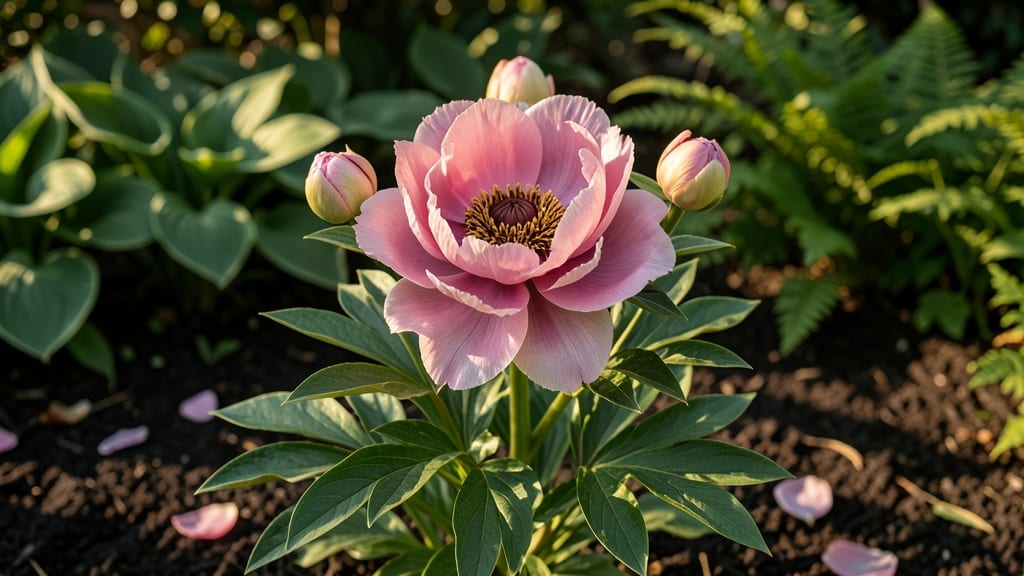
The peony flower blooming season is a garden highlight you won’t want to miss—those lush, fragrant blooms transform your yard into a romantic retreat.
But here’s the catch: timing everything right can mean the difference between a breathtaking display and a missed show. If you’ve ever waited eagerly for your 🌸 peonies to burst into color, only to find they’re already fading, you’re not alone.
Peonies typically bloom between late April and June, but the exact timing depends on your variety and USDA zone. Early bloomers like ‘Sarah Bernhardt’ might start in April, while late varieties like ‘Bowl of Beauty’ peak in June.
Below, I’ll break down the exact months for your favorite types, how climate affects bloom windows, and 5 pro tips to extend their season naturally—so you can enjoy those velvety petals for weeks.
Peony flower blooming season by variety: when to expect blooms
Peonies are one of the most anticipated spring bloomers, offering lush, fragrant flowers that transform gardens into vibrant canvases. But not all peonies bloom at the same time—herbaceous, tree, and intersectional varieties each have distinct bloom windows.
Understanding these differences lets you plan companion plants and extend your garden's color palette from early spring to late summer.
Most gardeners expect peonies to bloom in late spring to early summer, but the exact timing depends on your USDA hardiness zone and the specific variety.
For example, early bloomers like 'Sarah Bernhardt' can appear as early as late April in warmer zones, while late-season varieties like 'Bowl of Beauty' may linger until June or even July in cooler climates.
Herbaceous peonies (the most common type) typically bloom from mid-April to June, while tree peonies often flower 1-2 weeks earlier in spring. Intersectional hybrids (a cross between herbaceous and tree peonies) can bridge these timelines, offering blooms from late April through July. This variety-specific timing is key to creating a sequential bloom display in your garden.
If you're in USDA Zone 5 or colder, expect blooms to arrive 2-4 weeks later than in Zone 7 or warmer.
For example, a Zone 5 garden might see 'Sarah Bernhardt' bloom in late May instead of April. Tree peonies are particularly sensitive to cold snaps—planting them in sheltered microclimates can encourage earlier blooms by 10-14 days.
For extended bloom seasons, pair early bloomers like 'Bartzella' with late varieties such as 'Bowl of Beauty'. This creates a continuous floral display from late March through July.
Additionally, intersectional hybrids like 'Coral Charm' often rebloom in late summer, adding unexpected color to your garden when other perennials have faded.
Pro tip: Deadhead spent blooms on herbaceous peonies to encourage a second flush of flowers, especially in warmer climates (Zones 7-9). However, avoid this with tree peonies, as their seed pods add winter interest and attract wildlife.
Understanding these variety-specific habits helps you maximize your peony garden's impact throughout the growing season.
One common mistake is assuming all peonies bloom at the same time. In reality, herbaceous peonies often bloom 1-2 weeks after tree peonies in the same garden. This staggered timing is why many gardeners plant multiple varieties—to create a prolonged, eye-catching display. For instance, 'Duchesse de Nemours'
How USDA zones affect peony bloom timing: adjusting for climate
Your USDA zone plays a huge role in when your 🌸 peonies bloom. In colder zones like 3–5, blooms often arrive 2–4 weeks later than in warmer zones 6–9.
This delay happens because peonies need consistent chilling hours to trigger buds, and colder climates provide more of these critical hours.
For example, gardeners in Zone 5 might see their 'Sarah Bernhardt' peonies open in early May, while those in Zone 8 could enjoy them as early as late March. Understanding these differences helps you time plantings and adjust care for reliable blooms every year.
To help peonies bloom on time in colder zones (3–5), plant crowns 1–2 inches deeper than in warmer areas. This extra depth insulates roots from freeze-thaw cycles and encourages stronger growth. Pair this with a 3–4 inch layer of mulch (straw or shredded leaves) to protect roots during winter.
In warmer zones (6–9), peonies may need afternoon shade to prevent bud drop from heat stress. Choose varieties like 'Bowl of Beauty' or 'Coral Charm', which thrive in heat and bloom reliably. Water deeply once a week during dry spells to maintain consistent moisture.
For Zone 4–5 gardeners, early spring is the best time to fertilize lightly (use a 10-10-10 balanced fertilizer) to jumpstart growth. In Zone 8–9, avoid fertilizing after early June to prevent late-season growth, which can damage buds before winter.
No matter your zone, always prune peonies after blooming (late June–July) to maintain plant health and encourage next year’s flowers. This simple step ensures your peonies stay vigorous and bloom reliably for decades.