
Blooming
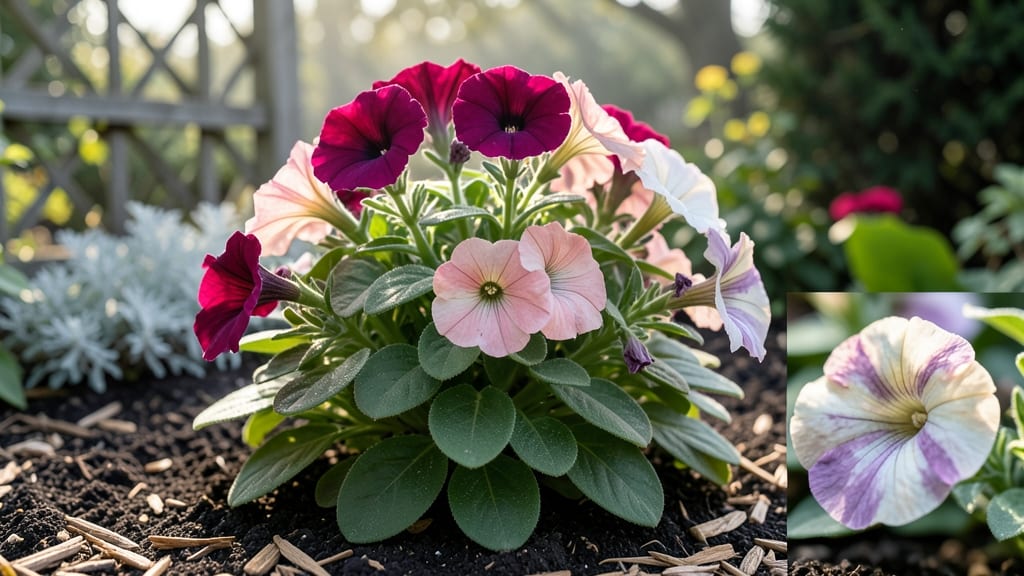
Your petunia flowering season stretches from early summer through crisp fall 🌸, but the exact months depend on where you live—and a few simple tweaks can turn a 6-week burst of color into a 4-month nonstop show.
Picture this: You’ve just planted your petunias after the last frost, and by June, your garden is already bursting with vibrant blooms. But here’s the catch—if you don’t know your zone or how to coax them along, those flowers might fade faster than you’d like.
In USDA Zone 6a, like many temperate regions, petunias typically start blooming in June and keep going until the first frost in October. However, tropical zones like Florida or Hawaii can enjoy petunias year-round with the right care, while cooler climates might see a shorter window.
Below, I’ll break down the exact months for peak color by region, plus the easiest tricks to extend their flowering season—so you can enjoy those showstopping blooms for as long as possible.
Petunia flowering season timeline by USDA hardiness zones
Petunias are the star performers of summer gardens, but their blooming windows vary dramatically across the USDA hardiness zones. Whether you're in cold Zone 3 or warm Zone 11, understanding these seasonal patterns helps you plan for nonstop color.
Let's break down the exact months when petunias burst into bloom, including early, peak, and late-season windows tailored to your region.
In northern zones (3-5), petunias typically bloom from late June through September, while southern zones (8-11) enjoy year-round flowering with minimal dormancy. The key difference? Temperature sensitivity—petunias thrive in warmth (60°F+) and struggle with frost or extreme heat.
This zone-by-zone guide ensures you never miss a single bloom, even if you're a first-time gardener.
Pro Tip: Use this timeline to time your plantings for maximum impact. For example, Zone 7 gardeners can plant early varieties in April and late varieties in July for a continuous color show.
| USDA Zone | Early Blooms | Peak Blooms | Late Blooms | Season Notes |
|---|---|---|---|---|
| Zone 3-4 | Late June | July - August | Early September | Start seeds indoors by March. Use black fabric mulch to extend season. |
| Zone 5-6 | Mid-May | June - September | Late October | Plant after last frost (May 15). Deadhead weekly for longer blooms. |
| Zone 7-8 | Early April | May - October | November | Year-round blooms possible with fall/winter protection. |
| Zone 9-10 | February | March - November | December | Plant year-round. Shade cloth in summer prevents heat stress. |
| Zone 11 | Year-round | Year-round | Year-round | No dormancy. Prune heavily every 6 weeks for bushier growth. |
In Zone 3-4, where winters are harsh, petunias are treated as annuals—plant them after Memorial Day for summer-long color. The first blooms appear in late June, with peak performance from July to August.
If you live in Zone 5-6, you're in luck: petunias start blooming as early as mid-May and can continue until late October with proper care.
For Zone 7-8 gardeners, petunias are summer superstars with early blooms in April and late blooms extending into November. This is the ideal zone for fall planting—try seeding Supertunia varieties in late summer for winter color in milder microclimates.
In warmer zones (9-11), petunias bloom year-round, but their peak season shifts to spring and fall when temperatures are mild (60°F-85°F). Zone 11 gardeners can enjoy continuous blooms with minimal care, but heat stress above 90°F can cause bud drop.
Regional Tip: If you're in Zone 7 but experience hot summers, provide afternoon shade to
How to extend your petunia flowering season naturally
Petunias are summer’s star performers, but their natural flowering season can feel short-lived if you don’t give them the right care. With a few simple tweaks, you can turn that 6-week burst of color into a 4-month garden highlight.
The key lies in understanding their needs and adjusting your care routine seasonally.
Think of petunias as high-maintenance divas—they demand attention but reward you with bold blooms if you meet their needs. From deadheading to strategic sunlight adjustments, these techniques will keep your petunias flowering like clockwork. Let’s dive into the easiest ways to extend their season naturally.
- Deadhead daily – Snip off spent blooms to redirect energy into new flowers. Use clean pruners to avoid disease.
- Fertilize every 4-6 weeks – Use a balanced 10-10-10 fertilizer to boost blooms. Skip winter feeding.
- Ensure 6+ hours of sun – Move containers or prune nearby plants to guarantee full sun exposure daily.
- Water at soil level – Avoid wetting leaves to prevent powdery mildew. Water early morning for best results.
- Plant in spring and fall – For cooler climates, fall-planted petunias often bloom until frost, while spring plantings start earlier.
Deadheading is the single most effective trick for prolonging blooms. When you remove faded flowers, you’re telling your petunia to stop wasting energy on seed production and focus instead on producing new buds.
I like to do this first thing in the morning—it keeps my garden looking fresh all day and gives the plants a head start for the next bloom cycle.
Fertilizer plays a crucial role too. Petunias are heavy feeders, especially during their peak blooming months. A balanced 10-10-10 fertilizer applied every 4-6 weeks keeps them thriving.
In late summer, switch to a low-phosphorus fertilizer to encourage more blooms instead of foliage. Just remember: never fertilize in winter when the plant is dormant.
Sunlight is another game-changer. Petunias crave full sun, but if your garden is shady, you can still make it work. Try reflective surfaces like white mulch or light-colored containers to bounce extra light onto your plants.
For container gardeners, rotating pots every few weeks ensures even sun exposure all around.
Seasonal care adjustments make all the difference. In spring, focus on establishing strong roots with light feeding. By summer, ramp up fertilizing and watering to support continuous blooming.
As fall approaches, reduce feeding and watering slightly to prepare plants for dormancy—this helps them bounce back stronger next season.
With these techniques, your petunias will keep blooming well into October in most regions, and with the right varieties, you might even sneak in a few extra weeks of color.
The secret? Consistency in care and a little extra attention when it counts. Your garden will thank you with a nonstop parade of petunia perfection all season long. 🌸