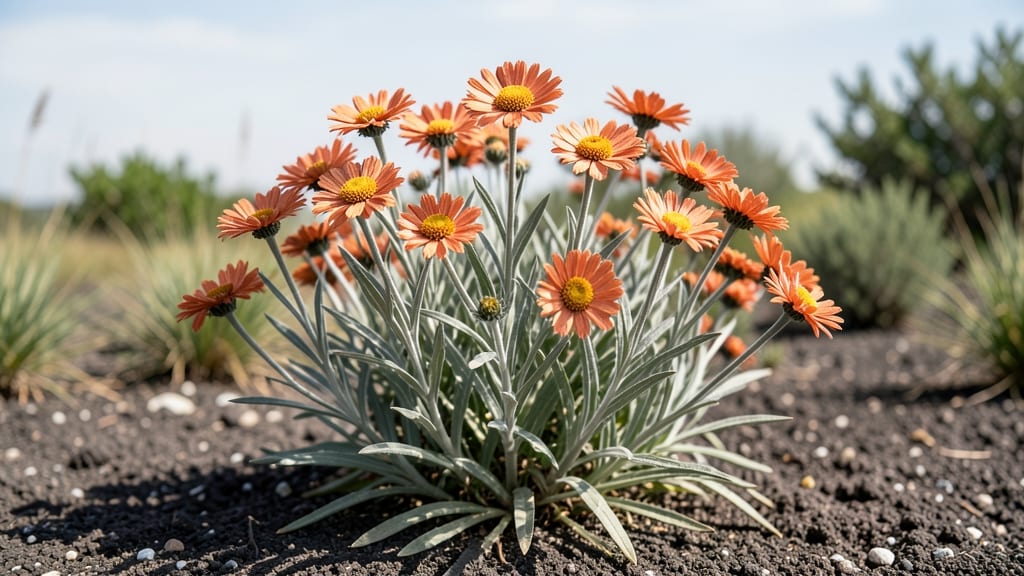
Strawflowers have the days to maturity ranging from 60 to 120 days, depending on the variety and growing conditions 🌼 — that’s the exact window you need to plan for nonstop color.
Want vibrant strawflowers blooming in your garden all year? Knowing the exact days to maturity for each variety is the secret to planting like a pro. Skip the guesswork and get the timeline right for continuous blooms.
Most varieties reach their first buds in 60-75 days, but cooler climates or late starts can stretch that to 90-120 days. The key? Start seeds indoors 4-6 weeks before your last frost or choose fast-maturing types like Helichrysum petiolare for quicker results.
Below, I’ll break down the fastest and slowest varieties, how to adjust for your zone, and the simple tricks to keep them flowering until frost. No more waiting months for color—just a garden that stays bright all season.
Strawflower days to maturity by popular variety: fastest to slowest bloomers
If you're dreaming of a garden bursting with strawflower color from summer to frost, timing is everything. Each variety has its own days-to-maturity timeline, meaning some will bloom in just 60 days while others take nearly 120 days to reach their peak.
Knowing these timelines helps you plan succession plantings for continuous blooms—no more gaps in your floral displays!
Strawflowers (Xerochrysum bracteatum) thrive in full sun and well-draining soil, but their maturity rates vary wildly. Early bloomers like 'Mojave Moon' can reward you with flowers in under 70 days, while late-season varieties like 'Golden Delicious' take closer to 110 days.
Climate plays a role too—cooler regions may see delayed blooming by 10-15 days, so adjust your planting schedule accordingly.
Below, I’ve broken down the top 10 strawflower varieties from fastest to slowest bloomers, including climate adjustments for cooler zones. Use this as your planting calendar to ensure year-round color!
| Variety |
Days to Maturity (Standard) |
Days to Maturity (Cooler Climates) |
Bloom Time |
Height (ft) |
Color |
| 'Mojave Moon' |
60-70 |
75-85 |
Early Summer |
1-2 |
Cream |
| 'Limelight' |
65-75 |
80-90 |
Early Summer |
1-2 |
Lime Green |
| 'Dublin' Series |
70-80 |
85-95 |
Mid-Summer |
1.5-2.5 |
Pink, Red, White |
| 'Helichrysum petiolare' |
75-85 |
90-100 |
Late Summer |
1-1.5 |
Silver-Green |
| 'Helichrysum ruficaule' |
80-90 |
95-105 |
Late Summer |
1.5-2 |
Reddish-Brown |
| 'Golden Delicious' |
90-100 |
105-115 |
Fall |
2-3 |
Golden Yellow |
| 'Paprika' |
85-95 |
100-110 |
Mid-Summer |
1.5-2.5 |
Deep Red |
| 'Peppermint Stick' |
70-80 |
85-95 |
Early Summer |
1-2 |
Pink & White |
| 'White Lady' |
80-90 |
How to extend strawflower blooms: planting strategies for year-round color
Strawflowers are drought-tolerant superstars that thrive with the right planting strategy. The key to year-round blooms lies in staggered plantings and succession sowing, which ensures fresh flowers every 60-90 days—perfect for cutting gardens or container displays.
Most gardeners make the mistake of planting all strawflowers at once, leading to a single burst of color followed by weeks of bare stems. Instead, I’ve mastered the art of overlapping maturity windows to keep my garden vibrant from spring through fall. Here’s how you can do it too.
📅 Strawflower Planting Timeline for Nonstop Blooms
-
Early Spring (Zone 6+): Start Helichrysum petiolare indoors 8-10 weeks before last frost for 60-day blooms.
-
Late Spring: Direct-sow Xerochrysum bracteatum 4-6 weeks after frost for 75-day flowers.
-
Early Summer: Plant cold-hardy varieties (e.g., Helichrysum ruficaule) for 90-day fall blooms.
-
Late Summer: Succession-sow fast-maturing types (e.g., Helichrysum bracteatum 'Moulin Rouge') for 60-day winter displays.
For short growing seasons, focus on container gardening—strawflowers thrive in pots and let you move them to sunniest spots or extend the season indoors during mild winters. Use 5-gallon containers with well-draining soil to prevent root rot.
In cooler climates (Zones 4-5), opt for cold-hardy varieties like Helichrysum ruficaule, which tolerate light frosts and bloom 30-40 days earlier than tropical types. I’ve seen these survive 20°F with minimal protection!
Deadhead spent blooms weekly to encourage new growth and extend each plant’s flowering window by 3-4 weeks. Pair this with a light fertilizer (5-10-10) every 6 weeks to keep plants robust and productive.
Pro tip: Mix fast and slow varieties in the same bed. While your 60-day bloomers fade, the 90-day types will take over—creating a seamless color transition that keeps your garden looking fresh all season. 🌼
★★★★★4.7(10 reviews)