
Blooming
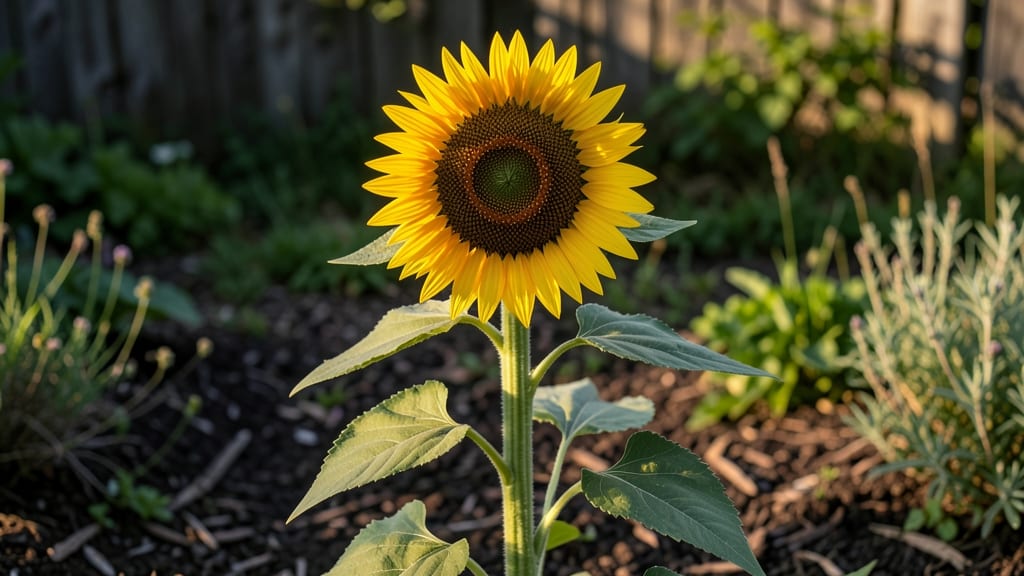
Sunflowers bloom in season when planted at the right time — but timing isn’t one-size-fits-all, especially for those towering varieties you’ve been dreaming of.
Picture this: you’ve spent months nurturing a 10-foot giant 🌻, only to watch it bolt into a sad, skinny stalk with no blooms. That’s what happens when you miss your zone’s exact blooming window—or worse, plant at the wrong time for your climate.
Here’s the good news: with the right planting dates, soil prep, and a few pro tricks, you can stretch your sunflower blooming season from early summer to late fall, even in USDA Zone 6a or hotter regions.
Below, I break down the exact months for peak flowering by zone, how to extend the season without stunting growth, and the three biggest mistakes that cut blooms short—so you end up with a field of golden glory, not disappointment.
Sunflower blooming season by USDA Zone: exact months for peak flowering
Sunflowers are nature's skyscrapers, but their blooming timeline shifts dramatically across USDA zones. In Zone 3, you might see your 'Mammoth' sunflowers peak in late July, while Zone 10 gardeners enjoy continuous blooms from June through October.
These differences come down to heat accumulation and daylength sensitivity—critical factors for towering varieties that need 100+ frost-free days to reach maturity.
For towering sunflowers like 'Russian Giant' or 'American Giant', timing is everything. Plant too early in cold zones, and you risk bolting before full height. Plant too late in warm zones, and you'll miss the optimal 70-80°F range that triggers rapid stem elongation.
Let's break down the exact blooming windows by zone, plus how to adjust planting dates for maximum height potential.
In Zones 3-4, where summers are short, I recommend starting seeds indoors 4-6 weeks before your last frost date. Use grow lights to simulate long daylight hours, which helps 'Mammoth' sunflowers reach their 12-14 foot potential before the first frost.
For Zone 5-6 gardeners, the 70-day variety window means you can plant in two waves: early May for July blooms and late May for August.
For towering varieties, heat is your ally—but only if it's consistent. Sunflowers need average daytime temps above 75°F for 4-6 weeks to trigger that dramatic height spurt.
In Zones 7-8, where heat arrives early, I plant 'Russian Giant' seeds in mid-April to give them a 100-day head start. If your area has humid summers (like Zone 8's coastal regions), space plants 3 feet apart to prevent fungal diseases that can stunt growth.
Humidity zones like Zone 9-10 offer the longest blooming windows, but they come with challenges. In Florida or Southern California, sunflowers can bloom year-round if planted in winter.
However, excessive humidity (above 70%) increases leaf spot risk. My solution? Plant 'ProCut' hybrid varieties, which have disease-resistant foliage, and water at the base using drip irrigation.
Drought-prone areas like Arizona or New Mexico require a different approach. Here, sunflowers bloom later in the season (August-September) to avoid 100°F+ heat. I've had success with succession planting every 3 weeks from March to May, ensuring a continuous display while conserving water.
Always mulch with straw to lock in moisture—this can double your blooming window in arid climates.
One common mistake I see is assuming all sunflowers bloom at the same time. In reality,
How to extend sunflower blooming season for continuous towering heights
Sunflowers thrive on timing, but their natural blooming window can feel disappointingly short—especially when you’ve invested in towering varieties like 'Mammoth' or 'Russian Giant'. The secret to extending their glory lies in succession planting, soil temperature tricks, and strategic companion planting.
Even in USDA Zone 4, where late frosts threaten growth, these methods can stretch your sunflower season from early summer to late fall.
First, let’s address the biggest hurdle: late frosts. In cold zones, a single unexpected frost can turn your towering stalks into stunted shrubs. The key is planting in stages—not all at once—and using row covers to protect young sprouts.
This way, you’ll have blooms appearing every 2-3 weeks instead of one big, short-lived show.
Here’s how to maximize your sunflower season with proven strategies:
Succession Plant Every 2 Weeks
Sow seeds in 2-week intervals from May to July. This ensures a continuous bloom cycle instead of one peak season.
Warm Soil for Faster Germination
Sunflower seeds need soil temps above 55°F. Use black plastic mulch or cold frames in early spring to jumpstart growth.
Companion Plant with Borage
Borage repels pests and improves soil structure. Pair it with sunflowers to reduce bolting and extend blooming.
Protect from Late Frosts
Use frost cloth or row covers on young plants in Zone 4. Remove covers once soil temps stay above 60°F.
Deadhead for Second Blooms
Remove spent blooms to redirect energy to side buds, encouraging a second flush of flowers.
For Zone 4 gardeners, timing is everything. Start your first batch in late May when soil temps are consistently above 55°F, then follow with 2-week intervals until early July.
This staggered approach ensures blooms appear from July through September, giving you a 3-month display instead of a 2-week show.
Don’t overlook the power of companion planting. Marigolds and nasturtiums deter pests like sunflower moths, while beans fix nitrogen in the soil, giving your towering giants the nutrients they need to keep growing tall and strong.
In hotter zones (8-10), focus on shade cloth during peak afternoons to prevent bolting.
With these strategies, your sunflower garden will be a golden spectacle from summer to fall—no sad, stunted stalks in sight! 🌻