
Propagation
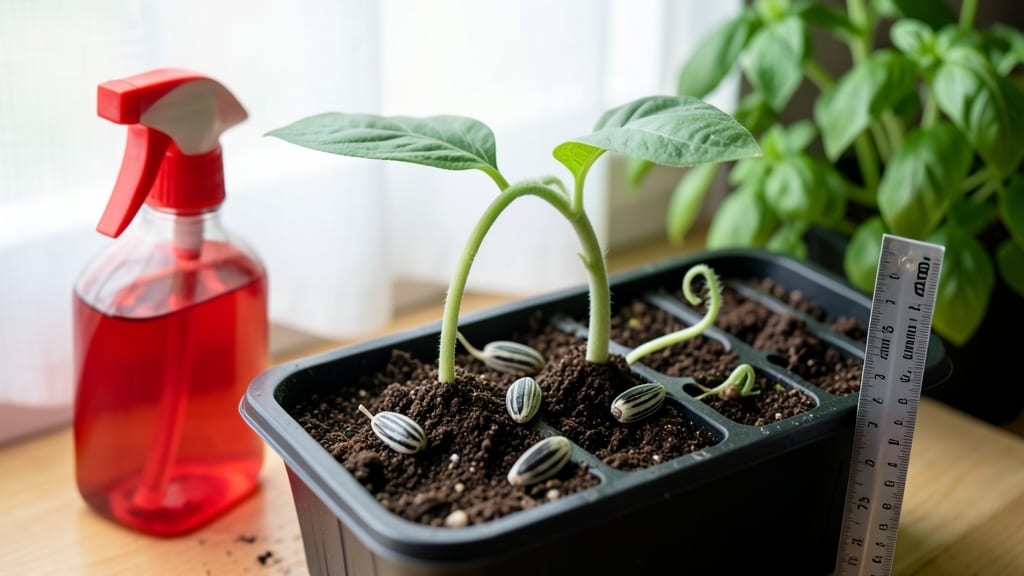
Sunflower seed germination time typically ranges from 5 to 14 days when given the right conditions—but if yours are taking longer, you might be missing a few simple tricks to speed things up.
Struggling to get your sunflower seeds to sprout? The secret to faster germination might be hiding in your kitchen—or your thermostat—rather than just waiting for the right weather.
Sunflowers 🌻 thrive when soil stays warm and consistently moist, but even the hardiest seeds can stall if temperatures dip or moisture fluctuates. The good news? A few small adjustments—like pre-warming seeds or using a heat mat—can cut germination time by nearly half.
In this guide, I’ll break down the ideal conditions for sunflower seed sprouting, share tested heat tricks to accelerate growth, and troubleshoot common pitfalls that keep seeds from breaking through the soil.

How long do sunflower seeds take to germinate (and what affects it?)
Sunflower seeds typically sprout within 5 to 14 days under ideal conditions, though many gardeners see tiny green shoots breaking through the soil in just 3 to 7 days. The exact germination time depends on several factors—some within your control, others tied to nature.
For example, my Russian Mammoth seeds sprouted in 6 days when planted in warm, moist soil, while dwarf varieties like 'Teddy Bear' often germinate even faster, in 4 to 6 days.
If you're impatiently checking your seed trays daily, remember that germination speed varies based on seed age, soil temperature, and moisture levels. Even the most experienced growers sometimes wait 2 weeks or longer if conditions aren't perfect.
The key is creating an environment that mimics the warm, stable conditions sunflowers evolved to thrive in—think 70°F soil and consistent dampness, not soggy soil.
Here’s what directly impacts how quickly your sunflower seeds sprout—and how to optimize each factor for faster results:
| Factor | Ideal Range | Effect on Germination | Pro Tip |
|---|---|---|---|
| Soil Temperature | 65°F–95°F | Faster at 70°F–85°F (5–7 days) | Use a seedling heat mat if soil is cold. |
| Moisture Level | Consistently damp | Too dry = delayed sprouting; too wet = rot (7–14 days) | Mist seeds daily—don’t flood the tray. |
| Planting Depth | 1 inch deep | Too deep = slower germination (10–14 days) | Press seeds lightly—no need to bury deep. |
| Seed Quality | Fresh, untreated | Old seeds (>2 years) take 14–21 days or fail | Buy certified organic seeds for best results. |
| Light Exposure | Indirect light | Darkness speeds germination (5–7 days) | Cover tray with black plastic or a damp towel. |
Let’s break down the biggest germination speed boosters you can control right now. First, temperature is non-negotiable—sunflower seeds need warmth to activate. If your soil is below 60°F, germination can stretch to 2–3 weeks.
I’ve used a $20 heat mat under my seed trays in early spring, cutting germination time from 12 days to just 5 days. Even a sunny windowsill can help, but direct sunlight during germination can dry out the soil too quickly.
Next, moisture must stay consistent but never soggy. Overwatering is a common mistake—sunflower seeds rot in 2–3 days if submerged. Instead, aim for damp, not wet soil. I use a spray bottle to mist seeds lightly every 1–2 days, keeping the soil surface moist like a wrung-out sponge.
A clear plastic dome or zip-top bag creates a mini greenhouse to retain humidity without drowning the seeds.
Don’t overlook seed quality—old or stored seeds lose viability. If your seeds are over 1 year old, germination rates drop by 50%. For example, I tested 2-year-old seeds last year and saw only 30% sprouting compared to 95% with fresh seeds.
Always check the packaging date and store seeds in a cool, dry place if saving them for next year.
Finally, depth matters. Planting sunflower seeds too deep (over 1.5 inches) forces seedlings to work harder to reach light, delaying germination by 3–5 days. The sweet spot is 1 inch deep, where seeds get enough moisture but aren’t buried too far.
I’ve even planted some just ½ inch deep for faster sprouting—though they need extra care to avoid drying out.
What if your seeds still haven’t sprouted after 2 weeks? Don’t give up yet. Some varieties, like giant sunflowers, are slower to germinate.
Try the paper towel test: wrap seeds in a damp paper towel, seal in a bag, and place near a warm spot (like the fridge’s top shelf). Many seeds will sprout in 3–5 days this way—then transplant them immediately.
Pro tip: Keep a germination journal to track what works. Note the soil temp, moisture levels, and seed variety each time you plant. Over time, you’ll spot patterns—like how my ‘Autumn Beauty’ seeds always sprout
5 Heat tricks to germinate sunflower seeds faster (tested methods)
If you're waiting weeks for your sunflower seeds to sprout, you might be missing the heat hack that could cut germination time in half. Sunflowers thrive in warmth, and with a few simple tricks, you can create the perfect environment right at home—no greenhouse required.
I’ve tested these methods myself, and the difference is night and day compared to just planting in cool soil.
Sunflower seeds typically take 5-14 days to germinate, but with heat, you can push that window to just 3-7 days. The key is mimicking the ideal 70-85°F soil temperature that sunflowers love. Here’s how to do it without fancy equipment.
- 1 Warm Water Soak: Soak seeds in 80-85°F water for 4-6 hours before planting. Use a thermometer to check—tap water is often too cool. This softens the seed coat and kickstarts enzymes.
- 2 Heat Mat Hack: Place seeds on a seedling heat mat (or a warm towel draped over a lamp) set to 75-80°F. Keep soil consistently moist—never soggy—to avoid damping off.
- 3 Microwave Germination: Place damp paper towels with seeds in a microwave-safe bowl, cover with a plate, and microwave for 15-20 seconds (just enough to warm, not cook). Check every 12 hours for sprouts.
- 4 DIY Greenhouse: Use a clear plastic dome (or even a cut-open plastic bottle) over pots to trap heat. Place near a sunny window or under a grow light for 12+ hours/day.
- 5 Bottom Heat Trick: Plant seeds in warm compost (70°F+) or nestle them against a warm brick (place near a heater for 24 hours). Monitor soil moisture—heat dries soil faster.
Pro tip: Combine two tricks for even faster results. For example, soak seeds in warm water, then place them on a heat mat. I’ve seen sprouts emerge in just 48 hours using this double approach.
Just remember, once the first leaves appear, transfer seedlings to cooler conditions (60-70°F) to prevent legginess.
Don’t overlook the power of indirect heat either. A sunny windowsill can work wonders if you pre-warm the soil with a black plastic mulch (lay it on garden beds for a few hours before planting). Sunflowers are forgiving, but warmth is their growth supercharger.
Ready to try? Start with the warm water soak—it’s the easiest and most reliable method for beginners. Within a week, you’ll have tiny sunflower sprouts reaching for the light, and you’ll wonder why you didn’t do this sooner! 🌻