
Planting
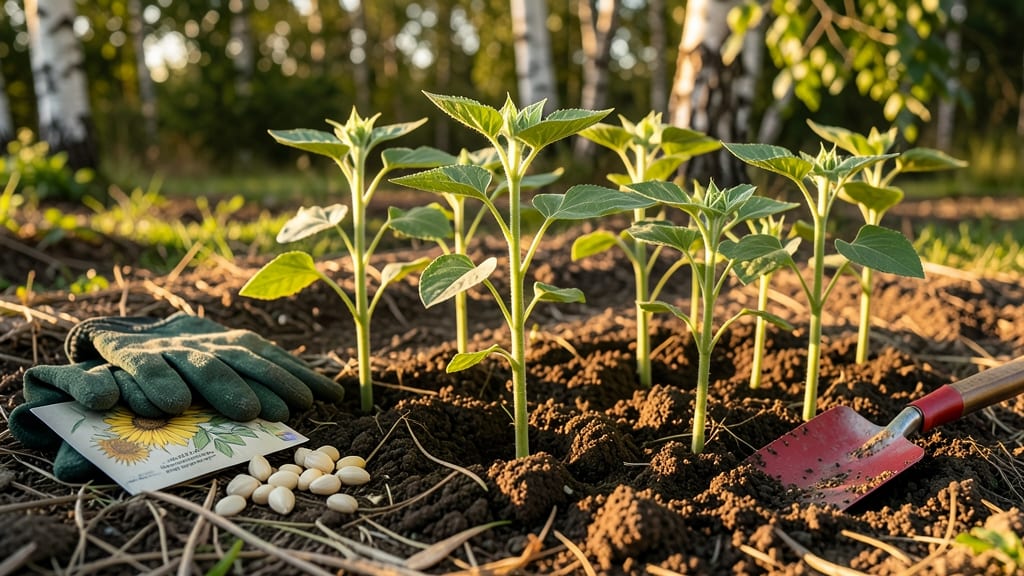
Planting sunflowers at the right time of year ensures those towering 🌻 blooms you dream of—so you’re not left with stunted stalks or waiting months for flowers.
Here’s the catch: sunflowers demand warmth, and planting too early in cool zones means frost will kill seedlings, while late starts in hot climates can leave you with leggy, weak plants.
The key is aligning your planting window with your USDA zone’s last frost date—whether you’re in chilly Zone 6a or a balmy southern region.
In most areas, the ideal window is April through May, but that shifts to late May or even June in warmer climates.
I’ll break down the exact months for your zone, plus pro tips to adjust for early blooms or late-season growth so you can enjoy sunflowers from summer through fall.
You’ll also learn how to prep soil, avoid common mistakes, and keep those stalks reaching for the sky—without wasting a season on trial and error.

Best planting months for sunflowers by USDA Zone: a region-by-region breakdown
Timing is everything when it comes to growing sunflowers.
These sun-loving giants need warm soil and consistent sunlight to thrive, but the exact planting window varies dramatically across the U.S. Whether you're in chilly Zone 3 or tropical Zone 11, knowing your last frost date and ideal germination temperatures will determine whether your sunflowers reach their full 14-foot potential or struggle to sprout.
Sunflowers are warm-season annuals, meaning they despise cold soil. In most regions, the ideal planting window falls between April and June, but exact timing depends on your USDA zone and whether you're growing giant varieties (like 'Mammoth') or dwarf types (like 'Teddy Bear').
Below, we break down the perfect planting months for each zone, including frost-sensitive adjustments for northern climates and heat-tolerant strategies for southern gardens.
Pro Tip: Always check your local frost dates (available via Almanac.com)—these can shift 1-2 weeks based on microclimates. For example, a Zone 5 garden in Michigan may have a later last frost than one in New York.
| USDA Zone | Best Planting Month | Soil Temp for Germination | Last Frost Date | Notes |
|---|---|---|---|---|
| 3-4 | Mid-May to early June | 55-60°F (13-16°C) | May 15-June 1 | Use row covers for early starts; dwarf varieties preferred |
| 5-6 | Late April to mid-May | 50-55°F (10-13°C) | April 15-May 10 | Giant varieties need long growing season; plant after frost |
| 7-8 | March to early April | 45-50°F (7-10°C) | March 1-April 15 | Can plant as early as February with row covers |
| 9-10 | January to February | 40-45°F (4-7°C) | December 15-January 31 | Heat-tolerant varieties like 'Autumn Beauty' thrive |
| 11 | October to November | 60-65°F (16-18°C) | No frost risk year-round | Plant in fall for winter blooms; avoid summer heat |
In Zones 3-4, where frost lingers late, I recommend waiting until mid-May to plant sunflower seeds. The soil needs to reach at least 55°F (13°C) for germination—any cooler, and seeds will rot in the ground.
For these northern climates, opt for dwarf varieties like 'Sunspot' or 'Little Becka' to ensure blooms before the first frost in September or October.
Gardeners in Zones 5-6 have a slightly longer window, with late April to mid-May being ideal. This aligns with the last frost date in most areas, giving sunflowers a 120-150 day growing season.
For giant sunflowers like 'Russian Giant' or 'Mammoth', plant seeds by May 1 to avoid stunted growth from cool nights.
Southern gardeners in Zones 7-8 can start as early as March, but be cautious
How to adjust sunflower planting for early blooms vs. late-season growth
Want sunflowers blooming from early summer straight through fall? The key is strategic planting—whether you're in Zone 3 or Zone 10. Early blooms mean starting seeds indoors or using row covers, while late-season growth relies on heat-resistant varieties and staggered sowings.
I’ll break down how to extend your sunflower season without sacrificing size or vibrancy.
For northern climates, cool-season varieties like 'Autumn Beauty' thrive when planted 4–6 weeks before your last frost date. In southern regions, heat-tolerant types such as 'Moulin Rouge' can handle late summer sowings—even into August—for fall blooms.
The trick? Adjust your timing based on your USDA zone and local frost patterns.
Begin 4–6 weeks before last frost in Zone 3–6. Use biodegradable pots to transplant seedlings outdoors after soil warms to 55°F+. Ideal for giant varieties like 'Russian Giant' that need a head start.
Cover seedlings with frost cloth to push blooms 2–3 weeks earlier in spring or delay frost damage in fall. Remove covers when temps exceed 75°F to avoid overheating.
Sow seeds in 2-week intervals from spring to early summer. Example: May 1, May 15, June 1 ensures blooms from July through October. Perfect for dwarf varieties like 'Teddy Bear' in containers.
In Zones 7–11, plant heat-tolerant types like 'ProCut' or 'Energy' in July–August for fall harvests. These varieties handle 90°F+ temps better than standard sunflowers.
Early starts need consistent moisture; late plantings tolerate drier soil. Mulch with straw to retain moisture in spring and reduce evaporation in summer.
Pro tip: Use a planting calendar to track your local frost dates and sunflower maturity times. For example, a 60-day variety planted on June 1 in Zone 5 will bloom by early August—just in time for summer weddings or fall festivals!
Experiment with container growing for late-season plantings. Dwarf varieties like 'Moulin Rouge' thrive in 5-gallon pots and can be moved to cooler microclimates as summer wanes. This extends your blooming window by 4–6 weeks compared to in-ground plantings.
Remember: Sunflowers are fast growers, but timing is everything. By combining indoor starts, row covers, and staggered sowings, you’ll turn your garden into a year-round sunflower spectacle—from June gold to October sunshine. 🌻