
Blooming
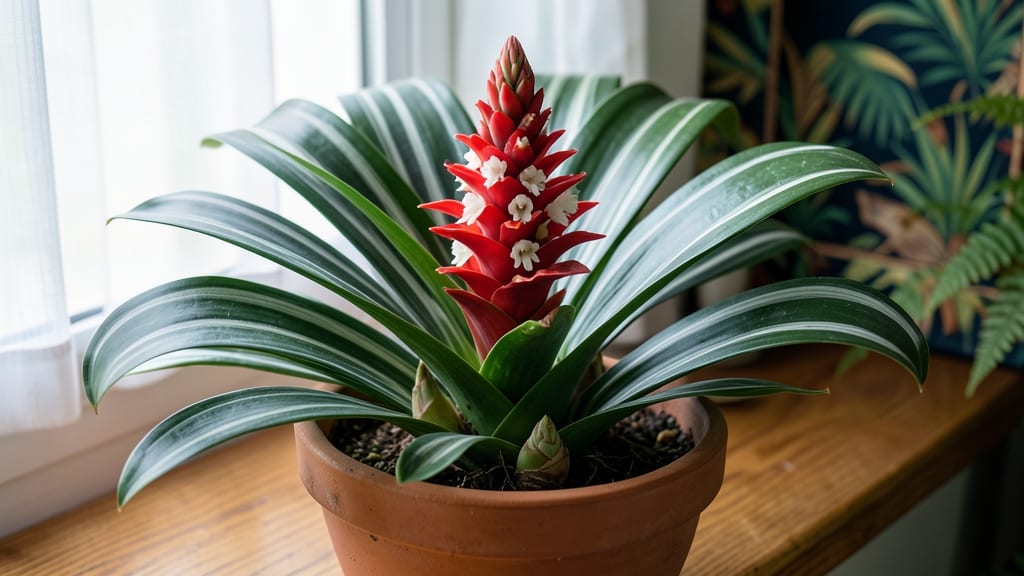
Bromeliads flower when they reach 2–4 years old, though timing varies by species and growing conditions—some bloom sooner with the right care.
If you’ve ever waited months—or even years—for your bromeliad to bloom, you’re not alone. These stunning tropical plants follow a precise schedule, but understanding their flowering triggers can help you coax blooms faster and enjoy their breathtaking beauty sooner than expected.
The key to timing lies in their environment: bright, indirect light, consistent humidity, and just the right temperature fluctuations. Indoor bromeliads may take longer than outdoor ones, but with a few adjustments—like a strategic dry-down period or a gentle ethylene boost—you can encourage that first (or second!) bloom.
In this guide, I’ll break down the natural flowering cycle, how to spot when your 🌺 bromeliad is ready, and the simple tricks to make it happen faster—whether you’re growing them indoors or outdoors.
Natural bromeliad flowering timeline: when to expect first blooms
Bromeliads are famous for their dramatic flowering displays, but their blooming schedule isn’t always predictable. Most bromeliads reach maturity between 1-3 years, with some species like Aechmea flowering earlier at 12-18 months.
The process begins when the plant’s center rosette produces a flower spike, followed by vibrant bracts that last 2-3 months. Understanding these timelines helps you set realistic expectations and create ideal growing conditions.
Environmental factors play a critical role in triggering blooms. Bromeliads need bright indirect light, 60-70% humidity, and consistent temperatures between 65-80°F. Without these, flowering may be delayed or never occur.
For example, Guzmania varieties often bloom in spring or summer, while Vriesea species may flower in fall or winter. These differences highlight why species-specific care is essential.
Light is the most influential factor. Bromeliads need 6+ hours of bright, indirect light daily. Place them near east or west-facing windows to avoid leaf scorch from direct sun. In low-light conditions, flowering may be delayed by months or even years. If your plant isn’t blooming after 2 years, it’s likely due to insufficient light or improper care.
Temperature fluctuations can also trigger flowering. A 10°F drop in nighttime temperatures for 2-4 weeks mimics their natural tropical climate shifts. This is especially useful for indoor bromeliads that lack seasonal changes.
For outdoor plants in USDA Zone 6a, bring them indoors before first frost to protect them during winter.
Humidity is another key factor. Bromeliads thrive in 60-70% humidity, which is common in their native tropical habitats. In dry indoor environments, use a humidifier or place the pot on a pebble tray with water. Low humidity can cause delayed blooming or even leaf damage, so maintaining consistent moisture in the air is crucial.
| Species | Age at First Bloom | Bloom Season | Light Needs | Humidity Needs |
|---|---|---|---|---|
| Aechmea | 12-18 months | Spring-Summer | Bright indirect | 60-70% |
| Guzmania | 2-3 years | Fall-Winter | Bright indirect | 70-80% |
| Vriesea | 18-24 months | Year-round (varies) | Bright indirect | 60-75% |
| Neoregelia | 3-4 years | Spring | Medium indirect | 65-75% |
After flowering, bromeliads produce pups or offsets at the base of the plant. These are the next generation of blooming plants. Once the mother plant dies after flowering, you can separate the pups and repot them to continue your bromeliad collection.
This process ensures you’ll have new blooms every 1-3 years, depending on the species.
For indoor bromeliads, maintaining a consistent routine is key. Water the plant weekly by filling the center rosette and allowing excess water to drain. Avoid letting the soil dry out completely, as this can stress the plant and delay flowering.
In outdoor settings, bromeliads may bloom more reliably due to natural seasonal changes, but they still require protection from harsh sunlight and consistent moisture.
If your bromeliad isn’t flowering after 3 years, it may need a care adjustment. Check for insufficient light, low humidity, or nutrient deficiencies. A balanced 10-10-10 fertilizer applied every 4-6 weeks during the growing season can also encourage healthier growth and eventual blooming.
With the right conditions, your bromeliad will reward you with stunning blooms that last for months. Patience and attention to detail are key—once you understand the natural flowering timeline and environmental triggers, you’ll
How to induce bromeliad flowering faster: proven triggers for second blooms
Bromeliads are famous for their dramatic, long-lasting blooms—but many gardeners struggle to coax a second flower from their spent plants. The good news? With the right techniques, you can trigger bromeliad flowering faster and enjoy multiple blooms from a single plant.
The secret lies in understanding their natural triggers and mimicking them at home.
After a bromeliad blooms, its mother plant dies back, but not before producing pups (offsets) at its base. These pups can grow into mature plants that flower within 1-3 years.
However, you can accelerate this process by creating stress-like conditions that signal the plant to bloom. Let’s explore the most effective methods.
🌱 5 Proven Triggers to Induce Bromeliad Flowering
- Temperature Fluctuations: Drop nighttime temps to 55-60°F (13-16°C) for 2-3 weeks to mimic seasonal changes.
- Ethylene Gas Exposure: Place an apple or ripe banana near the plant for 1-2 weeks to release ethylene, a natural flowering hormone.
- Dry-Down Method: Reduce watering for 4-6 weeks until the soil is nearly dry, then resume normal care.
- Light Adjustments: Move to bright indirect light (e.g., 2-3 feet from an east-facing window) to signal maturity.
- Floral Stimulants: Use a bloom booster fertilizer (high in phosphorus) every 4 weeks during the growing season.
One of the most reliable methods is the dry-down technique. Bromeliads in the wild experience dry seasons, and this stress triggers flowering. Start by reducing watering to every 10-14 days, allowing the top inch of soil to dry out completely.
After 4-6 weeks, return to your normal watering schedule. This shock can prompt even mature plants to produce a flowering spike within 8-12 weeks.
For indoor bromeliads, ethylene gas is a game-changer. Ethylene is a natural plant hormone that signals flowering. Simply place a ripe apple or banana near your bromeliad for 1-2 weeks in a sealed plastic bag.
The gas released will encourage blooming in as little as 4-6 weeks. Just remove the fruit afterward to avoid rotting the leaves.
If your bromeliad has already bloomed but you want to revive the pups for future flowers, focus on light and nutrients. Pups need bright indirect light and a balanced fertilizer (10-10-10) every 6 weeks.
Once they reach 1/3 the size of the mother plant, they’re ready to be separated and potted individually. With proper care, these pups will flower within 1-2 years.
Remember, patience is key—some methods take 8-12 weeks to show results. Track your bromeliad’s response to different triggers, and soon you’ll have a blooming bromeliad calendar tailored to your home. The reward? Stunning, long-lasting flowers year after year! 🌺