
Blooming
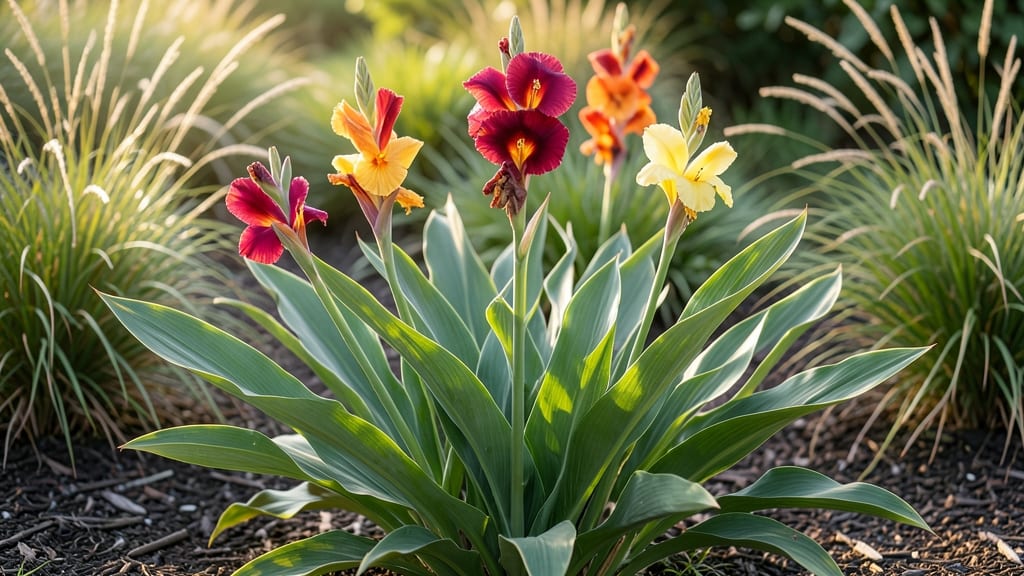
Canna flowers bloom when daytime temperatures hit 80°F+ consistently, turning your garden into a tropical spectacle 🌺—but timing varies wildly by zone and care.
If you’ve ever wondered why your cannas refuse to bloom despite lush foliage, the answer lies in heat—these tropical showstoppers only burst into vibrant color when temperatures rise just right.
In USDA Zone 6a, where I garden, cannas typically wait until late June or July to flower, while warmer zones like 9-11 see blooms as early as May. The key? Sunlight, soil warmth, and a little patience—though I’ve learned a few tricks to coax earlier blooms.
Below, I’ll break down the exact flowering windows by zone, plus 5 proven ways to encourage bigger, earlier blooms—so you can enjoy those dramatic 3- to 6-foot flower spikes all season long.
Canna flowering timeline by USDA Zone: heat requirements explained
Canna lilies are heat-lovers, and their flowering timeline hinges entirely on daytime temperatures staying above 80°F consistently. In cooler zones, they may wait until summer’s peak, while warmer climates see blooms as early as May.
Understanding your USDA zone and microclimate is key to predicting—and even accelerating—those stunning tropical blooms.
I’ve grown cannas in Zone 7b for years, and the difference between a June bloom and a July one often comes down to soil warmth and afternoon sun. Let’s break down the exact windows by zone, plus how to coax earlier flowers in marginal climates.
| USDA Zone | First Bloom Window | Ideal Temp Range | Peak Bloom Months | Acceleration Tip |
|---|---|---|---|---|
| 7-8 | Late June - Early July | 80°F+ for 3+ weeks | July - August | Use black plastic mulch |
| 9 | Early June | 85°F+ consistently | June - September | Plant near heat-absorbing walls |
| 10-11 | May | 90°F+ year-round | May - October | No acceleration needed |
In Zones 7-8, cannas often play the waiting game, holding off until soil temperatures hit 75°F+. I’ve found that planting near south-facing fences or using black plastic mulch can push blooms forward by 2-3 weeks. The mulch warms the roots faster, mimicking tropical conditions.
For gardeners in Zone 9 and warmer, blooms arrive earlier, but heat stress (above 95°F) can cause buds to drop. I’ve learned to provide afternoon shade during peak summer to protect delicate flowers while maintaining that 85°F+ daytime trigger.
One of my biggest mistakes was assuming cannas would bloom on schedule in Zone 7b. Last year, I planted ‘Striped’ cannas in a microclimate near my patio—the extra afternoon sun from the brick wall gave me blooms by mid-June, a full month earlier than my other plants!
If you’re in a cooler zone and desperate for earlier blooms, try these 3 proven tricks: Use row covers for a few weeks post-planting, plant in containers near heat sources (like air conditioner units), or choose dwarf varieties like ‘Pyramid’ that mature faster.
Remember, cannas are tropical plants at heart—they reward patience with bold, statement-making blooms. In my experience, the longer you wait, the more dramatic the display becomes. But with the right heat tricks, you can enjoy those 3-foot flower spikes all summer long.
For Zone 10-11 gardeners, the real challenge isn’t timing but bud drop from extreme heat. I’ve had success with lightweight shade cloth (30-40%) during the hottest afternoons, which keeps flowers intact without stunting growth.
Now that you know the heat requirements and timing secrets, go ahead and plan your canna garden’s most vibrant moments—just remember, these tropical beauties need sun, heat, and a little patience to shine.
5 Signs your cannas are ready to flower (and how to encourage it)
Canna plants send clear signals when they’re about to bloom—if you know what to look for. The 5 key signs below will help you predict flowering time and take action to encourage bigger, earlier blooms.
I’ve spotted these cues in my own Zone 6a garden, where cannas often wait until mid-summer to put on their show.
First, observe the leaf size and thickness. Mature canna leaves should be 12-18 inches wide with a thick, leathery texture—this means the plant has stored enough energy for flowering. In my experience, larger leaves with prominent veins are the first clue that blooms are coming soon.
- 🌿 Leaf size 12"+ wide with thick, glossy texture (energy stored for blooms)
- 🌡️ Daytime temps 80°F+ for 3+ consecutive days (heat triggers blooming)
- 🌱 New stems emerge from rhizomes (flower stalks form here)
- ☀️ 6+ hours full sun daily (critical for bud formation)
- 💧 Consistent moisture (1-2 gallons per plant weekly)
Next, watch for new stem growth from the rhizomes. These flower stalks will shoot up vertically, often reaching 3-6 feet tall before blooming. I’ve found that pruning older leaves (but leaving the bottom 6 inches) redirects energy to these new stems, speeding up flowering by 2-3 weeks.
Don’t overlook the bud formation stage—this is when you’ll see small, tight buds forming at the top of stems. At this point, I switch to a low-nitrogen, high-phosphorus fertilizer (like 5-10-10) to support bloom development.
Apply it every 4-6 weeks during the growing season, always in the early morning to prevent leaf burn.
Finally, pay attention to soil temperature. Cannas need soil that’s at least 65°F to trigger flowering. In cooler zones, I’ve used black plastic mulch to warm the soil by 5-10°F, which helps cannas bloom 3-4 weeks earlier.
This simple trick has made all the difference in my garden!
With these signs in mind, you’ll catch your cannas at the perfect moment to encourage stunning blooms. The key is patience and proper care—once you see those first buds, your garden will transform into a vibrant tropical paradise! 🌺