
Blooming
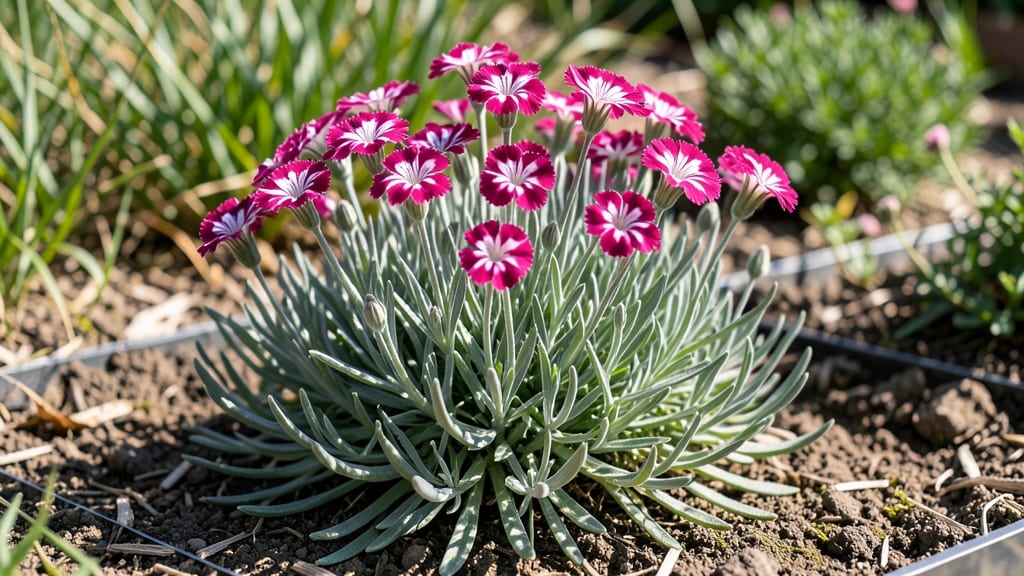
Dianthus flowers bloom from late spring through summer, with timing that shifts depending on your variety and where you live.
If you love vibrant blooms but struggle with seasonal timing, dianthus might be your perfect solution—this hardy perennial offers flowers from spring to late fall, but the exact timing depends on your variety and growing conditions.
Sweet Williams burst into color in May, while China Pinks stretch their show into August. In cooler climates like USDA Zone 6a, blooms arrive earlier, while Mediterranean varieties may wait until June for their peak.
Learn how to adjust care for your region, choose the right types for year-round color, and keep those blooms coming with simple pruning tricks.
Dianthus flowering seasons by variety: spring, summer, and fall bloomers
Dianthus plants are famous for their fragrant, colorful blooms that brighten gardens from early spring to late fall. But not all varieties flower at the same time—some burst into color in cool spring mornings, while others thrive in summer heat or autumn breezes.
Understanding these patterns helps you plan vibrant garden displays all season long.
Whether you're growing Sweet William for its clusters of ruffled petals or China Pinks for their delicate, lace-like flowers, timing matters. Each variety has its own peak bloom window, often influenced by your local climate and growing conditions.
Let’s explore the best times to expect flowers from your favorite dianthus types.
For Sweet William, the show starts in late spring when your garden is still fresh from winter. Look for tight buds forming in April—these will burst into color as temperatures climb.
This variety is cool-season hardy, so it often fades by mid-summer unless you’re in a cooler coastal climate.
If you want summer-long color, China Pinks are your best bet. These heat-tolerant varieties thrive when other flowers wilt. Plant them in full sun and watch buds swell as afternoon humidity drops. With regular deadheading, they’ll reward you with blooms until early autumn.
Garden Pinks and Cheddar Pinks are the overachievers of the dianthus world. They can bloom from spring to fall if given the right care. Start by pruning back spent blooms in early summer—this signals the plant to produce new growth. In late summer, a light trim encourages a second flush of flowers before winter.
For autumn lovers, Firewitch Dianthus is a game-changer. This variety waits until September to burst into vibrant magenta blooms, filling gaps left by fading summer flowers. It’s perfect for container gardens or rockeries where you want late-season color without competing with other plants.
Pro tip: Use seasonal cues to predict blooms. For example, Sweet William buds swell when daylight reaches 14 hours, while China Pinks open best on dry, sunny mornings. Pay attention to your local microclimate—shady spots may delay blooming, while south-facing beds encourage earlier flowers.
To maximize your dianthus blooms, mulch around plants in early spring to retain moisture and fertilize lightly when buds form. Avoid overwatering
How to extend dianthus blooming with pruning and care tips
Want your dianthus to bloom longer and more abundantly? The secret lies in smart pruning and consistent care. Unlike some flowers that fade after one burst, dianthus can reward you with continuous blooms from spring to fall—if you follow a few key steps.
Start by understanding that deadheading isn’t just optional; it’s essential for encouraging new flowers to form.
I’ve found that regular pruning keeps my dianthus bushes compact and flowering. The best time to prune is right after the first major bloom cycle, usually in early summer. This gives your plants energy to produce a second flush of flowers later in the season.
For varieties like Sweet William, a light trim after the first wave of blooms can extend their show into late summer.
Here’s how to maximize your dianthus blooms with simple, effective techniques:
Don’t forget that soil health plays a huge role in bloom longevity. Dianthus thrives in slightly alkaline soil with a pH between 6.5 and 7.5. If your soil is too acidic, add lime in early spring to create the ideal growing conditions.
I’ve seen a noticeable difference in my plants’ vigor and bloom count after amending the soil.
For potted dianthus, container size matters. Use pots with drainage holes and repot every 2-3 years to refresh the soil. Overcrowded roots can stress the plant and reduce flowering. Also, move containers to a shady spot during the hottest afternoons in summer to prevent wilting.
With these simple adjustments, your dianthus can keep blooming well into fall, giving you a longer season of color. The key is consistency—prune regularly, feed lightly, and keep conditions optimal.
Before you know it, your garden will be a vibrant display of pinks, reds, and whites all season long! 🌷