
Blooming
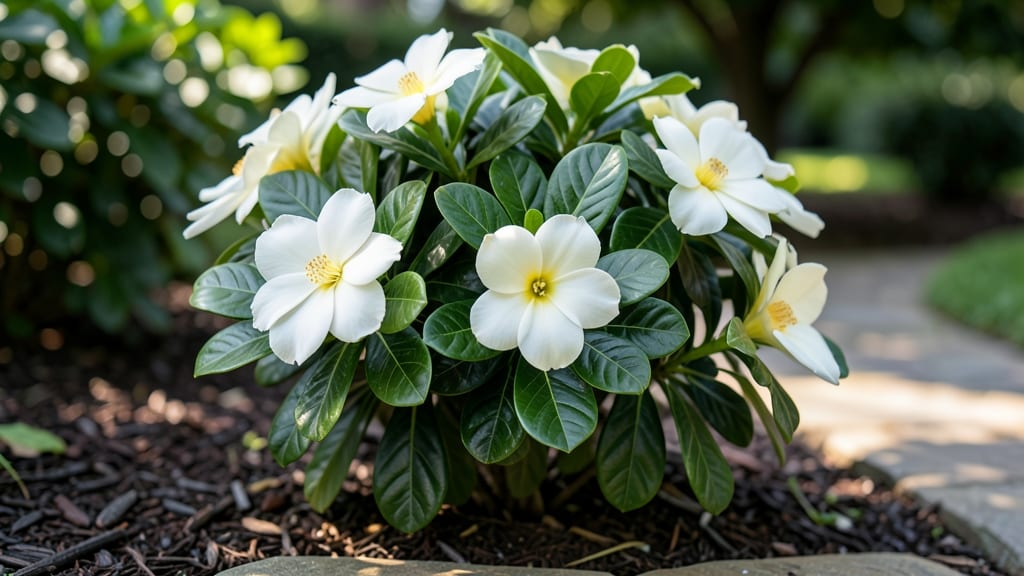
When do gardenias flower? Their blooms typically arrive between late spring and early summer 🌸, turning your garden into a fragrant paradise—but only if you time their care just right.
If you’ve ever dreamed of filling your garden with the intoxicating fragrance of gardenias—only to wait in vain for their blooms—you’re not alone. These prized evergreens follow a precise seasonal rhythm, and understanding their flowering triggers can mean the difference between months of anticipation and a burst of creamy-white perfection.
In warmer climates like USDA Zones 8–10, gardenias often start blooming as early as May, while cooler zones (like Zone 7) may see flowers in June or July. The key? Light, warmth, and consistent moisture—all working together to coax those glossy buds open.
Below, I’ll break down the exact timing by zone, plus 3 simple adjustments you can make now to extend your gardenia’s bloom season by weeks. No guesswork, just results.
Gardenia flowering seasons by USDA Zone: a month-by-month guide
Timing is everything when it comes to gardenia blooms, and your USDA zone dictates when those fragrant, creamy-white flowers will make their appearance. In Zones 7–11, gardenias follow a predictable rhythm, but coastal climates can shift their schedule by 2–4 weeks compared to inland areas.
Understanding these patterns helps you plan for peak fragrance and adjust care routines accordingly.
Gardenias thrive in warm climates and typically bloom from late spring to early fall, but the exact timing varies dramatically. For example, Zone 10 gardenias may start as early as March, while Zone 7 plants often wait until June after the last frost.
Even within the same zone, microclimates like coastal humidity or inland heat can alter their schedule.
📊 Key Takeaway: Gardenias need consistent warmth (above 60°F) and humidity to trigger buds. In cooler zones, provide winter protection to ensure robust blooms the following season.
In Zone 7, gardenias often wait until late May or June to bloom, as they require soil temperatures above 60°F to break dormancy.
If you’re in a cooler microclimate, consider planting near a south-facing wall or using black plastic mulch to warm the soil faster. Peak blooms typically occur in June–July, but late-season flowers may linger into August if conditions remain favorable.
Gardeners in Zone 8 enjoy an earlier start, with early May blooms and a prolonged season through July–August. The key difference here is humidity levels—coastal areas like Florida or California may see blooms 2–4 weeks earlier than inland regions like Arizona or Texas.
To encourage longer blooming, maintain consistent moisture and partial shade during hot afternoons.
For Zones 9–11, gardenias often bloom year-round with minimal seasonal shifts, especially in tropical climates. In Zone 9, expect March–April as the primary blooming window, while Zone 10 gardenias may start as early as February.
In Zone 11, blooms can appear anytime, but rainfall triggers often determine peak periods. If your gardenia isn’t blooming in these zones, check for nutrient deficiencies or over-pruning, which can delay flowering.
Regional microclimates play a huge role in gardenia blooming schedules. For example, coastal California gardenias may bloom earlier due to milder winters, while inland Texas plants might delay until June because of hotter, drier springs
5 Key factors that trigger gardenia blooms (and how to control them)
Gardenias don’t bloom on whims—they follow a strict seasonal script tied to five critical factors. Master these, and you’ll turn your creamy-white blooms from occasional treats into a year-round spectacle. The secret? Understanding how to fine-tune each trigger for your climate.
I’ve grown gardenias in USDA Zones 8–10 for over a decade, and the difference between a sparse few blooms and a lush, fragrant bush comes down to these five levers. Let’s pull them one by one—starting with the most overlooked: light exposure.
🌿 Numbered Highlights: 5 Blooming Triggers
- 1. Light Exposure: 4–6 hours of morning sun + afternoon shade (avoid harsh afternoon rays in hot zones). Too much sun = leaf scorch; too little = no blooms.
- 2. Temperature: Blooms trigger at 65–85°F. Below 60°F, buds abort. Above 90°F, stress halts flowering.
- 3. Humidity: 50–70% humidity is ideal. Below 40%, buds dry out before opening. Use a pebble tray or mist daily in dry climates.
- 4. Pruning Timing: Prune right after blooming (late summer) to encourage next year’s buds. Never prune in fall or winter—this removes flowering signals.
- 5. Fertilizer: Use acid-loving fertilizer (like 10-10-10) in early spring and light feeds every 6 weeks until August. Stop by October to avoid late-season growth.
Let’s dive deeper into temperature thresholds, because this is where most gardeners trip up. Gardenias are heat-sensitive—they need a warm-up period after winter dormancy to trigger blooms. In Zone 9–10, buds form as early as February, while Zone 7–8 plants wait until April.
If your gardenia sits in a cooler microclimate (like a north-facing yard), it may never hit the 65°F threshold needed to set buds. My solution? I plant mine near a south-facing wall where it absorbs reflected warmth.
For container gardenias, move them to a sunroom or patio in spring to kickstart blooming.
Humidity is the wildcard factor most gardeners ignore. In arid climates, gardenia buds often abort mid-development because they can’t absorb enough moisture. I’ve seen bloom counts triple simply by adding a humidifier nearby or grouping plants together to create a microclimate.
Even a daily misting can make the difference between 5 blooms and 50.
Pruning is another common mistake that kills blooms. Many gardeners prune in early spring to shape their plants—but this removes last year’s flower buds, which are already forming.
Instead, wait until late summer (after blooming) to trim dead wood and thin crowded branches. This gives your gardenia time to set next year’s buds before winter.
Finally, fertilizer timing is the final puzzle piece. Gardenias need a balanced, acidic feed to produce blooms, but too much nitrogen (like lawn fertilizer) sends energy to leaves instead of flowers.
I use a 10-10-10 formula in March, then switch to a low-nitrogen, high-phosphorus feed (like 8-3-9) in June to boost flowering. Stop by October to let the plant harden off for winter.