
Blooming
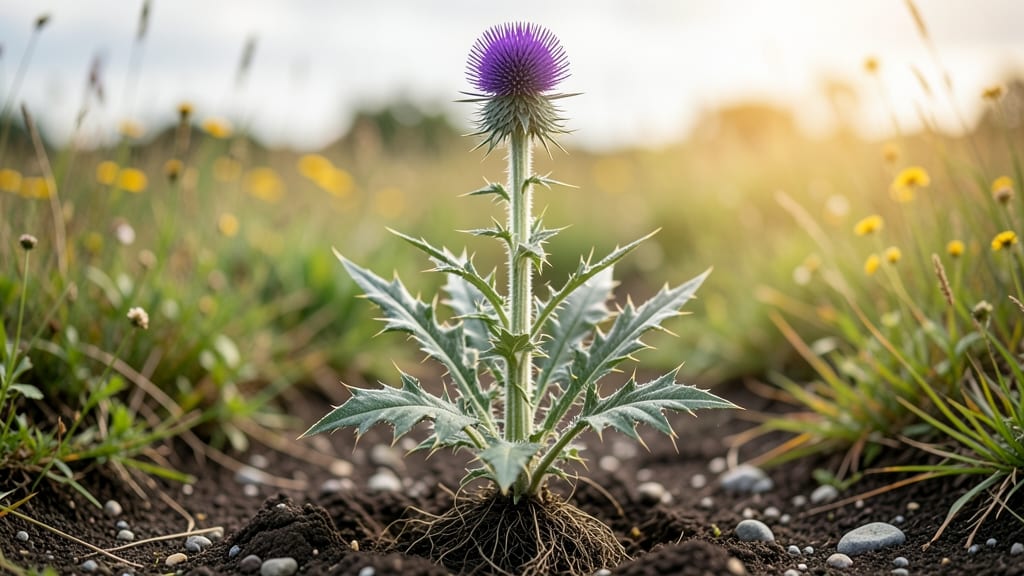
Thistles flower in late spring through summer, with exact timing depending on the variety and your climate zone—so if you’ve spotted those spiky purple blooms, you’re likely in the right window to act before they spread.
Picture this: one day, your garden looks normal, and the next, it’s overrun with thistle stalks reaching for the sky.
That’s because these hardy plants go from stealthy rosettes to towering flower stalks in just a few months, and missing their bloom window means missing your best chance to control them.
Most common thistles—like Scotch thistle and creeping thistle—start flowering in June or July in USDA Zone 6a, but cooler climates can push that back by weeks. Warmer regions might see blooms as early as May, while late-season varieties could linger into August.
In this guide, I’ll break down the exact months for each variety, how to spot them before they flower, and what to do once those purple blooms appear—because once they seed, you’ve lost the battle.
Thistle flowering timeline by common varieties and growth stages
Thistles are notorious for their spiky appearance and aggressive growth, but their flowering timeline varies dramatically by species. Understanding these patterns helps you identify and control them before they spread.
Most thistles follow a two-year cycle, with flowering occurring in their second year—though some varieties bloom earlier under ideal conditions.
The key flowering window for most thistles falls between late spring and early fall, but exact timing depends on the species. For example, Scotch thistle often blooms earlier than musk thistle, giving it a competitive edge in invaded areas.
Recognizing these differences is crucial for targeted eradication before seeds spread.
| Variety | Flowering Months | Pre-Flowering Signs | Height at Bloom |
|---|---|---|---|
| Scotch Thistle | June–August | Rosette stage (basal leaves), stem elongation | 3–5 ft |
| Musk Thistle | July–September | Purple buds forming, spiny bracts | 4–6 ft |
| Bull Thistle | May–July | Stems thicken, leaves turn grayish | 2–4 ft |
| Creeping Thistle | July–October | Low-growing rosettes, runners spreading | 1–2 ft |
| Plumed Thistle | August–September | Feathery seed heads, tall stems | 3–5 ft |
The Scotch thistle is often the first to bloom, typically between June and August, making it a primary target for early-season control. Its purple flower heads stand out against its spiky green stems, and once blooming begins, seeds can spread within weeks.
If you spot these in late spring, act fast to prevent establishment.
For musk thistle, flowering occurs slightly later, from July to September, with a distinctive pinkish-purple bloom that attracts pollinators. This variety is particularly aggressive, so monitoring for stem elongation in early summer is critical. If left unchecked, a single plant can produce thousands of seeds per year.
Bull thistle has the earliest flowering window, often blooming as early as May in warmer climates. Its smaller stature (2–4 ft) makes it harder to spot, but its thick stems and spiky leaves are unmistakable. This variety thrives in disturbed soils, so targeting it in early spring can reduce its spread.
If you’re dealing with creeping thistle, expect flowering from July to October, but its real danger lies in its aggressive runners. This variety spreads horizontally, forming dense mats that crowd out other plants. Look for low-growing rosettes in early summer—they’re a sure sign of an impending invasion.
The plumed thistle is the latest bloomer, typically from August to September, and its feathery seed heads make it easy to identify. While less aggressive than other varieties, its seeds can still spread widely. Removing plants before seed head formation is your best defense against future infestations.
To identify pre-flowering stages, focus on stem thickness, leaf arrangement, and bud formation. For example, Scotch thistle develops a woody base in its first year, while musk thistle forms a dense rosette of spiny leaves.
Catching these early signs lets you pull or treat plants before they flower.
Timing is everything when it comes to thistle control. For chemical treatments, apply pre-emergent herbicides in early spring or post-emergent when plants are young but before flowering. For manual removal, target plants in their rosette stage—this is when they’re most vulnerable and easiest to uproot.
Remember, thistles thrive in disturbed or nutrient-poor soils, so improving soil health with compost or mulch can discourage their growth. Regular monitoring, especially in spring and early summer, is your best strategy for keeping these invasive plants in check.
How climate zones shift thistle flowering months (and what it means for control)
Your USDA climate zone is the secret weapon in predicting when thistles will flower—and when to strike for control. In Zone 3, for example, Scotch thistle might not bloom until mid-July, while the same variety in Zone 10 could start as early as April.
These shifts aren’t random; they’re tied to soil temperatures and daylight hours, which directly impact when thistles transition from rosettes to flowering stalks.
Understanding these patterns means you can time your control efforts perfectly—whether you’re pulling weeds, applying herbicides, or smothering them with mulch. Miss the window, and you’ll be fighting seed production instead of prevention. Let’s break down the exact months for each zone and what it means for your garden strategy.
🌱 Key Insight: Cooler zones delay flowering, giving you more time to act before seeds spread.
| USDA Zone | Scotch Thistle Bloom Window | Musk Thistle Bloom Window | Best Control Months | Temperature Trigger |
|---|---|---|---|---|
| Zone 3 | Mid-July to August | Late July to September | May-June (pre-flowering) | 55°F+ soil temps |
| Zone 5 | June to July | June to August | April-May (rosette stage) | 60°F+ soil temps |
| Zone 6a | May to June | May to July | March-April (early growth) | 65°F+ soil temps |
| Zone 8 | April to May | April to June | February-March (winter dormancy) | 70°F+ soil temps |
| Zone 10 | March to April | March to May | January-February (year-round growth) | 75°F+ soil temps |
Notice how Zone 10 thistles start blooming in March, while Zone 3 plants wait until July? This shift isn’t just about timing—it’s about temperature thresholds. Thistles need consistent soil temps above 55°F to trigger flowering, and warmer zones hit that mark weeks earlier.
For example, in Zone 6a, I’ve found that applying glyphosate in April (before flowering) gives me the best results, while in Zone 8, I switch to manual removal in February to catch them before they even start growing.
The key is to act 2-3 months before your zone’s typical bloom window.
Pro tip: If you’re in a transition zone (like 6b or 7a), check your last frost date—thistles often start flowering 4-6 weeks after the final frost. Use this as your cue to monitor and treat before those purple blooms appear.
🌿 Action Step: Bookmark this table and check your zone’s bloom window—then mark your calendar for pre-flowering control.