
Flowers
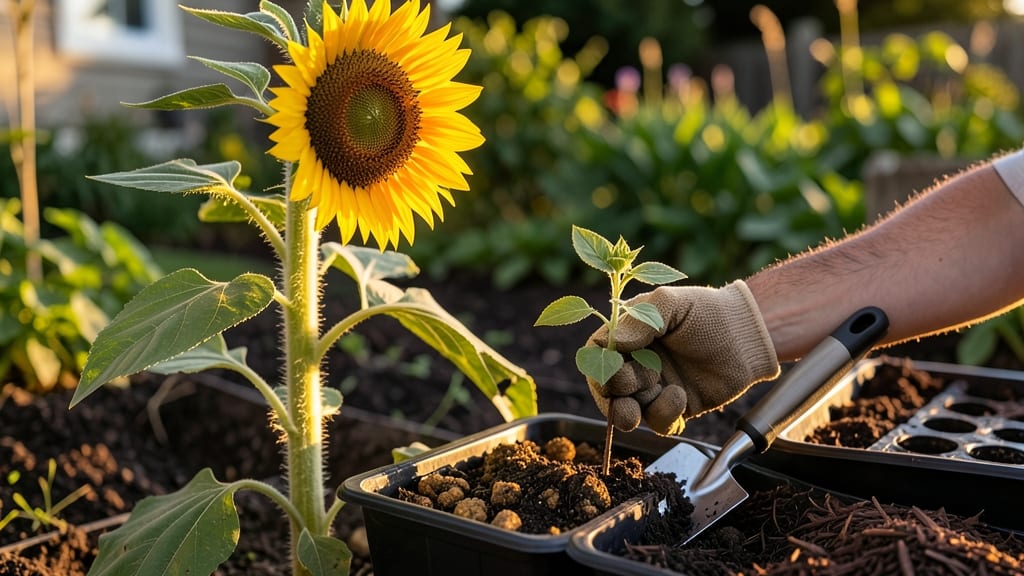
Planting sunflowers in Georgia between mid-March and early July ensures they soak up the state’s long, sunny days and reach their towering, golden potential.
Miss that window, though, and you risk wilting blooms or sunflowers 🌻 that bolt too fast—leaving you with nothing but a patch of brown stems. The key? Timing that aligns with your USDA zone, soil warmth, and Georgia’s unpredictable spring frosts.
Whether you’re in the humid Coastal Plain or the cooler North Georgia mountains, the right planting schedule makes all the difference. Below, I’ll break down the exact months for each zone, plus soil prep and care tips to keep your sunflowers thriving.
You’ll also discover how to pick the best varieties for Georgia’s heat, avoid common mistakes, and harvest sunflowers that stand taller than your fence—no guesswork required.
Georgia sunflower planting calendar by hardiness Zone (exact months for best results)
Georgia’s diverse climate—from the humid Coastal Plain to the cooler Appalachian foothills—means sunflower planting windows vary dramatically by USDA zone. In Zone 7a, you’ll plant earlier than in Zone 8b, where summer heat arrives sooner.
The key is timing seeds for 60-90 days before first frost while avoiding Georgia’s late spring heatwaves that can stress young plants.
Most gardeners in Georgia start sunflowers between mid-March and early July, but the exact window depends on your last frost date and soil temperature.
For example, Atlanta (Zone 7b) has a last frost around March 15, while Savannah (Zone 8a) can plant as early as February 15—if soil warms above 50°F. Northern Georgia’s Zone 7a (like Blairsville) waits until April 1 to avoid frost risk.
Here’s your zone-by-zone planting calendar, including peak bloom timing for popular varieties like Mammoth (120 days), Teddy Bear (56 days), and ProCut (60 days). Use this as your quick-reference guide before grabbing seeds!
If you’re in Zone 7a or 7b, focus on spring planting (March–May) to ensure sunflowers mature before first frost in November. In Zones 8a–8b, you can squeeze in two plantings: one in late winter (Feb–March) for early blooms and another in June for fall color.
Just watch for soil temperatures—sunflowers need at least 50°F to germinate, and 60°F+ for faster growth.
For late-summer varieties like Autumn Beauty, plant June 15–July 1 in Zones 8a–8b. These varieties thrive in Georgia’s long, hot summers and produce vibrant fall blooms when many other flowers fade. In Zone 7a, limit late plantings to early June to avoid early frost risks in September.
One common mistake? Planting too early in Zone 8b when soil is still cool. Use a soil thermometer to confirm 55°F+ before seeding. In sandy Coastal Plain soils (like near Brunswick), water more frequently—these soils dry out faster and can stress young sunflowers.
In clay-heavy Piedmont regions (like Athens), improve drainage by mixing in compost before planting.
Remember: Sunflowers love heat, but they hate soggy feet. In Georgia’s humid summers, space plants 12–24 inches apart (depending on variety) to improve air circulation and reduce powdery mildew.
Mulch with straw or pine needles to keep roots cool and moist—especially critical in July and August when temps can exceed 90°F.
For maximum height in Mammoth varieties, stake tall stalks in Zone 7a where winds are stronger. In Zones 8a–8b, where humidity is higher, prune lower buds to direct energy into one primary bloom.
This trick ensures bigger, showier flowers by Labor Day—perfect for Georgia’s State Fair displays!
🌻 Final Tip: Mark your calendar for late August–September when most Georgia sunflowers reach peak bloom. This is also the best time to harvest seeds for next year’s garden or press flowers for arrangements. In Zone 7a, start harvesting by early September to beat frost.
5 Critical factors that determine your sunflower planting success in Georgia
Georgia’s sunflowers need more than just warm weather—they demand the right soil conditions, spacing, and watering schedule to thrive. In the sandy Coastal Plain, soil drains too fast, while the clay-heavy Piedmont holds moisture like a sponge.
These differences can make or break your sunflowers 🌻 if you don’t adjust your approach.
Even the best planting months (March–July) won’t guarantee success without addressing these five critical factors. Skipping soil prep or overcrowding plants can stunt growth, leaving you with weak stems and small blooms. Let’s break down how to tailor your care to Georgia’s two distinct regions for maximum sunflower success.
- Soil Prep: Test pH (6.0–6.8) and amend sandy soil with compost or clay soil with sand for drainage.
- Spacing: Plant 6–12 inches apart (dwarf varieties) or 18–24 inches (giant types) to prevent competition.
- Watering: Deep-water 1–2 gallons per plant weekly, but reduce in Coastal Plain to avoid fungal rot.
- Pest Control: Watch for sunflower moths and squirrels—use row covers or neem oil early.
- Fertilizing: Use balanced 5-10-10 fertilizer at planting and mid-season, but avoid over-fertilizing in Piedmont clay.
For Coastal Plain gardens, focus on improving drainage by mixing organic matter like leaf mold into sandy soil. This helps retain moisture without suffocating roots. In contrast, Piedmont clay benefits from gypsum or coarse sand to break up compaction.
A quick soil test (available at local extension offices) will tell you exactly what amendments your sunflowers need to thrive.
Spacing is another game-changer. Dwarf varieties like ‘Teddy Bear’ can handle closer spacing (6 inches), while giant sunflowers like ‘Russian Giant’ need 2 feet between plants to support their towering stems. Overcrowding leads to weak stalks that snap in Georgia’s summer storms—so plan your layout carefully before planting.
Watering needs shift with Georgia’s humid summers. In the Coastal Plain, frequent light watering prevents drought stress, while Piedmont clay may require deeper, less frequent watering to avoid waterlogging.
Always water at the base of the plant in the morning to reduce fungal risks from evening moisture. A drip irrigation system is ideal for large sunflower patches.
Pests are the silent saboteurs of sunflower success. Sunflower moths and squirrels love fresh seeds, while aphids can stunt growth. Start with neem oil or insecticidal soap for early prevention.
If squirrels are raiding your patch, try chicken wire cages around individual plants until they’re tall enough to deter pests naturally.
Finally, fertilizing smartly ensures your sunflowers put energy into sturdy stems and vibrant blooms instead of leafy growth. Use a balanced 5-10-10 fertilizer at planting, then again when buds form.
Avoid high-nitrogen fertilizers—they promote foliage over flowers. In Piedmont clay, reduce fertilizer by half to prevent nutrient buildup, which can harm roots.