
Blooming
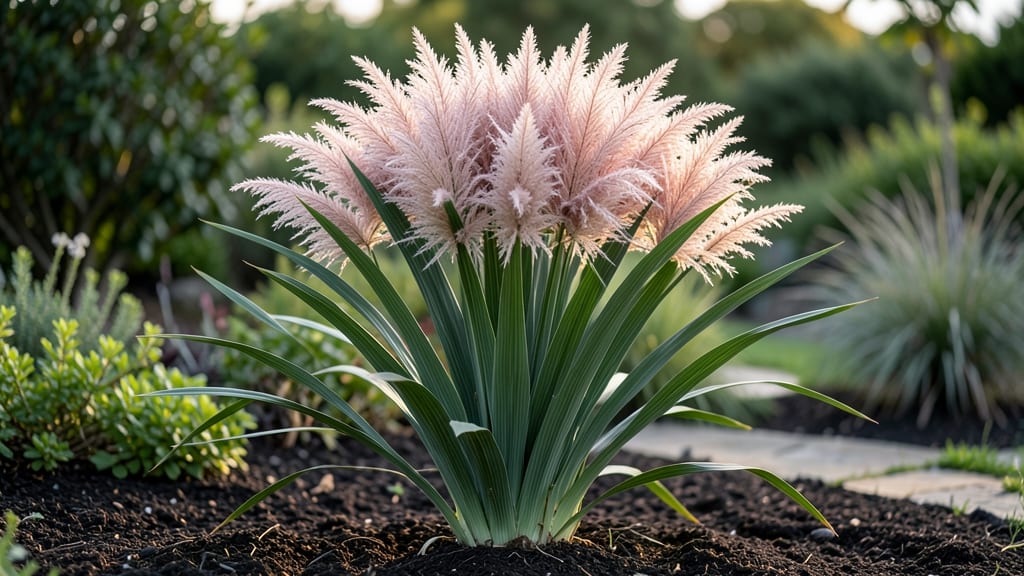
Pampas grass flowers in late summer to fall 🌿, transforming your yard into a showstopper with its dramatic, feathery plumes.
If you’ve ever wondered why your pampas grass (Cortaderia selloana) looks like a fluffy cloud one season and a bare stalk the next, timing is everything—especially when growing in USDA Zones 5-10.
The blooming window depends on your region: in warmer zones like Southern California, expect flowers as early as August, while cooler climates may see them peak in September or October.
Here’s how to encourage those stunning blooms year after year—plus why pruning and sunlight play such a critical role in keeping your pampas grass in peak form.
Pampas grass flowering timeline by USDA Zone: what to expect each season
Pampas grass (Cortaderia selloana) transforms your garden into a dreamy, cloud-like spectacle—but only when you time its blooms right. In USDA Zones 5-10, this ornamental grass typically flowers in late summer to fall, but the exact timing shifts dramatically depending on where you live.
Whether you're in frost-prone Zone 5 or mild Zone 10, knowing your local window helps you plan for its stunning plumes or avoid disappointment when they don’t appear.
For gardeners in Zones 7-9, the blooms usually arrive between August and October, peaking in September. However, in Zone 5, the blooming season starts later—often September to October—due to slower spring warming.
Meanwhile, in Zone 10, you might see early blooms as early as July, thanks to year-round warmth. Understanding these variations ensures you’re ready to capture the magic when it arrives.
Here’s a quick breakdown of what to expect in your zone, including frost sensitivity and how climate affects timing:
| USDA Zone | Blooming Window | Peak Month | Frost Sensitivity | Regional Notes |
|---|---|---|---|---|
| Zone 5 | September–October | October | High (blooms cut by frost) | Midwest: Later blooms; protect with mulch. |
| Zone 6 | Late August–October | September | Moderate (frost may shorten season) | Northeast: Watch for early frosts. |
| Zone 7 | August–October | September | Low (blooms often survive) | Southeast: Humidity may encourage longer blooms. |
| Zone 8 | July–October | September | None (frost rare) | California: Early blooms in coastal areas. |
| Zone 9 | June–November | August–September | None | Arizona: Blooms year-round in desert climates. |
| Zone 10 | May–December | July–October | None | Florida: Reblooms possible with ideal conditions. |
In Zones 5 and 6, frost is the biggest threat to your pampas grass blooms. If a hard freeze hits before October, the flower plumes may brown prematurely.
To extend the season, plant in a sheltered microclimate, like near a south-facing wall or under the drip line of a large tree. In Zones 7-9, you’re in luck—these zones offer the longest blooming windows, often 2-3 months of fluffy plumes.
Did you know pampas grass can rebloom in ideal conditions? In Zones 9 and 10, where winters are mild, you might see a second flush of blooms in late spring if the plant receives consistent care.
To encourage reblooming, fertilize lightly in early spring with a phosphorus-rich fertilizer (like 10-20-10) and ensure it gets full sun year-round. This extra boost signals the plant to produce more energy for flowers.
Climate plays a surprising role in bloom timing. For example, in Southern California (Zone 9-10), coastal areas bloom earlier than inland deserts due to cooler ocean breezes. Meanwhile, in the
How to trigger earlier or longer blooms: pro tips for gardeners
Want your pampas grass to burst into bloom earlier or keep those feathery plumes longer? The secret lies in timing and care.
Pampas grass naturally flowers in late summer to fall, but with the right techniques, you can shift that window by 4-6 weeks—or even coax a second round of blooms.
Start with pruning. Cut back old flower stalks in early spring (before new growth emerges) to redirect energy toward fresh blooms. Avoid heavy pruning in fall, as this can stress the plant and delay flowering.
For established plants, a light trim in late summer can encourage a second flush of flowers before frost.
Soil health is your next ally. Pampas grass thrives in well-draining, slightly alkaline soil with a boost of phosphorus (the "P" in NPK ratios). A bone meal or composted manure application in early spring can extend bloom duration by up to 3 weeks.
For faster results, synthetic blooming fertilizers (like 10-30-20) work in as little as 6 weeks.
🌱 Organic vs. Synthetic Fertilizers for Pampas Grass Blooms
| Factor | Organic (Bone Meal/Compost) | Synthetic (10-30-20) |
|---|---|---|
| Bloom Duration | 2-3 weeks longer | 1-2 weeks longer |
| Speed of Results | 6-8 weeks | 4-6 weeks |
| Soil Impact | Improves long-term health | Risk of salt buildup |
| Reblooming Potential | Moderate (1-2x/year) | High (2-3x/year) |
| Cost | $10-$20 per season | $15-$30 per season |
Pro Tip: Mix organic and synthetic for best results—use bone meal in spring and a light synthetic top-dressing in early summer to extend blooms into fall. 🌿
Don’t overlook watering schedules. Deep watering once weekly (or bi-weekly in drought conditions) encourages deeper root growth, which translates to stronger blooms. Avoid overhead watering in late afternoon—this can lead to fungal issues that weaken the plant.
Instead, use drip irrigation or soaker hoses to deliver water at the base.
Finally, play with microclimates. Pampas grass loves heat but can struggle in hot, dry climates if not mulched properly. Apply a 3-inch layer of mulch (like straw or wood chips) to retain moisture and regulate soil temperature.
In cooler zones (like USDA Zone 5), group pampas grass with sun-loving perennials to create a warmer microclimate and push blooming dates earlier by 2-3 weeks.
With these tweaks, your pampas grass could flower as early as July in warm zones—or keep blooming until November in cooler areas. The key is consistency: prune smart, feed strategically, and water wisely to turn your yard into a year-round showstopper. ✂️