
Flowers
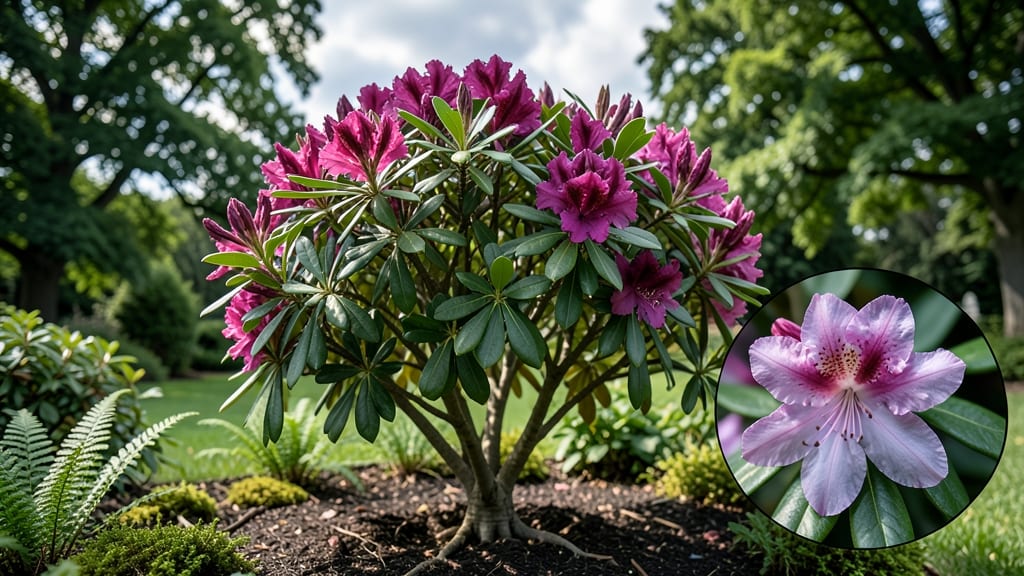
Rhododendrons flower in late spring to early summer, but the exact timing depends on your climate zone and the variety you’ve planted.
If you’ve ever wondered why your neighbor’s rhododendron bursts into bloom in April while yours lingers until June, the answer lies in temperature, elevation, and even soil conditions.
In cooler zones like USDA Zone 4, buds often open in May or June, while warmer regions such as Zone 8 or 9 may see flowers as early as March or April.
Even within the same yard, a north-facing rhododendron might bloom weeks later than its sun-drenched counterpart.
Below, I’ll break down the month-by-month bloom windows for your zone, plus how to adjust care—like pruning and fertilizing—to coax the most vibrant blooms from your 🌱 Does every season.
Rhododendron bloom times by USDA climate Zones: month-by-month guide
Rhododendrons are among the most eagerly anticipated spring bloomers, but their bloom timing varies dramatically depending on your USDA climate zone. In Zone 3, where winters are harsh, buds often wait until late May, while Zone 10 gardeners may see flowers as early as January.
These differences aren’t random—they’re shaped by frost dates, temperature fluctuations, and even daylight hours. Understanding your zone’s patterns helps you choose the right varieties and time care tasks like pruning or fertilizing for peak performance.
Most rhododendrons bloom in late spring to early summer, but some early bloomers (like Rhododendron 'PJM') may push flowers in April, while late varieties (such as Rhododendron 'Nova Zembla') can linger into June. The key is matching your plant’s needs to your local climate.
For example, Pacific Northwest gardeners in Zone 7 often see blooms in March, while Deep South gardeners in Zone 9 may enjoy them in February. Let’s break down what to expect where you live.
In Zones 3-4, where winters are long and cold, rhododendrons often wait until late May or June to bloom. This delay protects buds from late spring frosts, which can damage tender flowers.
Early bloomers like Rhododendron 'Catawbiense' may push flowers in June, while late varieties like Rhododendron 'Roseum Elegans' might linger into July. The last frost date is your best predictor—buds typically open 4-6 weeks after the final frost.
Gardeners in Zones 5-6 enjoy a wider bloom window, from April through May. Here, temperature fluctuations play a bigger role than frost. A warm spell in March might trigger early bloomers like Rhododendron 'Praecox', while cooler springs delay varieties like Rhododendron 'Carolina Ruby' until late May.
Pay attention to nighttime temperatures: buds need consistent warmth above 40°F to open fully.
For Zones 7-8, bloom times shift earlier, often starting in March. This zone’s milder winters and longer daylight hours encourage earlier bud formation. In the Pacific Northwest, where winters are damp but not freezing, rhododendrons may bloom as early as February.
Southern Zone 7 gardeners (like those in Atlanta or Raleigh) often see flowers in late March to April, while coastal areas may experience delayed blooming due to cooler ocean breezes.
In Zones 9-10, rhododendrons defy the "spring bloomer" stereotype, often flowering from January through March. Here, winter temperatures rarely drop below 20°F, allowing buds to develop earlier. Varieties like Rhododendron 'Elsie Purnell' may bloom in December, while others like Rhododendron 'Birket Foster' stretch into April.
The Deep South (e.g., Houston or Miami) sees the earliest blooms, while cooler microclimates (like high-elevation areas in Zone 9) may delay flowering until March.
Regional variations within zones can shift bloom times by weeks or even months. For example, a Pacific Northwest garden in Zone 7 might see rhododendrons bloom in March**, while a Deep
How to predict your rhododendron’s bloom time based on last year’s growth
Predicting your rhododendron’s bloom time starts with observing last year’s growth patterns. These evergreens follow a predictable seasonal rhythm that you can use to estimate when those stunning flowers will appear.
By tracking leaf emergence, bud formation, and environmental cues, you’ll gain a precise bloom forecast tailored to your specific plant and climate.
One of the first signs to watch for is leaf bud swell in late winter or early spring. This typically occurs 4-6 weeks before blooming, depending on your USDA hardiness zone.
For example, in Zone 7, buds often swell in February, while in Zone 4, you might not see this until April. Pay close attention to how quickly these buds develop each year—this gives you a baseline for future predictions.
Environmental cues play a crucial role in rhododendron bloom timing. The first prolonged warm spell above 50°F often triggers bud opening. In cooler climates (Zones 3-5), this might coincide with late April or May, while warmer zones (7-9) can see blooms as early as March.
Keep a garden journal to track these temperature shifts alongside your plant’s growth stages.
Another key factor is day length. Rhododendrons respond to increasing daylight hours, particularly around the spring equinox. If you notice your plant’s buds opening earlier each year, it may be adapting to longer daylight periods.
For late-blooming varieties, prune lightly in early summer to encourage next year’s buds to form sooner.
Once you’ve identified your rhododendron’s predictable bloom window, adjust your care routine accordingly. Reduce pruning until after flowering, and avoid heavy feeding during bud formation—this can delay blooms. Instead, focus on consistent moisture and mulching to maintain soil acidity (ideal pH 4.5-6.0).
These adjustments help ensure your plant enters dormancy strong, setting the stage for vibrant blooms next season.
With practice, you’ll develop an intuitive sense for your rhododendron’s personal bloom schedule. This knowledge isn’t just satisfying—it transforms your gardening from reactive to strategic. You’ll know exactly when to expect those showstopping flowers**, plan your garden layout around them, and even troubleshoot any unexpected delays with confidence.