
Planting
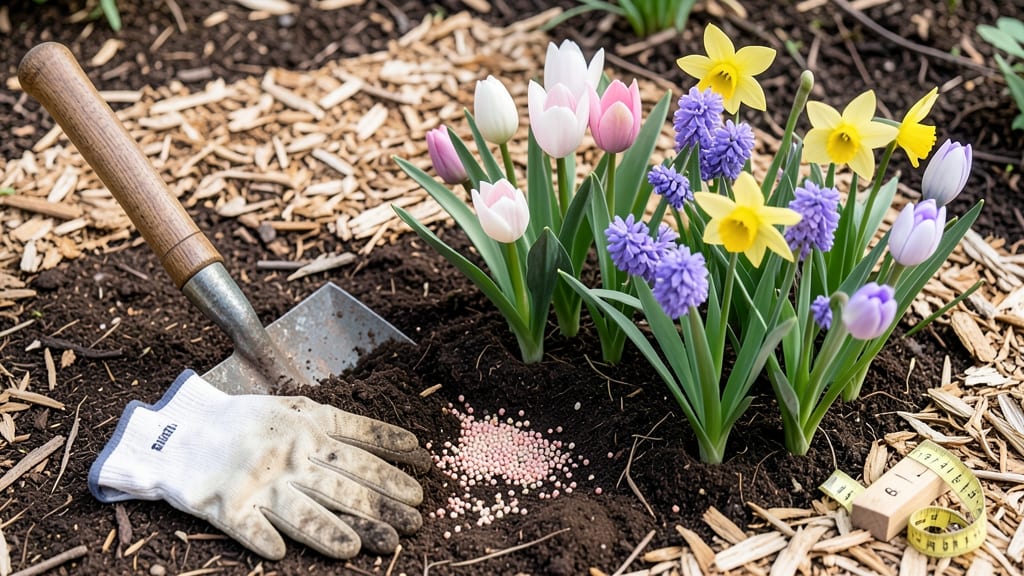
Planting spring flowering bulbs 🌷 at the right time is the secret to vibrant blooms next spring — and the answer isn’t just "fall" or "spring."
Timing is everything when planting spring flowering bulbs—plant too early, and they’ll rot; too late, and you’ll miss peak blooms. But with the right zone-based schedule, you can transform your garden into a vibrant spring showcase with minimal effort.
For most gardeners in USDA Zone 6a, the ideal window is late September through November, giving bulbs time to root before winter. But if you’re in a warmer region or missed fall planting, early spring (March–April) is your second chance.
Below, I’ll break down the exact months by zone, the soil conditions that make or break success, and the one mistake that kills more bulbs than anything else. Ready to plan ahead for next year’s showstopper display?
Exact planting months for spring flowering bulbs by USDA hardiness zones
Planting spring flowering bulbs like tulips, daffodils, and hyacinths at the right time ensures vibrant blooms next season. The key is timing—plant too early, and bulbs rot; too late, and they won’t establish roots before winter.
Your USDA hardiness zone dictates the perfect window, but soil temperature and frost dates also play critical roles. Let’s break down the exact months for zones 3 through 9, including adjustments for early vs. late varieties.
Most gardeners focus on fall planting because bulbs need 6–8 weeks of cool soil (40–50°F) to root before winter. However, early spring planting (March–April) works in warmer zones (7–9) or for late-blooming varieties.
Below, I’ve mapped out the ideal planting months by zone, plus soil temperature tips to avoid common mistakes.
⚠️ PRO TIP: Use a soil thermometer to confirm temperatures—bulbs should go in when soil is below 60°F but not frozen. In colder zones (3–5), aim for 40–50°F soil; in warmer zones (8–9), 50–60°F is ideal.
In zones 3–4, where winters are harsh, plant tulips and crocuses by late September to give them time to root before the ground freezes. Daffodils, however, are hardier and can handle later planting—even November in these zones.
For zones 5–6, aim for October–November, but avoid planting after the first frost, or bulbs may fail to establish.
Gardeners in zones 7–8 have flexibility: they can plant in late fall (November–December) or switch to early spring (March). This works especially well for daffodils, which thrive in milder winters.
In zones 9–10, fall planting is riskier due to warm soil—opt for December–January or wait until March–April for spring planting.
For early vs. late varieties, timing matters even more. Early bloomers (like crocuses) need to be planted 6–8 weeks before frost, while late tulips can wait until November in cooler zones. Always check the bulb packaging—it often lists the bloom time to guide your schedule.
Regional adjustments are key. In the Pacific Northwest (zone 7–8), plant in October–November to avoid wet winters. In the Southeast (zone 8–9), spring planting (March) is often safer. And in the Midwest (zone 5–6), aim for October to beat early frosts.
Don’t forget to adjust for microclimates. A south-facing slope warms faster than a shady spot, so plant earlier in sunny areas. Conversely, delay planting in low-lying or shaded spots where soil stays cooler.
A quick check with a soil thermometer ensures you’re planting at the right time, even if the calendar suggests otherwise.
Once you’ve nailed the timing, focus on soil prep: loosen the soil to 12 inches deep, mix in compost, and ensure good drainage. Plant bulbs at 3x their height (e.g., a 2-inch bulb goes 6 inches deep) to protect them from freezing and thawing cycles.
With the right timing and care, your garden will burst into color come spring!
Critical factors that determine perfect planting timing (beyond zones)
While USDA zones give you a starting point, soil temperature is the real game-changer for spring bulbs. Most varieties need 60°F soil to root properly—too warm, and they’ll sprout too soon; too cold, and they’ll rot.
Use a soil thermometer to check 6-8 inches deep, the depth where bulbs settle.
Avoid relying solely on frost dates—local microclimates can shift your timing by weeks. A south-facing slope warms faster than a shady corner, so adjust your schedule accordingly.
For example, in Zone 5, I plant daffodils in October, but my neighbor on the hillside plants in mid-November without issues.
Not all spring bulbs bloom at the same time. Early bloomers like crocuses need planting 4-6 weeks before your first frost, while late bloomers (tulips, hyacinths) can wait until 6-8 weeks out. Check seed packets for days-to-bloom estimates—this tells you exactly when to adjust your schedule.
If you’re in a warmer climate (Zones 8-10), fall planting might not work—soil stays too warm, and bulbs sprout prematurely. Instead, plant in late winter (January-February) when temperatures drop. I’ve seen tulips planted in December in Southern California bloom beautifully by February.
One non-negotiable rule: Never plant spring bulbs when the ground is frozen or waterlogged. Use a garden fork to loosen compacted soil first—this prevents root suffocation and improves drainage. For heavy clay soils, mix in compost or sand to create the ideal well-draining environment.
For container gardening, timing shifts slightly. Plant in late fall or early spring, but move pots to a cool garage or basement if temperatures dip below 40°F (4°C).
This mimics natural dormancy and prevents premature sprouting. Pro tip: Use lightweight potting mix to avoid crushing bulbs during planting.