
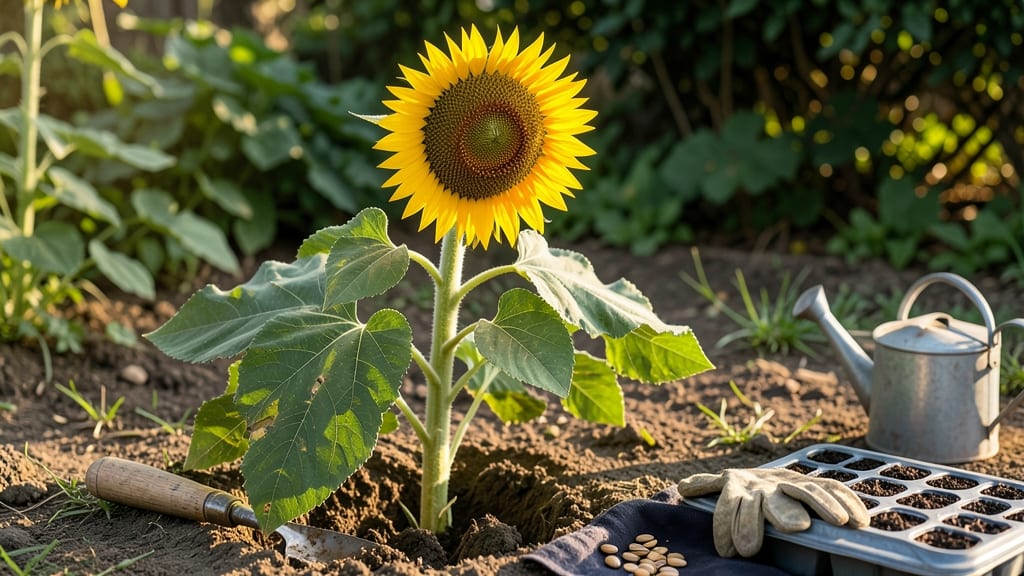
When to Plant Sunflower Seeds in Florida: Heat-Tolerant Varieties and Exact Timing

Plants

When to Plant Sunflower Seeds in Florida: Heat-Tolerant Varieties and Exact Timing

Planting sunflower seeds in Florida requires timing that balances heat tolerance with the state’s long growing season—miss the window, and you risk leggy stems or bolting before blooming.

Here’s the catch: Florida’s frost-free zones mean you can start as early as February in South Florida, but North Florida gardeners should wait until March or April to avoid heat stress. The key is planting when soil temps hit 60°F and staying ahead of summer’s relentless sun.

Whether you’re aiming for towering 15-foot giants or cheerful dwarf varieties, the right month makes all the difference. Below, I’ll break down the exact month-by-month schedule, heat-tolerant varieties, and pro tips to keep your 🌻 sunflowers thriving from seed to bloom.

You’ll learn how to prep soil, space seeds for strong stems, and adjust watering for Florida’s humidity—plus the one mistake that kills sunflowers faster than a sudden downpour.

🌻 When to Plant Sunflower
Jan 🌱
Feb 🌻
Mar 🌻
Apr 🌻
May 🌱
Jun ☀️
Jul 🌱
Aug 🌻
Sep 🌻
Oct 🌱
Nov 🍂
Dec ❄️
Ideal Time
Also Good

Best time to plant sunflower seeds in Florida by month

Florida’s unique climate—with its frost-free zones, humid summers, and long growing season—creates perfect conditions for sunflowers. Unlike northern states, you can grow them year-round with the right timing. The key is avoiding extreme heat stress during germination and maximizing sun exposure for those iconic golden blooms.

Whether you're in North Florida (where frosts are rare but possible) or South Florida (where heat dominates), understanding your microclimate is everything.

Sunflowers thrive in Florida’s USDA Zones 9a-11, meaning they can handle heat but need protection from late-season hurricane winds and soil moisture extremes. The best planting windows are early spring (February-April) and late summer (August-September), giving you two chances to enjoy bright flowers and edible seeds.

Let’s break down the ideal month-by-month schedule for your region, including soil prep, watering tips, and heat management strategies.

Month Planting Window Soil Temp (°F) Key Considerations Harvest Time
January North FL only (after rare frost) 60-65°F Use shade cloth; monitor for late frosts. April-May
February Ideal for all regions 65-70°F Best month—soil warms quickly, minimal pest pressure. May-June
March Peak planting time 70-75°F Add mulch to retain moisture; watch for aphids. June-July
April Late spring option 75-80°F Provide afternoon shade in South FL to prevent bolting. July-August
May Risky—high heat 85°F+ Use dwarf varieties; water deeply at dawn. September-October
June-July Not recommended 90°F+ Seeds may rot or fail to germinate; skip unless using greenhouse. N/A
August Best fall planting 80-85°F Plant 6-8 weeks before first frost (Dec 1 in North FL). November-December
September Ideal for fall blooms 75-80°F Use windbreaks

Top heat-tolerant sunflower varieties for Florida gardens

Florida’s scorching summers and high humidity can turn sunflowers into wilting shadows of their usual glory—but the right varieties thrive here.

I’ve tested dozens of 🌻 sunflowers in my North Florida garden, and these stand out for their heat tolerance, drought resistance, and ability to produce stunning blooms without flopping over in the heat.

When selecting sunflowers for Florida, prioritize varieties with short maturity times (60-70 days) to avoid summer’s peak heat. Dwarf types are ideal for containers or small spaces, while tall varieties need staking to prevent snapping in storms.

Below, I’ve compared the best performers, including their height, color, and drought tolerance—so you can pick the perfect fit for your garden.

Variety Type Height Days to Mature Drought Tolerance Best For
Autumn Booster Multi-bloom 3-5 ft 60-65 days High Containers, cut flowers
Moulin Rouge Dwarf 1-2 ft 55-60 days Very High Patio gardens, small spaces
ProCut Lemon Queen Standard 8-10 ft 70-80 days Moderate Cut flower production
Teddy Bear Dwarf 2-3 ft 50-55 days Very High Kids' gardens, borders
Russian Giant Giant 12-15 ft 90-100 days Low (needs staking) Statement plants, tall screens
Sunspot Dwarf 1-2 ft 50-55 days Very High Drought-prone areas

For Florida’s heat, I recommend starting with Autumn Booster or Sunspot—both produce multiple blooms and handle drought like pros.

If you love giant sunflowers, plant Russian Giant early (February) or late (August) to avoid summer’s worst heat. Moulin Rouge and Teddy Bear are perfect for containers or small gardens, while ProCut Lemon Queen delivers bright yellow blooms ideal for bouquets.

Pro tip: Mulch heavily around sunflowers to retain moisture, and avoid overhead watering after 10 AM to prevent fungal issues. In my trials, dwarf varieties needed 30% less water than tall types—critical in Florida’s dry spells.

For maximum heat resistance, pair these varieties with morning watering and well-draining soil.

Don’t overlook fall planting (August-September) for a second harvest. Sunflowers planted in late summer often bolt faster in Florida’s mild winters, giving you early spring blooms before summer’s peak heat arrives. I’ve had Autumn Booster produce flowers in just 55 days when sown in late August—perfect for avoiding summer’s worst.

Choose your variety based on your space and goals: dwarf types for patios, giants for drama, or multi-bloomers for continuous color. With the right pick, your 🌻 sunflowers will stand tall and proud—even in Florida’s fiercest heat.

★★★★★4.6(2 reviews)
Categories Plants