
Propagation
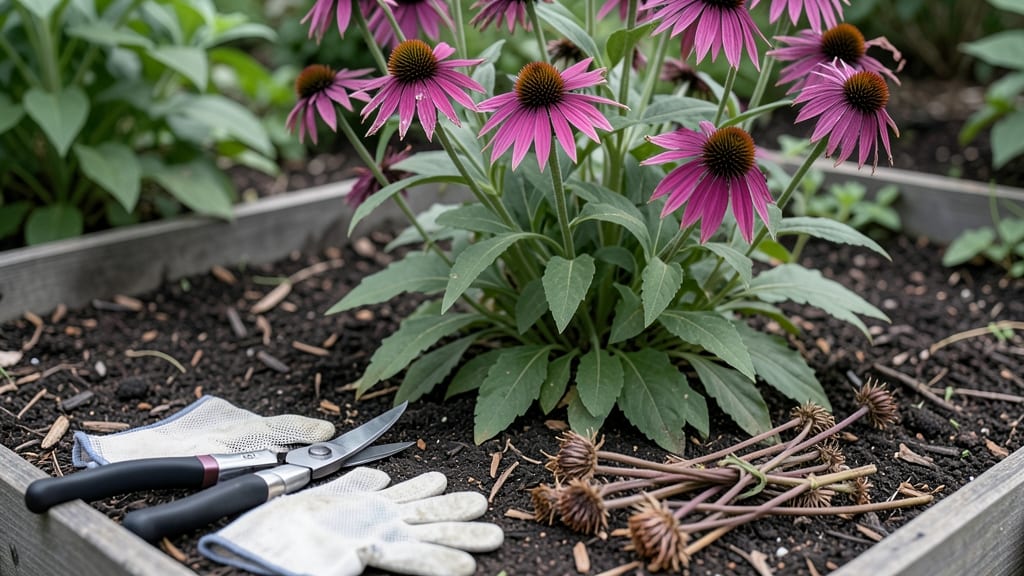
Cutting coneflowers at the right time ensures bold blooms next season and keeps your garden thriving 🌼 — and the best window isn’t what most gardeners guess.
Struggling to decide when to prune your coneflowers? Timing this task wrong can mean fewer blooms next season—or worse, inviting pests into your garden. The secret to vibrant purple blooms lies in understanding the perfect late-winter pruning window.
Most gardeners wait until spring, but that’s too late. In Zone 6a, the ideal time is late February or early March, just as new growth starts to peek through the soil. This timing gives your coneflowers enough time to recover before summer’s heat arrives.
Below, I’ll walk you through the exact steps, including how to spot when your plants are ready and what to avoid—so you can enjoy a garden full of healthy, thriving coneflowers all season long.
Best late winter months to cut coneflowers for optimal regrowth
Late winter is the perfect window to prune your coneflowers for next year's vibrant blooms. Cutting too early can shock the plant, while waiting too long risks pest infestations or weak regrowth. The ideal timing depends on your USDA zone and local climate patterns.
In cold climates (Zones 3-6), aim for February to early March when soil begins thawing but before new growth emerges. For mild zones (7-10), January to February works best while avoiding frost risks. This timing ensures your plants enter their growth cycle with clean, healthy foliage.
Why late winter? Pruning now removes dead stems, improves airflow, and prevents fungal diseases. It also gives your coneflowers a head start on spring growth, resulting in fuller blooms by summer. The key is cutting before the plant's natural regrowth begins.
Here's a quick reference for your region:
| Zone | Best Pruning Month | Signs It's Ready | Avoid Pruning If |
|---|---|---|---|
| 3-6 (Cold) | February-March | Soil thawed 2-3 inches deep | Frost predicted within 48 hours |
| 7-10 (Mild) | January-February | Daytime temps above 50°F | New shoots appear |
| All Zones | Before March 15 | Dead stems visible | Snow cover remains |
Look for dry, brown stems as your first sign it's time to prune. These dead stalks from last year's blooms are ready for removal. Healthy green growth should remain untouched—this indicates the plant is still dormant and can handle pruning.
Never prune in deep winter (December-January in cold zones) as this can expose tender roots to freezing temperatures. The 3-inch soil thaw rule is my go-to guide: if you can dig 3 inches deep without hitting frozen ground, it's safe to prune.
For container-grown coneflowers, wait until you see new buds forming on the stems. Containers warm up faster, so they often need pruning 1-2 weeks later than in-ground plants. Always use sterilized pruners to prevent disease spread between cuts.
After pruning, mulch around the base with 2-3 inches of organic material. This protects roots from late frosts and retains moisture for spring growth. Avoid heavy mulching if your region still experiences freezing nights.
If you miss the late-winter window, don't panic—early spring pruning (March-April) still works, though you may sacrifice some early blooms. The most critical mistake is pruning after new growth appears, which can stunt your plant's development for the season.
Pro tip: Mark your calendar for February 15th as your final deadline. By this date, most coneflowers in the U.S. will be ready for their late-winter haircut—just in time for spring's arrival! 🌱
Step-by-step late winter pruning guide: how to cut coneflowers without harming the plant
Late winter is the perfect time to prune your coneflowers, but doing it wrong can stress your plants. The key is cutting just above the crown—never too low—while avoiding fresh growth.
This ensures your coneflowers bounce back with vibrant blooms next season. Let’s break it down step by step so you avoid common mistakes like over-pruning or cutting at the wrong time.
Before you grab your shears, check for dormant but healthy stems. If you see any green shoots peeking through the soil, your coneflowers are ready. If not, wait another week.
The goal is to stimulate new growth without shocking the plant. Once you’ve confirmed the timing, follow these steps to prune like a pro.
🌿 Step-by-Step Late Winter Pruning Guide
- 1 Wait for the right signs: Prune only when no green shoots are visible, but the ground feels slightly warmer. In Zone 6a, aim for late February to early March.
- 2 Gather your tools: Use clean, sharp pruners or bypass shears. Disinfect blades with rubbing alcohol to prevent disease spread. Avoid dull tools—they crush stems.
- 3 Cut at the right height: Trim stems 1-2 inches above the crown (the swollen base where leaves emerge). Never cut into the crown—this can kill the plant. Aim for 30-50% of the plant’s height remaining.
- 4 Remove dead or damaged stems: Look for brown, mushy, or hollow stems. Cut these out completely to improve airflow and reduce pest risks. Healthy stems should feel firm and green at the base.
- 5 Dispose of cuttings properly: Place pruned stems in a compost bin (if disease-free) or trash (if diseased). Avoid leaving cuttings in the garden—they can harbor fungus or pests.
- 6 Revive struggling plants: If your coneflowers look weak after pruning, water deeply and apply a light layer of compost. Avoid fertilizing until new growth appears—wait until late spring.
One of the biggest mistakes I see is cutting coneflowers too low in late winter. If you accidentally sever the crown, your plant may never recover. Always leave at least 1-2 inches of stem above the base.
Another common error? Pruning in early winter when the plant is fully dormant. This stresses the roots and delays spring growth.
After pruning, keep an eye out for new shoots within 3-4 weeks. If you don’t see any by early April, your coneflowers might need a boost of compost or mulch.
Healthy plants will reward you with full, vibrant blooms by mid-summer. With the right timing and technique, your coneflowers will thrive for years to come!
Pro tip: Mark your pruning calendar for next year—late February or early March is your target. Set a reminder so you never miss the ideal window again. Your future self (and your garden) will thank you! 🌼