
Flowers
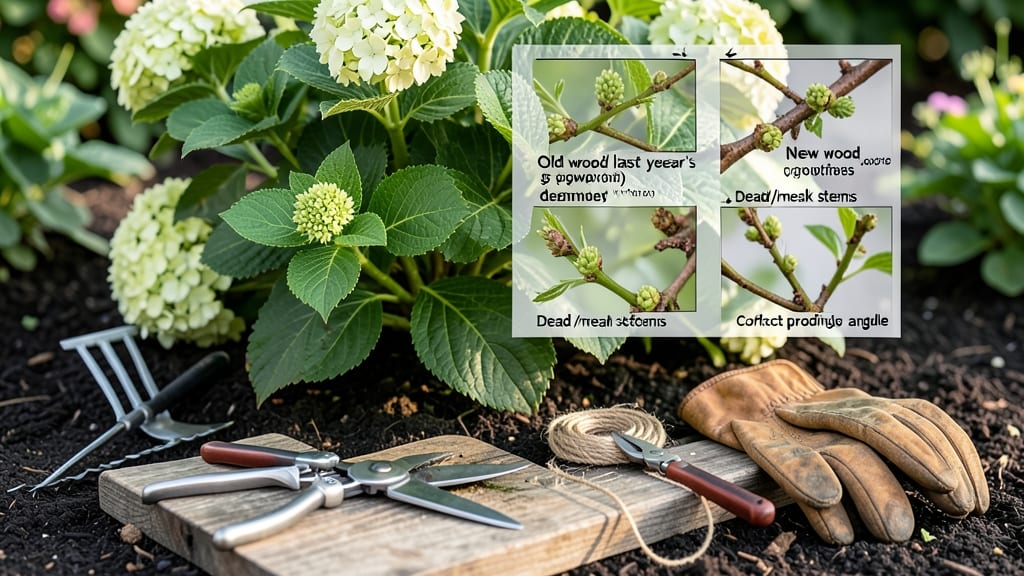
Cutting hydrangea flowers at the right time ensures next year’s best blooms—and skipping the window can leave you with bare stems.
Struggling to decide when to prune your hydrangeas? Timing makes all the difference between stunning blooms next season and missed opportunities—here’s the science-backed guide every gardener needs.
Mophead and lacecap varieties bloom on old wood, while panicle and oakleaf thrive on new growth. Cut too early, and you risk losing next year’s flowers; wait too long, and the plant struggles to recover.
Below, I break down the exact seasonal cues for USDA Zone 6a, common mistakes to avoid, and step-by-step pruning tips to keep your 🌸 hydrangeas healthy and vibrant.
Best time to Cut hydrangea flowers by type (old vs new wood)
Pruning hydrangeas at the wrong time can mean the difference between a showstopping display of blooms and a bare-branched disappointment. The key lies in understanding whether your hydrangea blooms on old wood (last year’s growth) or new wood (current year’s growth).
Miss the window, and you might sacrifice next season’s flowers entirely!
Most gardeners make the mistake of pruning hydrangeas in late winter or early spring without checking their type. For mophead and lacecap hydrangeas (like Hydrangea macrophylla), cutting too early removes next year’s flower buds already formed on old wood.
Meanwhile, panicle and oakleaf hydrangeas (Hydrangea paniculata and Hydrangea quercifolia) thrive when pruned in late winter or early spring because they bloom on new growth.
Here’s the critical timeline you need to follow, broken down by type:
If you’re unsure which hydrangea you have, look at last year’s blooms: mophead and lacecap varieties produce flowers on thick, woody stems from the previous season. Panicle hydrangeas, on the other hand, have conical clusters that form on current year’s growth. Oakleaf hydrangeas are the most forgiving—they can bloom on both old and new wood, but pruning too late still risks stunted growth.
For mophead and lacecap types, the late summer pruning window (after flowers fade) is non-negotiable. Wait too long, and you risk cutting off next year’s buds before they form.
I once pruned my mophead hydrangea in February, and it barely bloomed that summer—a lesson I won’t repeat! Always wait until late August or September to trim these varieties.
For panicle and oakleaf hydrangeas, late winter or early spring is your best bet. These types thrive on new growth, so pruning in February or March (after the last frost) encourages robust flowering.
If you live in a warmer climate (like USDA Zone 8+), delay until March or April to avoid encouraging early, frost-sensitive growth.
One common mistake is assuming all hydrangeas follow the same rules. I’ve seen gardeners shear their mophead hydrangeas into perfect spheres in early spring, only to be left with bare stems all summer.
If you love the look of a manicured hydrangea, opt for panicle varieties like ‘Limelight’ or ‘Little Lime’, which are new wood bloomers and far more forgiving.
Pro tip: Use sharp, clean pruners and sterilize them with rubbing alcohol between cuts to prevent disease. After pruning, apply a layer of mulch around the base to protect roots and retain moisture.
For mophead and lacecap types, you can also pinch back new growth in early summer to encourage bushier, more compact plants.
Remember, hydrangeas are resilient, but timing is everything. If you miss the window, don’t panic—just adjust your approach for next year. With the right cuts, your hydrangeas will reward you with vibrant blooms that last from summer to fall. 🌸
Step-by-step pruning guide for hydrangea flowers in fall vs spring
Pruning hydrangeas at the wrong time can mean no flowers next year. Late fall and early spring are the two key windows, but each serves a different purpose. Fall pruning focuses on cleanup after frost, while spring pruning shapes growth for summer blooms.
For USDA Zone 6a, I recommend waiting until after the first frost (typically mid-October) to prune mophead and lacecap varieties. This protects next year’s buds hidden in last year’s wood. Panicle and oakleaf hydrangeas, however, can handle a light trim in late fall to remove dead stems.
When to Cut Hydrangea Flowers
- Late Fall (After Frost): Prune mophead and lacecap only to remove dead/diseased stems. Avoid cutting back old wood buds.
- Early Spring (Before Bud Break): Prune panicle and oakleaf to 1/3 of their height or shape mophead/lacecap by removing old flower heads.
- Tools Needed: Bypass pruners, sterilized shears, and gloves to protect from thorns.
- What to Remove: Dead stems, crossing branches, and weak growth to improve airflow.
- Never Cut: Bud clusters on mophead/lacecap or new growth on panicle/oakleaf before late spring.
Start by removing dead or diseased stems first—these can harbor pests or fungal issues. Use sterilized pruners to make clean cuts just above a bud or leaf node. This encourages healthy regrowth and prevents infections.
For mophead and lacecap hydrangeas, avoid cutting back into old wood unless you’re okay with skipping next year’s blooms. These varieties rely on last year’s growth to produce flowers, so prune lightly in late fall and wait until late winter/early spring for shaping.
After pruning, apply a 2-inch layer of mulch around the base to protect roots during winter. Water deeply but let the soil dry slightly before frost to prevent root rot. In early spring, fertilize lightly with a balanced 10-10-10 to support new growth.
If you miss the fall window, don’t panic—just wait until late winter (after the last frost) to prune. The key is to never prune after buds form in spring, as this removes next year’s flowers.
With the right timing, your hydrangeas will reward you with lush, vibrant blooms all season. 🌿