
Propagation
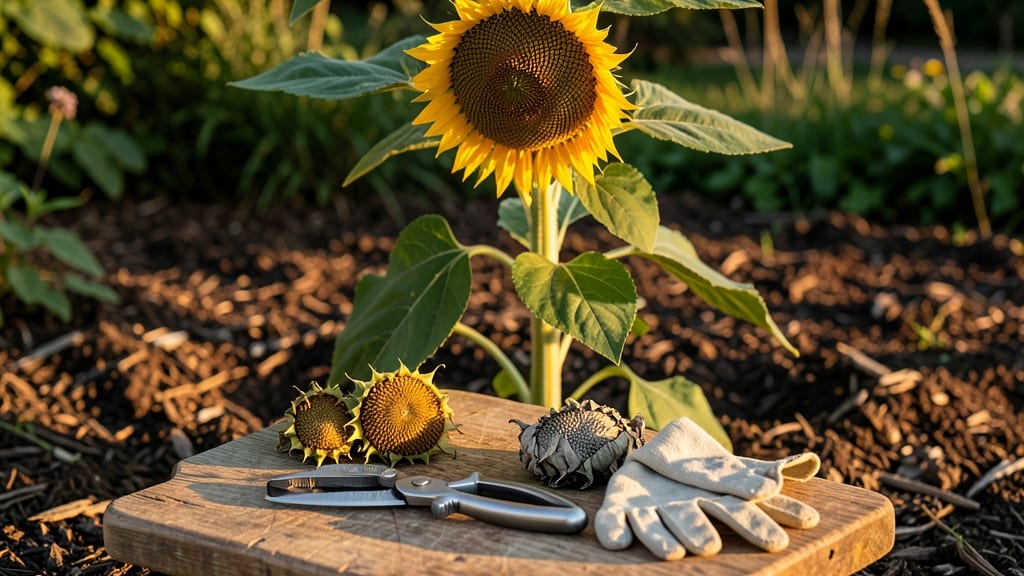
Cut sunflower heads when the petals turn brown and the seed head feels dry but seeds haven’t scattered yet — timing this right means the difference between saving seeds for next year’s garden or watching them vanish into the wind.
You’ve spent months nurturing your 🌻, and now the moment of truth arrives: harvest too early, and the seeds won’t mature. Wait too long, and birds or weather will steal them. The secret lies in those golden-brown petals and the telltale rattle of mature seeds inside.
This isn’t just about seed saving—whether you’re crafting dried bouquets or filling bird feeders, the right cut ensures you get the most from your sunflowers. Below, I’ll walk you through the exact cues to watch for, the best weather conditions, and how to store your harvest for long-term use.
From checking seed color to avoiding common mistakes, you’ll learn how to turn your sunflower harvest into next year’s garden or a stunning centerpiece—without a single seed wasted.
Best time to cut sunflower heads for seed saving
Timing is everything when harvesting sunflower heads for seed saving. Cut too early, and your seeds won’t mature properly. Wait too long, and you’ll lose them to birds or wind. The key is watching for visual maturity cues that signal perfect readiness.
These cues include dry seed heads, brown petals, and a distinctive rattling sound when you shake the head gently.
Most sunflower varieties reach seed maturity between 80 to 120 days after planting, depending on your climate zone. In warmer regions like USDA Zones 8-10, this typically falls in late summer to early fall.
Cooler zones (like Zones 3-6) may need to harvest earlier, around mid to late August, before the first frost hits.
| Maturity Stage | Visual Cues | Action | Climate Adjustments |
|---|---|---|---|
| Early Flowering | Petals fully open, yellow centers | Monitor daily for maturity | Warmer zones: 3-4 weeks to maturity |
| Peak Maturity | Petals turn brown, seed head dry | Cut stems 2-3 inches below head | Cooler zones: Harvest 1-2 weeks earlier |
| Overripe | Seed head splits, seeds scatter | Seeds may not germinate well | All zones: Avoid this stage |
| Seed Readiness | Seeds rattle when shaken | Hang heads upside down to dry | Humid climates: Dry indoors |
To confirm seed readiness, perform the shake test. Hold the sunflower head and give it a gentle shake. If seeds inside rattle like a maraca, they’re ready.
If they feel moist or don’t rattle, wait 3 to 5 more days before checking again. This test is foolproof and saves you from harvesting too soon.
Once you’ve confirmed maturity, use a clean, sharp pruner to cut the stem 2 to 3 inches below the head. This prevents the stem from lodging in your drying area.
Remove any remaining petals to speed up the drying process, but leave the seed head intact. Place the heads in a well-ventilated, dry location like a garage or shed.
Drying takes 1 to 2 weeks, depending on humidity levels. In humid climates, you may need to dry them indoors with a fan circulating air. Once fully dry, the seed head should crumble easily when rubbed between your fingers.
Store seeds in a paper envelope in a cool, dark place for up to 3 years.
For gardeners in northern climates, timing is extra critical. First frost can damage seed heads before they mature. If frost threatens, harvest heads slightly earlier than ideal and dry them indoors under a grow light or sunny window.
This ensures you still get viable seeds for next season’s planting.
If you’re saving seeds from heirloom or hybrid varieties, label each envelope with the variety name and harvest date. This helps track which seeds performed best in your garden. Pro tip: Store a small sample of seeds in the freezer as a backup—this preserves viability for decades.
Don’t let birds or squirrels steal your hard work! Cover drying heads with fine mesh netting if wildlife is a problem in your area. This simple step can save you from losing an entire harvest to hungry critters.
With the right timing and care, you’ll have a plentiful supply of sunflower seeds ready for next year’s garden.
Remember, the earlier you start monitoring for maturity, the better your chances of a successful harvest. Set a reminder to check your sunflowers weekly in late summer, and you’ll never miss the perfect moment to cut.
How to harvest sunflower heads for long-lasting bouquets
For bouquets that last weeks, timing is everything. Cut sunflower heads when the petals turn fully brown but before the seed head releases seeds—this ensures your blooms stay vibrant and sturdy.
The ideal window is mid-to-late morning when stems are hydrated but still firm, giving you the best vase life.
Harvesting too early means soft stems that wilt quickly, while waiting too long risks scattered seeds and brittle stems. Look for crisp petals that easily detach from the seed head—this is your cue to cut.
The best time of day is crucial: early morning ensures stems are fully hydrated for transport.
When to Cut Sunflower Heads for Bouquets
- Sturdy stems for longer vase life
- Bright, vibrant petals that last 7-10 days
- Seed heads remain intact for decor
- Stems wilt faster (3-5 days max)
- Petals fade quickly in water
- Seed heads may not dry properly for crafts
- Dry seed heads add rustic texture to arrangements
- Stems are extra sturdy for heavy blooms
- Seeds can be saved for next year
- Seeds may scatter before use
- Petals become brittle and drop quickly
- Stems weaken from seed loss
Once you’ve made the cut, re-cut stems immediately under water to prevent air bubbles that block nutrient uptake. Remove lower leaves that would sit submerged—this keeps water clean and bacteria-free.
For maximum vase life, change the water every 2-3 days and add a flower preservative (or a pinch of sugar and bleach) to slow wilting.
If you’re harvesting multiple heads, consider cutting whole stems for bouquets—they hold more water and last longer. For individual heads, use sharp pruning shears and leave a 1-inch stem to prevent drying. Store extras in a cool, dark place with stems in water until you’re ready to arrange them.
Pro tip: Hang heads upside down in a dry, airy spot to dry completely for winter decor. Once fully dry, the seed heads will last years and can be used in wreaths, potpourri, or bird feeders. The key is acting at the right moment—neither too soon nor too late.
With the perfect cut, your sunflower bouquets will outshine any store-bought arrangement—and you’ll have seeds left for next year’s garden. Happy harvesting! 🌻