
How To
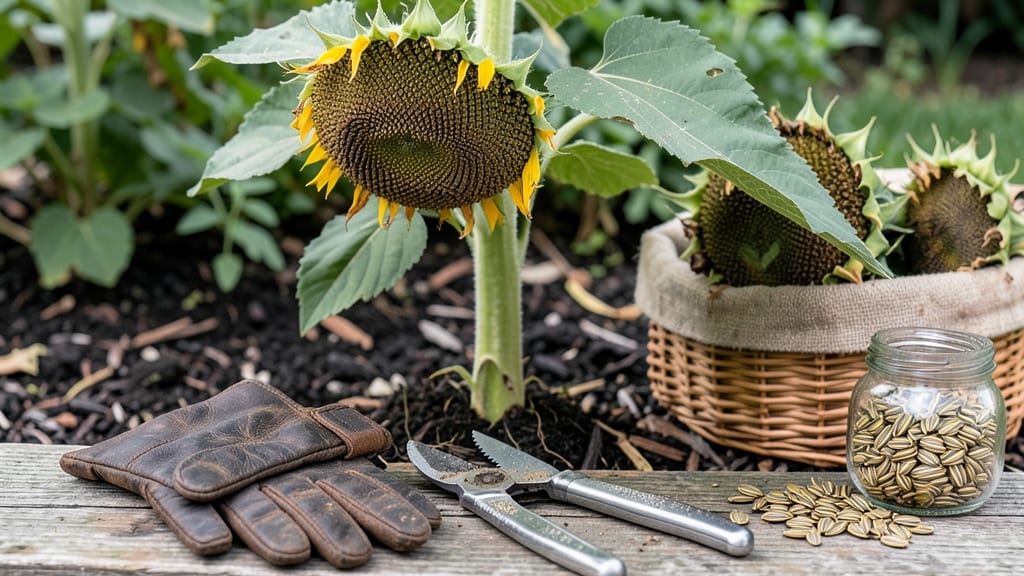
Harvest sunflower heads at the right time, and you’ll get seeds bursting with flavor and petals perfect for cooking—wait too long, and you’re left with bitter disappointment.
Picture this: your 🌻 sunflowers are towering over the garden, their golden faces tracking the sun like nature’s own compass. But how do you know when to snip the stem without ruining the harvest?
The answer lies in the color of the petals, the firmness of the seed head, and the looming threat of frost.
Most gardeners wait until the petals turn brown and the back of the head turns a deep, papery yellow—this is your cue that the seeds inside are fully mature. But harvest too early, and the seeds won’t store well; too late, and birds will beat you to the feast.
In USDA Zone 6a, that window typically opens in late August, just before the first frost.
Below, I’ll break down the exact visual and texture cues to watch for, plus how to handle your harvest once you’ve got it—so you can enjoy sunflower seeds straight from your garden all winter long.
Sunflower head color & texture: the 3 key harvest indicators
Harvesting sunflower heads at the right time ensures the best flavor, texture, and seed viability. The three key indicators—petal color, head firmness, and seed maturity—work together to signal peak harvest readiness. Ignoring these cues can lead to bitter petals, underdeveloped seeds, or wasted effort.
For example, harvesting too early means soft, unripe seeds, while waiting too long risks seed scatter and tough petals.
First, focus on the petal color transition. Mature sunflowers start with bright golden-yellow petals that gradually darken to brownish-gold as they age. The back of the petals also shifts from green to dull yellow, a critical visual cue.
This color change indicates the plant is redirecting energy from petals to seed development, ensuring optimal nutrient storage in the seeds.
Next, check the seed head firmness. A ready-to-harvest sunflower head should feel plump and dry to the touch, like a slightly overripe avocado. Press gently—if the head resists slightly but doesn’t dent, it’s harvest-ready.
Overripe heads become hollow-sounding when tapped, while underripe heads feel soft and spongy. This texture test is especially useful for giant varieties like Mammoth, where seed heads can be heavy.
Finally, inspect the seed maturity by peeling back a small section of the seed casing. Fully mature seeds should be plump, dry, and dark-colored (black, gray, or striped, depending on the variety). If the seeds are still white or translucent, they need more time on the stalk.
For edible seed varieties, like those used in birdseed mixes, this step is non-negotiable—immature seeds lack the rich, nutty flavor you crave.
| Harvest Indicator | Ready for Harvest | Not Ready | Best Use |
|---|---|---|---|
| Petal Color | Brownish-gold, drooping | Bright yellow, fully open | Seeds, dried flowers |
| Head Firmness | Plump, dry, firm | Soft, spongy, hollow | Seed extraction |
| Seed Maturity | Dark, plump, dry | White, translucent, soft | Greens, immature eating |
For edible sunflower greens, harvest the leaves and stems when the plant is still in the vegetative stage (before flowering). Young leaves are tender and slightly sweet, perfect for salads or sautéing.
Wait until the flower buds are 4-6 inches tall but haven’t yet opened—this ensures the greens are nutrient-dense without bitterness. If you’re growing sunflowers for ornamental purposes, like dried arrangements, harvest the heads when the petals are fully brown but still intact.
Timing also depends on your climate and variety. In hot, dry regions, sunflowers mature faster due to accelerated growth, while cooler climates may extend the harvest window.
For instance, dwarf varieties like Teddy Bear mature in 60-70 days, while giant varieties like Russian Giant take 120+ days. Always adjust your harvest timing based on local frost dates—sunflowers won’t survive frost, so plan to harvest before the first 28°F (-2°C) night.
Once you’ve confirmed all three indicators, harvest on a dry, sunny morning to preserve seed quality. Use a sharp pruning shears or knife to cut the head cleanly, leaving a 1-inch stem.
Immediately hang the heads upside down in a well-ventilated, dry space (like a garage or barn) to dry for 1-2 weeks. Proper drying prevents mold and ensures seeds stay viable for 1-2 years when stored in airtight containers.
Pro tip: If you’re growing sunflowers for birdseed, let some heads dry on the stalk until they naturally scatter—this is nature’s way of ensuring optimal seed maturity. For culinary uses, like roasted sunflower seeds, harvest when the seeds are fully mature but before they scatter.
This balance guarantees the best flavor and texture for your dishes.
Remember, every sunflower variety has unique maturity traits. For example, confetti sunflowers (with multicolored petals) may take slightly longer to mature than single-color varieties. Always monitor your plants closely and adjust your harvest timing based on these visual and tactile cues.
With practice, you’ll develop an eye for the perfect moment to harvest—ensuring your sunflowers deliver their full potential, whether for seeds, greens, or stunning floral displays.
Harvest timing by sunflower variety: annual vs. perennial differences
Not all sunflowers reach maturity at the same time—your giant Mammoth varieties need a full 100-120 days to harvest, while Teddy Bear dwarf sunflowers mature in just 60-70 days.
These differences aren’t just about size; they directly impact when you can expect to harvest seeds, greens, or even dried flower heads for arrangements. Perennial sunflowers like Helianthus annuus add another layer, often producing multiple harvests across seasons.
The biggest mistake I see gardeners make is treating all sunflowers the same—assuming a 6-foot Teddy Bear follows the same timeline as a 12-foot Mammoth. In reality, dwarf varieties often peak 4-6 weeks earlier than their towering cousins.
This timing shift means you could harvest your Teddy Bear greens in early August while your Mammoth seeds aren’t even close to readiness.
Here’s the key difference: Annual sunflowers (like Mammoth) focus all their energy on one massive harvest, while perennial varieties spread their harvest windows across multiple years.
If you’re growing Helianthus annuus, you might get two harvests per season—one in early fall and another in late spring—if you protect the plants from winter dieback.
| Variety Type | Days to Maturity | Primary Harvest Window | Harvest Stages | Perennial Potential |
|---|---|---|---|---|
| Mammoth (Annual) | 100-120 days | Late August-September | Seeds, dried flowers | No (dies after harvest) |
| Teddy Bear (Dwarf Annual) | 60-70 days | Early August | Greens, seeds, flowers | No (annual cycle) |
| Helianthus annuus (Perennial) | 70-90 days (first year) | Late August + Spring | Seeds, greens, flowers | Yes (multi-year harvest) |
| Autumn Beauty (Annual) | 85-95 days | Mid-September | Dried flowers, seeds | No (one-season) |
🌻 Pro Tip: Perennial sunflowers often produce smaller but more frequent harvests than annuals.
If you’re growing Mammoth sunflowers for seeds, mark your calendar for late August—that’s when their back petals turn golden and the seed head feels dry to the touch.
Dwarf varieties like Teddy Bear, however, are ready 4-6 weeks earlier, making them perfect for early-season greens or cut flowers before your giants mature.
For perennial sunflowers, the harvest game changes entirely. These plants often re-sprout in spring after their first harvest, giving you a second chance at seeds or greens. I’ve seen Helianthus annuus produce two full harvests in one season if you protect them from frost and provide consistent moisture.
The trade-off? They take 2-3 years to reach their full harvest potential.
One final tip: Always harvest annual sunflowers before the first frost—even if the seeds aren’t fully mature. Frost turns seeds bitter and makes them unusable. For perennials, cut back dead foliage in late fall to encourage new growth next spring.
With the right variety mix, you can enjoy sunflower harvests from early summer to late fall—no waiting required! 🌾