
Plants
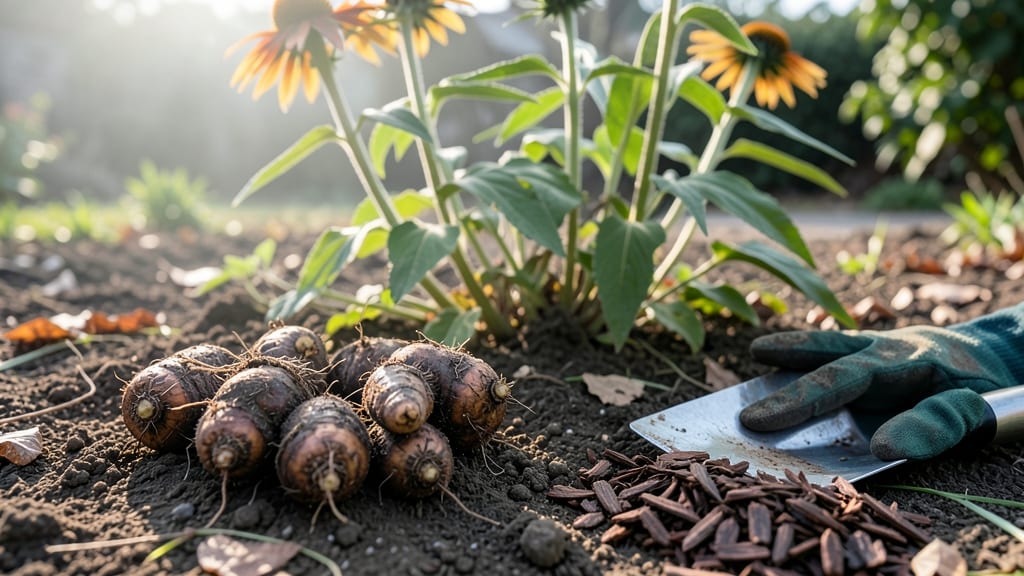
Planting coneflower bulbs at the right time ensures vibrant blooms and healthy growth—aim for early fall or early spring when soil temps hit 40–50°F.
Timing is everything when planting coneflower bulbs—plant too early, and they’ll rot; too late, and they won’t bloom. Master soil temperature tricks to ensure perfect purple blooms year after year.
Coneflowers thrive in USDA Zone 6a and beyond, but the best window varies by region. In cooler climates, fall planting gives roots time to establish before winter, while warmer zones may prefer early spring.
Below, I’ll break down the ideal soil conditions, regional planting schedules, and pro tips to avoid common mistakes—so your 🌼 coneflowers put on a show every season.
Ideal soil temperature for planting coneflower bulbs
Coneflowers (Echinacea) thrive when planted in cool soil temperatures between 40°F and 50°F. This range allows bulbs to establish roots before ground freezes or summer heat sets in. Planting too early risks rot, while planting too late delays blooming.
Understanding your local soil conditions ensures healthy growth from the start.
Most gardeners focus on air temperature when planning, but soil temperature is the true indicator for bulb success. Coneflower bulbs need 4-6 weeks in cool soil to root before winter dormancy or summer stress begins. Use a soil thermometer for accuracy—air temps can mislead you by 10°F or more.
A soil thermometer costs under $10 and takes readings at 4-inch depth, the ideal planting level for coneflower bulbs. Check temps twice daily—morning and evening—to account for daily fluctuations. In USDA zones 3-5, aim for 40-45°F soil in fall; zones 6-9 prefer 45-50°F.
Regional adjustments matter! In cool climates (zones 3-5), plant bulbs 6-8 weeks before first frost, typically in September or early October. Warmer zones (6-9) can extend planting until November or even early December, as soil stays cooler longer. Always verify your last frost date for precision.
🌱 Coneflower Planting Soil Temp Guide
| USDA Zone | Ideal Soil Temp | Planting Window | Key Tip |
|---|---|---|---|
| 3-5 | 40-45°F | Sept 15-Oct 15 | Cover with mulch after planting |
| 6-7 | 42-48°F | Oct 1-Nov 15 | Soil stays workable longer |
| 8-9 | 45-50°F | Nov 1-Dec 15 | Plant in cooler microclimates |
If your soil runs warmer than 50°F, wait until temperatures drop naturally or use shade cloth to cool planting areas. Coneflower bulbs can tolerate brief exposure to 55°F soil, but prolonged heat stresses roots. For spring planting, wait until soil warms to 50°F and stays above freezing.
Test soil moisture alongside temperature—dry soil heats faster than damp soil. Water lightly 24 hours before planting to stabilize temps. Avoid soggy conditions, which can cause rot. In sandy soils, temps fluctuate wildly; mulch with straw or wood chips to moderate extremes.
Container gardeners face unique challenges. Potted soil warms 10-15°F faster than ground soil. Use black plastic pots to absorb heat in fall or white pots to reflect heat in spring. Move containers to shaded areas if soil exceeds 50°F before planting time.
Pro tip: Plant coneflower bulbs deeper in warm zones (2-3 inches) to reach cooler soil layers. In cold zones, keep them shallower (1-2 inches) for easier spring emergence. Always plant bulbs pointy end up—this ensures proper root development.
Monitor soil temps for 7-10 days post-planting to confirm roots establish. If temps spike above 55°F, mulch heavily with 3-4 inches of organic mulch. Coneflowers reward precise timing with vibrant blooms from summer through fall.
Best planting months by climate Zone for coneflower success
Coneflowers (Echinacea) thrive when planted at the right time, but the perfect window depends on your USDA climate zone. In cool climates (Zones 3-6), aim for early fall planting—4-6 weeks before the first frost—to give roots time to establish.
Meanwhile, warm climates (Zones 7-9) can plant in late winter or early spring when soil warms to 50°F.
Transitional zones (like Zone 6a) offer flexibility—both fall and spring work, but fall is ideal. Always check your last frost date and adjust timing to avoid rot or dormancy issues. Below, I’ll break down the best months for each zone, plus pro tips for success.
- 🌱 Cool Climates (Zones 3-6): Plant September–October (4-6 weeks before frost). Soil should be 50–60°F.
- 🌡️ Warm Climates (Zones 7-9): Plant December–February (avoid summer heat). Soil must be 40–50°F.
- ⏰ Transitional Zones (Zone 6a): Fall (Sept) or Spring (March–April). Prioritize fall for stronger roots.
- ❄️ Frost-Free Rule: Never plant when soil temps exceed 60°F—roots will scorch.
- 🌿 Pro Tip: Use a soil thermometer to confirm temps before planting.
For Zone 3-6 gardeners, September is the gold standard—planting too late risks frost damage, while early fall gives roots a head start. In Zone 7-9, December-February avoids summer’s brutal heat, but don’t delay past March or blooms may suffer.
If you’re in a transitional zone (like Zone 6a), split your planting: 60% in fall for established roots and 40% in spring as a backup. Always mulch after planting to retain moisture and regulate soil temps.
Remember: Coneflowers are perennials, so proper timing now means years of low-maintenance blooms. Mark your calendar, test that soil, and watch your garden transform with vibrant purple coneflowers!