
Flowers
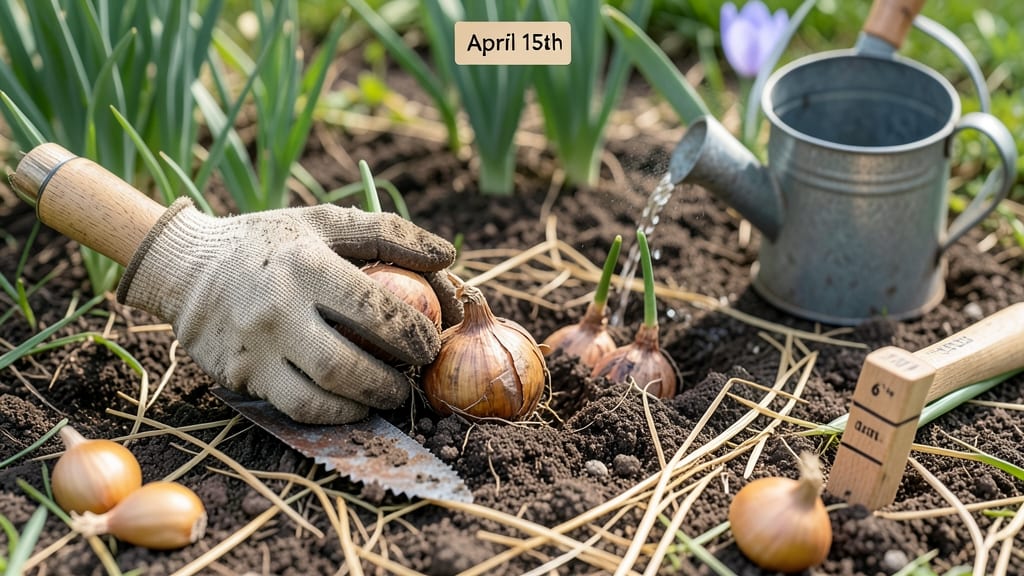
Planting flower bulbs in spring at the right time 🌷 means the difference between a garden bursting with tulips and daffodils and a season of disappointment.
Timing is everything when planting flower bulbs in spring—plant too early, and they’ll rot; too late, and you’ll miss the bloom season entirely. But with the right zone-based schedule, you can transform your garden into a vibrant display of tulips, daffodils, and hyacinths year after year.
Most gardeners in USDA Zone 6a (like me) wait until after the last frost—typically mid-April—when soil temperatures hit 50°F or warmer. That’s when bulbs wake up from dormancy and start growing roots without the risk of freezing.
Below, I’ll break down the best months by zone, how to test your soil’s readiness, and the three biggest mistakes that kill spring bulbs before they even sprout. No more guessing—just peak blooms every season.
Best spring planting months for flower bulbs by USDA hardiness zones
Spring is the perfect time to plant flower bulbs like tulips, daffodils, and hyacinths—but the exact timing depends on your USDA hardiness zone. Planting too early risks rot from cold soil, while waiting too long may delay blooms.
The key is understanding your local frost dates and soil temperatures to create a vibrant garden display every season.
Most gardeners focus on fall planting for spring blooms, but spring planting is ideal for tender bulbs or missed opportunities. Below, I’ll break down the best months for planting flower bulbs in zones 3 through 10, including early, mid, and late spring windows tailored to your region’s climate.
For example, in Zone 3, where winters are harsh, you’ll want to wait until late April or early May. Meanwhile, in Zone 10, with mild winters, you can start as early as February.
Microclimates—like sheltered garden spots or urban heat islands—can also shift your planting window by 2-4 weeks.
Before we dive into the schedule, remember: soil temperature should be at least 50°F (10°C) for most bulbs to thrive. Use a soil thermometer to check, or look for sprouting shoots as a natural cue. Now, let’s get to the month-by-month breakdown!
In Zones 3-4, where frost lingers into May, aim for late April to early June planting. Daffodils and tulips are hardy choices here, thriving even in cold climates.
For Zone 5-6, you have a broader window from early April to late May, perfect for alliums and crocus, which bloom early and attract pollinators.
Warmer zones like 7-8 offer earlier planting opportunities, starting as early as February in sheltered areas. Here, hyacinths and lilies shine, with blooms lasting from late spring into summer.
If you’re in Zone 9-10, you can plant tropical bulbs like rain lilies or cannas as early as January, taking advantage of mild winters.
Don’t forget to prepare your soil before planting! Loosen the earth to a depth of 12 inches and mix in compost or well-rotted manure to improve drainage.
Bulbs need well-draining soil to prevent rot, especially in heavy clay or waterlogged areas. After planting, water deeply to settle the soil around the bulbs.
For container gardening, use pots with drainage holes and plant bulbs in well-draining potting mix. This is especially useful in urban areas or for gardeners with limited space.
Just ensure containers are placed where they’ll receive at least 6 hours of sunlight daily, as most bulbs thrive in full sun to partial shade.
Finally, mark your calendar for next year! Note the last frost date in your area and plan to plant 4-6 weeks after for optimal results. With the right timing, your garden will burst into color year after year, turning heads and filling the air with fragrance. Happy planting!
How to tell when your local soil is ready for spring bulb planting
Spring bulb planting isn’t just about the calendar—it’s about your soil’s readiness. I’ve learned the hard way that planting too early in cold, wet soil can drown bulbs before they sprout, while waiting too long might mean missing the ideal bloom window.
The key is checking three critical factors: soil temperature, moisture levels, and frost risk. Let’s break down how to test each one like a pro.
First, check your soil temperature—most flower bulbs need soil that’s consistently 50°F or warmer at a depth of 4-6 inches. Use a soil thermometer (they’re cheap and game-changing) to test in the morning.
If it’s below 50°F, your bulbs will struggle to establish roots. In my Zone 6a garden, this usually means waiting until mid-April, but your mileage may vary based on microclimates.
Next, assess moisture levels. Bulbs need well-draining soil, but they’ll rot if planted in soggy ground. Stick your finger 6 inches deep—if it feels damp but not waterlogged, you’re good to go.
For heavy clay soils, I mix in compost or perlite to improve drainage before planting. Sandy soils, on the other hand, benefit from a thick layer of organic matter to retain moisture.
Don’t forget to monitor frost dates. Even if your soil is warm, a late frost can kill tender shoots. Check your local USDA frost calendar and wait at least 2-3 weeks after the last expected frost.
For extra protection, I plant bulbs in raised beds or cover them with frost cloth if frost is forecasted in the next week.
🌱 3 Signs Your Soil Is Ready for Spring Bulbs
- ✅ Soil temp: 50°F+ at 4-6" depth
- ✅ Moisture: Damp but not soggy (6" test)
- ✅ Frost risk: No frost in forecast for 2+ weeks
Pro tip: Test soil in multiple spots—shady areas stay cooler and wetter longer than sunny patches.
For heavy clay soils, I take extra steps like amending with aged compost or coconut coir to loosen the texture. Clay holds moisture for too long, which can suffocate bulbs. If your soil is sandy and dry, add peat moss or well-rotted manure to help retain water.
Both adjustments make a huge difference in bulb survival rates—trust me, I’ve tested it!
Finally, observe your local wildflowers and weeds. When crocuses and daffodils start popping up naturally, it’s a sign that your soil is warming up and ready for planted bulbs.
Even better, if you see dandelions blooming, it’s a reliable indicator that the ground is thawed and safe for planting in most zones.
Once you’ve confirmed all three conditions—warm soil, proper moisture, and frost-free forecast—grab your bulbs and get planting! Remember, timing is everything, but with these tests, you’ll never guess again. Happy gardening! 🌷