
Flowers
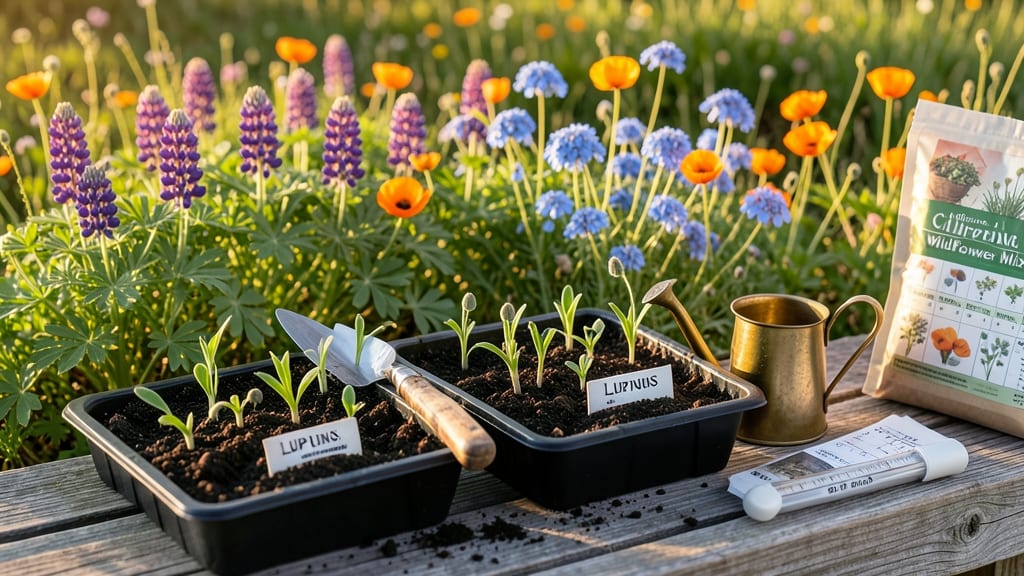
Planting flowers in California depends on your exact microclimate—coastal fog or desert heat can shift deadlines by months, and getting it wrong means blooms that never arrive.
California’s diverse climate—from coastal fog to desert heat—means flower planting deadlines vary wildly by region. Get these microclimate-specific timelines wrong, and your blooms could arrive late to the party (or not at all).
Inland valleys like Sacramento need fall planting for spring blooms, while coastal zones like Santa Barbara can sow seeds year-round. Even drought-resistant varieties like lavender 🌸 thrive best when timed to soil warmth and frost risks.
Below, I break down exact planting windows by USDA zone, adjust for unpredictable weather, and share the top 5 fall flowers that outperform spring options in California’s climate.
California flower planting deadlines by USDA Zone (coastal vs. desert vs. valley)
California’s diverse microclimates create a gardener’s paradise—but also a planting puzzle. While coastal areas like Santa Barbara (Zone 9-10) enjoy year-round growing potential, inland valleys like Sacramento (Zone 7) face frost risks, and desert regions near Death Valley (Zone 9) demand heat-tolerant varieties.
Timing is everything, and missing these windows can mean stunted blooms or no flowers at all. Let’s break down the optimal planting deadlines for your region.
First, understand California’s five key gardening zones and their frost-free periods. Coastal areas rarely see frost, while inland valleys experience 100+ frost-free days annually. Desert regions like Palm Springs (Zone 10) have extreme heat but no frost, while San Francisco (Zone 9) stays mild year-round.
Each zone dictates when to plant cool-season flowers like poppies versus heat-loving annuals such as zinnias.
Here’s a comparison table of planting deadlines by zone, including popular flowers and their ideal timing. Use this as your garden calendar guide to maximize blooms.
For coastal gardeners (Zones 9-10), the key is planting cool-season flowers in winter and warm-season blooms in spring. In Santa Barbara, you can even grow tulips in December without frost risk.
Meanwhile, valley gardeners (Zone 7) must time plantings to avoid late spring frosts, which can kill tender seedlings. Aim to plant annuals like zinnias in April once soil warms to 60°F.
Desert regions like Palm Springs (Zone 10) require heat-loving varieties that thrive in 100°F+ temperatures. Succulents and cacti planted in October establish roots before summer heat peaks.
Meanwhile, roses in Sacramento (Zone 7) need early spring planting (March) to bloom by summer, but they’ll need regular watering to survive the valley’s dry spells.
Microclimates add another layer! Even within Los Angeles (Zone 10), Santa Monica’s coastal breeze delays planting by 2 weeks compared to dry inland areas like Pasadena. Use these local adjustments to fine-tune your schedule.
For example, lavender in Santa Barbara can be planted in September, but in Fresno (Zone 7), wait until October to
How to adjust planting times for California’s unpredictable weather patterns
California’s weather can shift faster than a coastal breeze—one day it’s 60°F and sunny, the next it’s 90°F with zero warning. These swings throw off planting schedules, especially for flowers that thrive in consistent conditions.
I’ve learned the hard way that rigid deadlines don’t work here. Instead, I adjust based on soil temperature, fog patterns, and even El Niño forecasts.
For example, coastal gardeners in Zone 9-10 might plant marigolds in January, while inland Zone 7 gardeners wait until March. The key is flexibility—using seed-starting indoors for early blooms and container gardening to control microclimates in urban areas. Let’s break down how to stay ahead of California’s chaos.
California’s coastal fog and inland heatwaves can trick you into planting too early. If nighttime temps drop below 50°F, tender seedlings like petunias or geraniums will bolt or rot. Use a minimum-maximum thermometer to track soil temps—aim for 60°F+ before direct sowing.
Start with soil temperature checks—not just air temps. I use a soil thermometer ($10 at garden centers) to confirm when to plant cool-season flowers like pansies or warm-season favorites such as zinnias.
For Zone 5-7 (inland valleys), wait until soil hits 55°F for seeds; Zone 9-10 coastal areas can plant 2-4 weeks earlier.
Urban gardeners with container gardens have an advantage—they can move pots to shade or sun as weather shifts. I keep trailing lobelia and calibrachoa in 10-inch pots on my balcony, rotating them to avoid midday heat stress.
For ground plants, add 3 inches of mulch to regulate soil temps and retain moisture during La Niña droughts.
Seed-starting indoors is my secret weapon for beating unpredictable weather. Begin 6-8 weeks before your last frost date (check USDA Zone 7a for inland areas, Zone 9b for coasts).
Use grow lights to supplement coastal fog delays—my snapdragons and sweet peas get a head start under LEDs before transplanting in late February.
Don’t forget El Niño/La Niña forecasts. During El Niño years (wetter winters), I plant drought-tolerant flowers like lavender and yarrow earlier, knowing the extra rain won’t scorch them. In La Niña years (drier), I prioritize mulching and drip irrigation to protect seedlings from sudden heatwaves.
Finally, embrace fall planting—it’s often more reliable than spring. Many annuals (like calendulas and stock) thrive when sown in September-October, avoiding the spring heat rush. I’ve seen 30% longer bloom seasons from fall-planted flowers because they establish roots before summer stress hits.