
Flowers
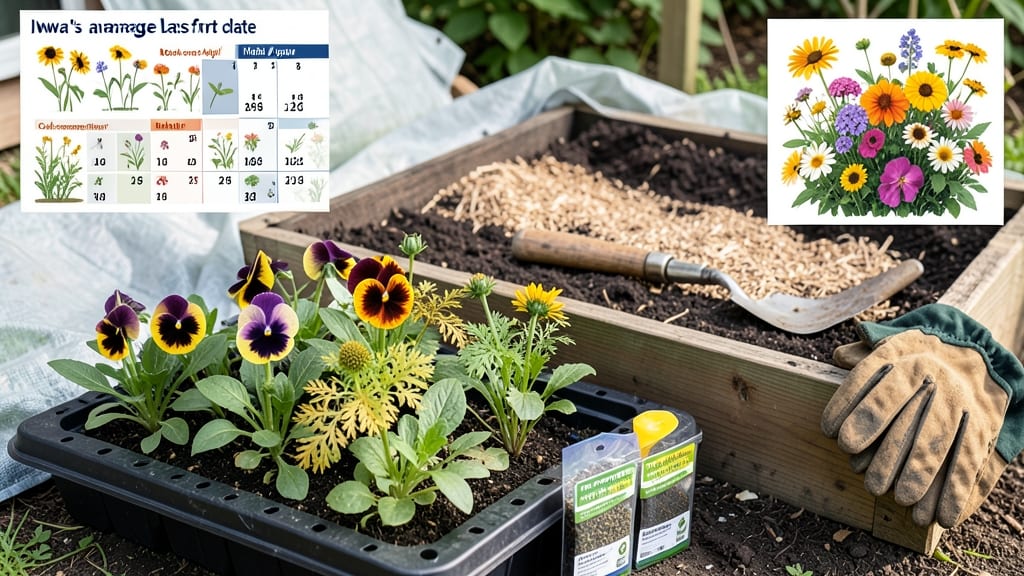
Planting flowers in Iowa at the right time means the difference between a vibrant garden and a frost-nibbled disappointment — and the exact dates depend on your hardiness zone and the type of blooms you’re dreaming of.
Iowa’s unpredictable spring weather can turn a beautiful flower garden into a risky gamble—unless you know the exact frost-free planting windows for your hardiness zone. Timing is everything, and getting it wrong could mean wilting blooms before they even bloom.
For gardeners in zones 5a-5b, the ideal window starts as early as late April for cold-hardy perennials like coneflowers and black-eyed Susans, while tender annuals like petunias should wait until after the average last frost date of April 15. But what if the weather throws you a curveball?
In this guide, I’ll break down the zone-by-zone planting calendar, share my go-to tricks for adjusting to Iowa’s fickle weather, and highlight the top flowers that thrive when planted early, late, or even as a last-minute rescue. Let’s get those 🌸 blooming on schedule!
Iowa’s frost-free planting dates by USDA hardiness zone (2024 guide)
Iowa’s USDA Hardiness Zones 4a–5b experience dramatic spring temperature swings, making frost-free planting dates critical for flower success. In Zone 4a (northwest Iowa), the average last frost date arrives around May 10, while Zone 5b (southeast Iowa) typically sees frost-free conditions by April 25.
These dates shift weekly—sometimes even daily—so I always recommend using the 10-day rule: Wait 10 days after your zone’s average last frost before planting tender annuals like petunias or marigolds.
For cold-hardy perennials and bulbs (e.g., tulips or daffodils), you can plant as early as late March in Zone 5b or early April in Zone 4a. However, tender varieties like geraniums or impatiens must wait until after Memorial Day in most areas.
My soil thermometer is my secret weapon—plant when soil reaches 50°F for annuals or 40°F for hardy perennials.
Regional microclimates add another layer of complexity. Urban areas like Des Moines (Zone 5a) often warm up 3–5 days earlier than rural farms, while northeast Iowa (Zone 4a) can linger in frost risk until May 15.
I’ve learned to adjust by 1–2 weeks based on elevation—hills warm faster than valleys. For containers, extend your season by 2–3 weeks using black plastic mulch or frost blankets.
| USDA Zone | Avg Last Frost | Safe Planting Window | Cold-Hardy Flowers | Tender Annuals |
|---|---|---|---|---|
| 4a (NW IA) | May 10 | May 20–June 5 | Tulips, Peonies, Coneflowers | After June 10 |
| 4b (Central IA) | May 1 | May 10–May 25 | Daffodils, Lavender, Black-Eyed Susans | After May 25 |
| 5a (SE IA) | April 25 | May 5–May 20 | Bearded Iris, Daylilies, Shasta Daisies | After May 10 |
| 5b (Extreme SE IA) | April 15 | April 25–May 10 | Crocuses, Bleeding Heart, Lupines | After April 30 |
Iowa’s 10-day rule is non-negotiable for tender plants. For example, if your zone’s last frost is April 25, wait until May 5 to plant petunias or begonias, even if nighttime temps feel warm. I’ve seen late-May frosts in Zone 5b wipe out entire garden beds—don’t skip this step!
For perennials, divide and transplant in early spring (March–April) before buds swell, or in early fall (September) to establish roots before winter.
Container gardeners have a slight advantage: pots warm up faster than soil, so you can plant 2–3 weeks earlier than in-ground flowers. I always fill containers with heat-absorbing materials like black fabric or dark mulch to accelerate warming.
For bulbs, plant in fall (September–October) for spring blooms, but in early spring (March) for summer-flowering varieties like dahlias.
Missed the frost-free window? Don’t panic! Heat-loving annuals like cosmos and zinnias thrive when planted in late June–July and bloom until frost. I’ve even seen sunflowers planted in early August produce stunning fall color.
For tender perennials, start seeds indoors 8–10 weeks before your last frost date to get a head start.
Pro tip: Use frost cloth or
How to adjust planting times for Iowa’s unpredictable weather patterns
Iowa’s weather can be as unpredictable as a toddler’s mood—one day it’s 70°F and sunny, the next it’s a 28°F frost that turns your tender seedlings into popsicles.
The key to beating Mother Nature’s curveballs is flexible planting strategies that account for soil temperature, microclimates, and backup plans for when the calendar says "go" but the weather says "wait."
As a zone 5a-5b gardener, I’ve learned that the average last frost date of April 15 is just a starting point. Rural areas often warm up faster than cities, and a soil thermometer is your best friend for confirming when it’s truly safe to plant.
Without adjustments, you might end up with frost-damaged blooms or stunted growth from planting too early.
- 🌡️ Step 1: Check Soil Temp – Wait until soil reaches 50°F (10°C) for most flowers. Use a soil thermometer (not air temp!) to avoid false starts.
- 🏙️ Step 2: Map Your Microclimate – Urban areas stay cooler longer. Plant heat-loving flowers (like zinnias) in sunny spots, while cool-season blooms (like pansies) thrive in shaded microclimates.
- ⏰ Step 3: Use the 10-Day Rule – If frost is forecasted within 10 days of planting, delay by 2–3 weeks or use row covers for protection.
- 🌱 Step 4: Start Cold-Hardy Flowers Early – Plant perennials like coneflowers in late March under row covers. They’ll establish roots before tender annuals like petunias.
- 📅 Step 5: Have Backup Dates – For zone 5a, note these secondary planting windows:
- Early bloomers (e.g., snapdragons): April 20–May 5
- Heat lovers (e.g., cosmos): May 15–June 1
- Late-season rescues (e.g., marigolds): June 10–July 1
One of my biggest mistakes was planting tender annuals like impatiens on April 10, only to watch them crisp in a late-May frost. Since then, I’ve sworn by the 10-day rule—if frost is in the forecast, I either delay planting or protect seedlings with frost cloth.
For high-value flowers like roses or peonies, I even keep a backup planting tray ready to move indoors if needed.
Don’t overlook container gardening as a lifesaver for late starters. Potted flowers warm up faster than in-ground plants, giving you an extra 2–3 weeks of flexibility.
I’ve had success with geraniums and petunias in containers planted as late as May 20—just move them to a sheltered spot if nights dip below 50°F.
For high-risk flowers (think $20+ per plant like daylilies or hydrangeas), I perform a 5-step risk assessment: 1. Check 7-day forecast for frost warnings. 2. Test soil moisture—dry soil warms faster than damp soil. 3. Observe nearby plants (e.g., lilacs blooming = safe for tender flowers).
4. Use a heat mat for seedlings if nights are chilly. 5. Have a spray bottle ready to protect new growth from black spot fungus if humidity spikes.
Remember, Iowa’s first frost typically arrives around October 15, but some years it comes as early as September 20.
If you’re still nursing along late-season bloomers like asters or chrysanthemums, keep an eye on the National Weather Service and be ready to harvest or cover plants if frost is forecasted within 48 hours.
With these adjustments, you’ll turn Iowa’s weather whims into blooming opportunities instead of gardening disasters. 🌷