
Plants
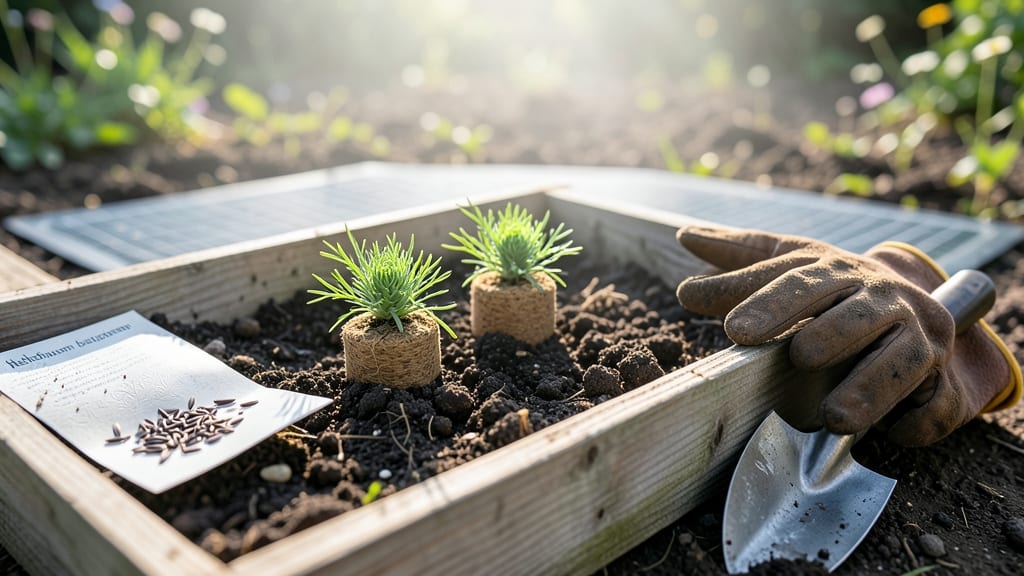
Plant strawflower seeds when soil temperatures hit 50–70°F—this is the magic window that turns flimsy seedlings into bold, long-lasting blooms 🌼.
Strawflowers are the secret weapon for long-lasting bouquets and vibrant summer gardens—but planting them at the wrong time means wilted dreams instead of blooming success. Timing is everything, and soil temperature holds the key to unlocking their full potential.
In most USDA Zone 6a areas, that means waiting until mid-April to early May, after the last frost date. Too early, and chilly soil stalls germination; too late, and you miss the spring growth spurt that sets up summer color.
Below, I’ll break down exactly how to time your planting—whether you’re sowing directly or starting indoors—plus pro tips to ensure your strawflowers thrive from seed to vase.
Optimal soil temperature ranges for strawflower seed germination
Strawflower seeds (Xerochrysum bracteatum) thrive when planted in soil that's warmed to the right temperature. For successful germination, aim for soil temperatures between 50°F and 70°F. This range ensures seeds break dormancy and sprout consistently, whether you're direct sowing or transplanting young seedlings.
Cold soil slows growth, while overheated soil can cause seeds to rot or fail to sprout entirely.
Most gardeners focus on air temperature when planning, but soil temperature is the true indicator of readiness. Strawflowers are frost-sensitive but tolerate heat once established, making early spring or late summer planting ideal in most climates.
The key is matching your planting window to when the soil warms to at least 55°F—this is typically 2-4 weeks after your last frost date.
Here’s how to test your soil temperature accurately: Use a soil thermometer (available for under $10) and check the temperature at a 2-inch depth—this mimics where seeds will be planted.
Morning readings are best since soil cools overnight. If your soil is below 50°F, wait a few days and retest; rushing can lead to poor germination rates.
In cooler climates (Zones 3-6), strawflowers are best sown directly in the garden after the last frost, typically April-May. Warmer regions (Zones 7-10) can also plant in late summer (August-September) for fall blooms, but ensure soil temps stay above 55°F during germination.
This second window works because strawflowers are drought-tolerant once established and can handle heat better than many annuals.
If you're starting seeds indoors for transplanting, use a heat mat to maintain 65-70°F soil temps. Without one, seeds may take 2-3 weeks longer to sprout. Once seedlings have 2-3 true leaves, harden them off before transplanting into 55°F+ soil.
Transplanting too early into cold soil stresses young plants and stunts growth.
Regional climate plays a huge role in timing. In northern states (Zones 3-5), focus on early spring planting—soil warms slowly, and frost risk lingers. Southern gardeners (Zones 8-10) can experiment with fall sowings for winter blooms, but monitor soil temps closely.
Strawflowers won’t germinate below 50°F, even if air temps are higher.
Pro tip: Mulch lightly after planting to help soil retain warmth. A thin layer of straw or shredded leaves (1-2 inches) can raise soil temps by 2-5°F on sunny days.
Avoid heavy mulch, which can cool soil too much. For container growers, use black plastic pots to absorb sunlight and keep soil warmer than ambient air temperatures.
Watch for uneven germination if soil temps fluctuate wildly. Strawflower seeds germinate best in consistent conditions. If your garden experiences cool nights and warm days, consider using a cloche or row cover to stabilize temps.
Seedlings emerging in 45°F soil may grow leggy or weak, reducing their chances of thriving long-term.
Remember, strawflowers are annuals with a short growing season—typically 90-120 days from seed to bloom. Planting at the right soil temperature ensures you’ll enjoy vibrant, long-lasting blooms from midsummer through fall. With the right timing, you’ll turn your garden into a cut-flower powerhouse that rivals commercial bouquets.
Best planting months by US hardiness Zones (Zone map guide)
Strawflowers thrive when planted at the right time, but their ideal window varies dramatically across USDA hardiness zones 3-10. Whether you're in frost-prone Zone 4 or mild Zone 9, understanding your local frost dates and soil warming patterns is key.
I've broken down the perfect planting months for each zone, including adjustments for high-altitude gardens and coastal microclimates where temperatures behave differently.
For most gardeners, the best time to plant strawflower seeds falls between late spring and early summer, but exact timing depends on your last frost date.
In Zones 3-5, you'll want to wait until after the last frost (typically May), while Zones 6-10 can start as early as March-April. Coastal areas may extend planting into June due to milder ocean-influenced temperatures.
⚠️ Frost risk is your biggest enemy. Strawflowers are frost-sensitive and won't survive temperatures below 32°F (0°C). Use this comparison table to find your zone's ideal planting window and adjust for local conditions:
If you're unsure about your zone, I recommend using the USDA Plant Hardiness Zone Map (available at planthardiness.ars.usda.gov) to pinpoint your exact location. For high-altitude gardens (above 5,000 feet), add 2-3 weeks to the recommended planting dates since soil takes longer to warm.
For coastal gardeners, ocean breezes can delay soil warming, so monitor soil temperature (ideal range: 50-70°F) with a simple soil thermometer. If your coastal area has frequent fog, consider using black plastic mulch to warm the soil faster.
In Zone 9-10, you can even get a fall planting for winter blooms by sowing in September.
Remember, strawflowers are annuals that thrive on warmth, so the goal is to get them established before summer heat sets in. If you miss the spring window, don't worry—you can often sow seeds again in late summer (August) for late-season blooms, especially in Zones 7-10.
The key is always soil temperature, not calendar months.