
Plants
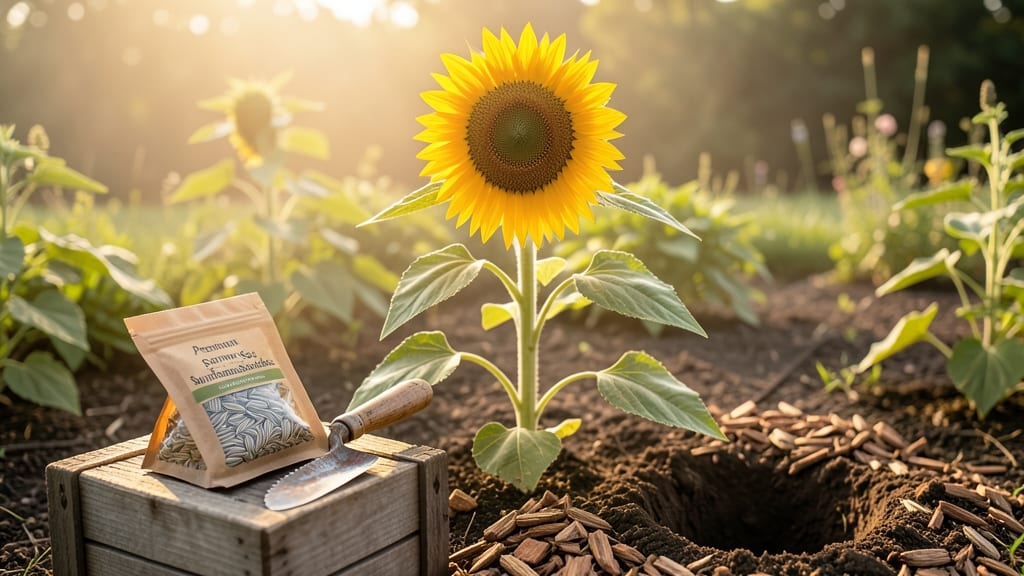
Plant sunflower seeds in Indiana between late April and mid-June when soil temperatures hit 55°F—that’s when your 🌻 blooms go from scraggly to sky-high.
Picture this: you’ve waited all winter for your garden to wake up, only to watch your sunflower seeds sprout too early and get nipped by frost. Or worse, you plant them in July and they bolt before they even get tall.
Timing isn’t just about the calendar—it’s about the first frost dates and soil warmth that turn seeds into giants.
Indiana’s USDA Zones 5b-6b mean your northern counties have a shorter window than the south, but the right prep—like loosening soil and spacing seeds 6 inches apart—can make all the difference.
Skip the guesswork, and you’ll end up with sunflowers that tower over your fence, not flop in the heat.
Below, I’ll walk you through the exact months to plant, how to tell when your soil is ready, and the one trick that keeps squirrels from stealing your seeds before they sprout.
Best planting months for sunflowers in Indiana’s USDA Zones 5 & 6
Indiana’s USDA Zones 5 and 6 offer perfect conditions for sunflowers, but the timing of planting can make or break your success. Sunflowers thrive in warm soil and long daylight hours, so planting too early risks frost damage, while waiting too late may cut your blooming season short.
For optimal growth, focus on late spring when soil temperatures consistently stay above 55°F (13°C)—a critical threshold for germination.
Northern Indiana (Zone 5b) typically has earlier frost dates than southern Indiana (Zone 6b), meaning your planting window shifts slightly. In the north, aim for late May to early June, while southern Indiana gardeners can start as early as mid-April if using frost cloth.
Always check your local last frost date—Indiana’s average ranges from April 15 to May 1, depending on the region.
Soil temperature is just as important as air temperature. Use a soil thermometer to confirm your garden bed has reached at least 55°F before planting. Cold soil slows germination and can lead to weak seedlings. In Zone 5b, wait until May 15 or later, while Zone 6b gardeners can start as early as April 20 in protected microclimates.
For maximum height and early blooms, prioritize planting in May. This gives sunflowers enough time to mature before Indiana’s first frost in October. If you’re growing giant varieties like ‘Mammoth’ or ‘Russian Giant’, aim for early May to ensure they reach their full 10-14 foot potential.
Dwarf varieties (1-3 feet) are more flexible and can tolerate slightly later plantings in June.
Don’t overlook fall planting as a secondary option. In Zone 6b, you can sow seeds in late July or August for a second harvest. These sunflowers will bloom later but still produce seeds before frost.
However, avoid fall planting in Zone 5b—the shorter growing season leaves little time for maturity.
| Planting Window | USDA Zone 5b (Northern IN) | USDA Zone 6b (Southern IN) | Soil Temp Requirement | Notes |
|---|---|---|---|---|
| Early Spring (Risky) | April 15-May 1 (with frost cloth) | April 1-May 1 (with frost cloth) | 50-55°F (10-13°C) | High frost risk; use row covers |
| Ideal Spring Window | May 15-June 15 | April 20-May 30 | 55-65°F (13-18°C) | Best for tall varieties; full sun |
| Late Spring/Fall Option | June 1-July 10 | June 1-August 1 | 60°F+ (16°C+) | Shorter varieties only; late blooms |
| Frost Dates | Last frost: April 15; First frost: Oct 15 | Last frost: April 1; First frost: Oct 30 | N/A | Adjust for microclimates (e.g., urban areas) |
If you’re unsure about your exact last frost date, use Indiana’s historical averages as a guide but stay flexible.
For example, Northern Indiana (Zone 5b) saw a late frost as recently as May 10, 2020, while Southern Indiana (Zone 6b) had an early frost on October 5, 2019. Always monitor weekly weather forecasts and have frost cloth ready for early plantings.
For direct sowing, plant seeds 1 inch deep and 6 inches apart in rows spaced 2-3 feet apart. This spacing prevents overcrowding and ensures each plant gets enough sunlight and nutrients.
If you’re growing giant sunflowers, increase spacing to 3 feet to accommodate their massive root systems. Use a stake or cage early to support tall varieties and prevent toppling in Indiana’s occasional wind storms.
After planting, keep soil moist but not soggy until germination (typically 7-14 days).
How to adjust planting time for giant vs. dwarf sunflower varieties
Not all sunflowers are created equal—and neither are their planting schedules. Giant varieties like 'Mammoth' need a longer growing season to reach their 10+ foot potential, while dwarf teddy bear types can handle later starts without sacrificing height.
In Indiana’s USDA Zones 5-6, this means timing your seeds just right to avoid frost damage or stunted growth.
For tall sunflowers, aim to plant between late April and early May when soil temps hit 55°F. Dwarf varieties? You’ve got flexibility—sow them 2-3 weeks later (mid-May) since they mature faster. The key is matching your variety’s days to maturity with Indiana’s 160-day frost-free window.
| Variety Type | Best Planting Window | Spacing Needs | Soil Prep | Bloom Time |
|---|---|---|---|---|
| Giant (Mammoth) | Late April - Early May | 18-24" apart | Loosen to 12" deep | July - August |
| Standard (6-10 ft) | Mid-April - Late May | 12-18" apart | Add compost | June - September |
| Dwarf (Teddy Bear) | Mid-May - June | 6-12" apart | Well-draining soil | July - October |
Giant sunflowers demand extra soil prep—work in 2 inches of compost and loosen the ground to 12 inches deep to accommodate their deep taproots. Dwarf varieties, meanwhile, thrive in well-draining soil with minimal prep, making them perfect for container gardening or small spaces.
Spacing is another game-changer. Mammoth varieties need 18-24 inches between plants to avoid competition, while dwarf types can huddle 6-12 inches apart. Crowd them too close, and your giants will lean like drunks at last call.
For maximum height potential, plant giant varieties in full sun spots with no afternoon shade. Dwarf types are more forgiving—6 hours of sun will do—but they’ll still reward you with earlier blooms if given prime real estate.
Pro tip: If you’re growing both types, stagger your planting by 2-3 weeks. This extends your bloom season from July through October, giving pollinators a nonstop buffet. Just remember—tall sunflowers need sturdy stakes before they top out at 12 feet.