
Flowers
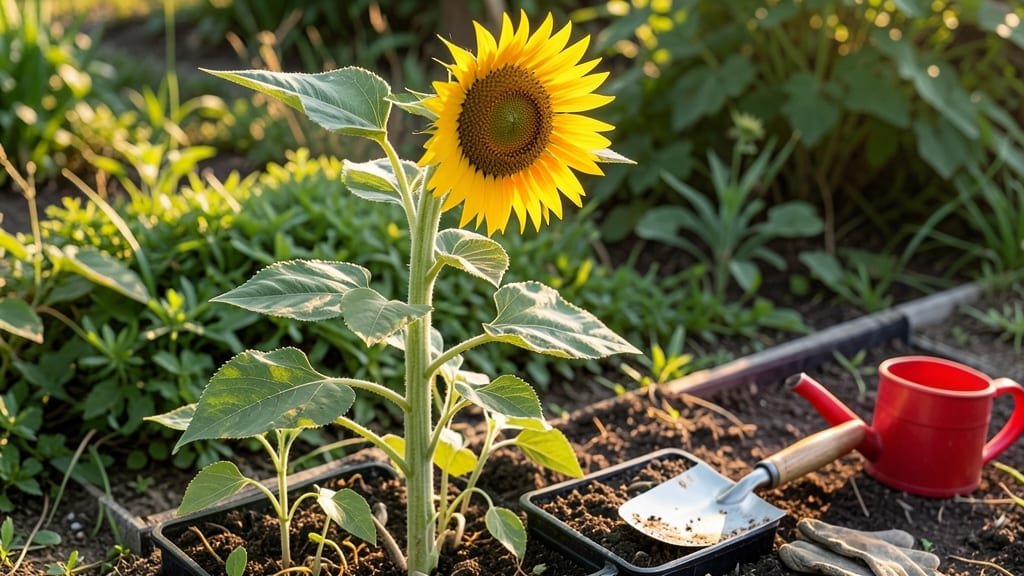
Planting sunflowers in Colorado at the right time means the difference between towering 🌻 blooms and stunted, frost-bitten stalks.
Colorado’s unpredictable frost dates and diverse microclimates can turn sunflower planting into a guessing game—unless you follow the right timing strategy. Get the exact month-by-month guide to ensure your sunflowers bloom tall, strong, and on schedule.
Most Colorado gardeners wait until after the last frost, typically mid-April to mid-June, but that’s not always the full story. High-altitude areas like Denver and Fort Collins (USDA Zones 5-6) need a different approach than the warmer Front Range.
In this guide, you’ll discover the ideal planting windows for your specific zone, soil temperature tips, and how to adjust for Colorado’s short growing season—so you can enjoy sunflowers that reach their full 10-foot potential.
Colorado sunflower planting calendar by frost-free zone (with exact dates)
Sunflowers thrive in Colorado’s bright sunshine and short growing season, but timing is everything. Plant too early, and frost will nip tender seedlings. Wait too long, and your giant sunflowers won’t reach their full height before winter.
Colorado spans USDA zones 4-7, each with unique frost dates and soil warming patterns. I’ll break down the exact planting windows for your specific zone, plus city-specific tips for Denver, Fort Collins, and Colorado Springs.
First, check your last frost date. Most Colorado cities experience frost until mid-April, but high-altitude areas like Leadville (zone 5) can see frost as late as May 15. Meanwhile, Colorado Springs (zone 6) typically warms up by April 1.
Soil temperature is just as critical—sunflowers need 50°F (10°C) soil to germinate. Use a soil thermometer to confirm before planting.
For direct sowing outdoors, aim for 2-4 weeks after your last frost date. In zone 7 (e.g., Pueblo), this means April 15–May 1. In zone 4 (e.g., Steamboat Springs), wait until May 15–June 1.
If you’re starting seeds indoors, begin 6-8 weeks before your last frost—so late February to early March for most of Colorado.
Here’s your zone-by-zone planting calendar, including soil temperature thresholds and city-specific examples:
| USDA Zone | Last Frost Date | Soil Temp Threshold | Direct Sowing Window | Indoor Start Window | City Example |
|---|---|---|---|---|---|
| Zone 4 (e.g., Steamboat Springs) | May 15 | 50°F (10°C) | May 15–June 1 | Late February–March 15 | Steamboat Springs |
| Zone 5 (e.g., Fort Collins) | April 20 | 50°F (10°C) | April 30–May 15 | Late February–March 10 | Fort Collins |
| Zone 6 (e.g., Denver, Colorado Springs) | April 15 | 50°F (10°C) | April 15–May 1 | Late February–March 5 | Denver, Colorado Springs |
| Zone 7 (e.g., Pueblo) | March 30 | 50°F (10°C) | March 30–April 15 | Late January–February 15 | Pueblo |
In Denver (zone 6), I recommend planting dwarf varieties like ‘Teddy Bear’ in early April for a longer bloom time.
For tall varieties (10+ ft), like ‘Russian Giant’, wait until mid-April to ensure they mature before frost. Colorado Springs’ warmer microclimate lets you plant 2 weeks earlier than Denver, but monitor wind exposure—sunflowers can topple in gusty conditions.
If you’re in Fort Collins (zone 5), consider using black plastic mulch to warm the soil faster. This can push your planting window 1-2 weeks earlier.
For high-altitude gardens (5,000+ ft), like those in Leadville (zone 4), opt for fast-maturing varieties (e.g., ‘Moulin Rouge’) with a 60-day harvest time to beat early frosts.
For a second planting, try late June in zones 6-7. Choose short-day varieties like ‘Autumn Beauty’ to encourage blooms before winter. In zone 4-5, skip late plantings—they rarely mature in time. Instead, focus on prolonging the season with row covers or greenhouses for early starts.
After planting, ensure your sunflowers get 6-8 hours of full sun daily and consistent moisture. Water at the base of the plant in the morning to prevent fungal diseases. In dry Colorado summers, mulch around the base to retain moisture and keep roots cool.
With the right timing, your sunflowers will reward you with vibrant blooms from July to October!
🌻
How to adjust sunflower planting for Colorado’s microclimates and altitude
Colorado’s dramatic elevation changes—from 5,000-foot cities like Denver to 10,000-foot mountain valleys—create unique challenges for sunflower growers. At high altitudes, cooler soils and shorter growing seasons demand earlier starts and soil warming tricks, while urban heat islands can scorch young plants if not managed properly.
For example, sunflowers planted in Fort Collins (Zone 5) need a 4-6 week head start indoors, while those in Colorado Springs (Zone 6) can often be direct-sown in early May. Mountain gardeners at 7,000+ feet should focus on dwarf varieties like 'Teddy Bear' to avoid frost damage.
Here’s how to adjust your planting strategy based on Colorado’s most common microclimates—plus the best sunflower varieties for each scenario.
When to Plant Sunflowers in Colorado’s Microclimates
High Altitude (7,000+ ft)
- Pros: Cooler temps reduce pest pressure
- Cons: Shorter growing season (90-120 days)
Front Range Cities (5,000-6,500 ft)
- Pros: Longer frost-free season (150+ days)
- Cons: Urban heat islands can dry soil quickly
Mountain Valleys (6,500-8,500 ft)
- Pros: Natural windbreaks protect plants
- Cons: Late frosts possible until June 1
For high-altitude gardens, I recommend using soil warming techniques like black plastic mulch or planting near dark-colored containers. These methods can raise soil temperatures by 5-10°F, helping sunflowers germinate faster in cooler climates.
In my own 7,200-foot garden, I’ve seen germination times cut from 14 days to just 7 days using this trick.
Container gardening is another great solution for Colorado’s unpredictable weather. Dwarf varieties like 'Moulin Rouge' (3-4 feet tall) thrive in 15-gallon pots and can be moved to protected microclimates like patios or greenhouses when nighttime temperatures dip below 50°F.
This gives you flexibility to extend the growing season by 2-3 weeks in fall.
To maximize late blooms, choose fast-maturing varieties like 'Autumn Beauty' (55-60 days) or 'ProCut' (50-55 days). These varieties can still produce vibrant flowers when planted as late as June 15 in most of Colorado, giving you colorful blooms well into October.
Just be sure to stake taller varieties in windy mountain areas to prevent toppling.
🌻