
Flowers
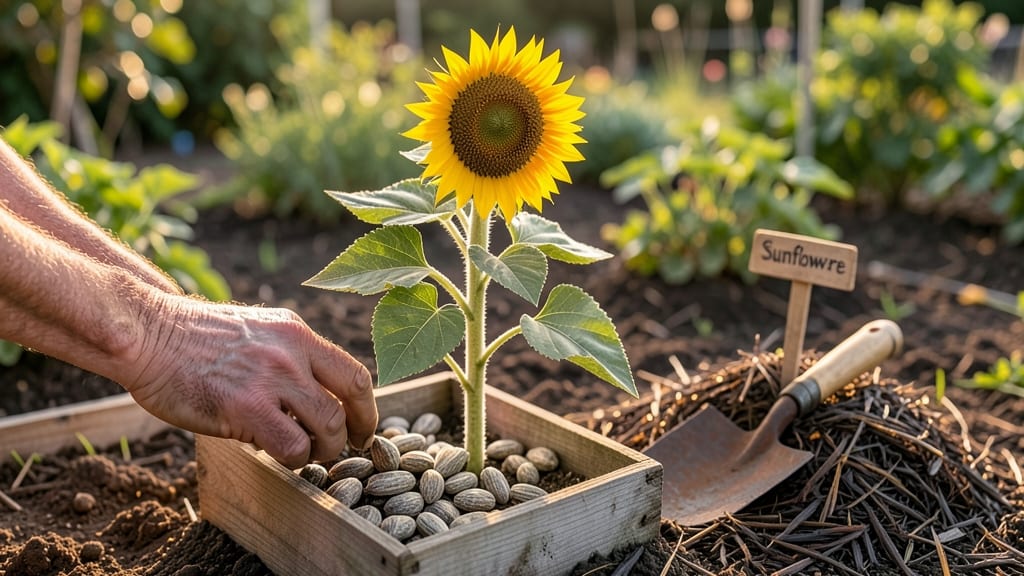
Planting sunflowers in Maryland after your last frost—typically around April 15—sets the stage for bold, towering blooms that thrive in the state’s 7a-7b zones.
But here’s the catch: rush the timing, and a late frost could nip those 🌻 seedlings in the bud. Wait too long, and your sunflowers might bolt before summer’s peak, leaving you with underwhelming stems.
Maryland’s microclimates—from coastal breezes to inland heat—mean your planting window could shift by weeks depending on where you live.
This guide breaks down the exact dates for your zone, soil prep secrets for Maryland’s clay-heavy earth, and how to adjust for urban balconies or rural plots. No more guesswork—just sunflowers that reach their full potential.
Ready to grow sunflowers that rival a Maryland summer sky? Let’s dive into the zone-specific schedule that keeps your garden thriving from seed to seed head.
Maryland sunflower planting dates by hardiness Zone (5a-7b)
Maryland’s sunflower growing season varies dramatically across its USDA zones 5a-7b, with last frost dates shifting from late April in southern regions to early May in northern areas.
For giant varieties like 'Russian Giant', timing is critical—plant too early, and frost will damage tender seedlings; too late, and your blooms may miss peak summer displays. Let’s break down the optimal planting windows for each zone, including soil temperature thresholds and Maryland-specific adjustments.
Most Maryland gardeners aim to plant sunflowers 2-4 weeks after the last frost, but soil temperature is the real game-changer. Sunflower seeds need 50-60°F soil to germinate reliably.
In Zone 7b (eastern shore), this typically aligns with mid-April to early May, while Zone 5a (Western Maryland mountains) may wait until late May. Urban areas like Baltimore (Zone 7a) often see warmer microclimates, allowing for slightly earlier plantings.
🌱Pro Tip: Use a soil thermometer to confirm readiness—waiting for 55°F+ soil ensures faster germination and stronger seedlings. For dwarf varieties like 'Teddy Bear', you can push planting dates slightly later (up to June 1), as they mature faster and tolerate cooler temperatures better.
| USDA Zone | Last Frost Date | Ideal Planting Window | Soil Temp Threshold | Best Varieties |
|---|---|---|---|---|
| 5a (Western MD) | May 1-15 | Late May to early June | 55°F+ | 'Autumn Beauty', 'Moulin Rouge' |
| 6a (Piedmont) | April 15-30 | Mid-April to May 15 | 50°F+ | 'Russian Giant', 'ProCut' |
| 7a (Baltimore/DC) | April 1-15 | Late March to April 30 | 48°F+ | 'Teddy Bear', 'Confetti' |
| 7b (Eastern Shore) | March 20-April 5 | Early April to mid-May | 45°F+ | 'Sunspots', 'Little Becka' |
For transplanting, Maryland gardeners often start seeds indoors 2-3 weeks before the ideal outdoor planting date.
Use biodegradable pots to avoid root disturbance when moving seedlings outdoors. Hardening off (acclimating plants to outdoor conditions) should begin 7-10 days before transplanting, especially in cooler zones like 5a where nighttime temperatures can drop suddenly.
🌿Urban vs. Rural Tip: City gardens (e.g., Baltimore) may experience heat island effect, allowing for earlier plantings. However, wind exposure in open fields (common in rural areas) can delay germination.
If your site is windy, plant seeds 1 inch deeper and use windbreaks like cornstalks or fencing to protect young plants.
If you’re growing confetti sunflowers (like 'Moulin Rouge'), aim for early May plantings in Zone 7b to ensure blooms appear by late June. These varieties are perfect for cut flower arrangements and attract pollinators early in the season.
For late-season bloomers like 'Autumn Beauty', extend your planting window to early June—they’ll reward you with golden-yellow blooms through October.
💧Watering Watch: After planting, keep soil consistently moist (not soggy) until seedlings reach 6 inches tall. In Zone 5a**, where summers are shorter, prioritize dwarf varieties that mature in 60-70 days to avoid frost damage to blooms.
Maryland’s first frost typically arrives in mid-October, but late-season varieties can still produce seeds if planted by July 15. For example, 'Russian Giant' planted in late June in Zone 7a will often survive until first frost, giving you taller stems for cutting and larger seed yields.
🌻Final Tip: Mark your calendar for June 15—this is the last safe date to plant sun
How to adjust planting for Maryland’s microclimates and soil types
Maryland’s diverse landscapes—from the coastal plains to the Appalachian foothills—create unique gardening challenges. Each region has distinct soil types and microclimates that demand tailored sunflower planting strategies.
Coastal areas like Zone 7b enjoy milder winters, while Zone 5a-6a in the mountains face earlier frosts. Understanding these differences ensures your sunflowers thrive year after year.
For coastal Maryland, warmer soils mean you can start seeds indoors by late March or direct-sow after April 15. In contrast, Piedmont gardeners should wait until mid-May to avoid late frosts, while Appalachian zones may need to delay planting until early June.
Soil amendments also vary—coastal areas often have sandy soil, while Piedmont and Appalachian regions frequently battle clay-heavy soil.
- Coastal (Zone 7b): Plant March 20–April 15; amend sandy soil with compost and peat moss for moisture retention.
- Piedmont (Zone 6b-7a): Start seeds April 1–May 15; break up clay soil with gypsum or aged manure.
- Appalachian (Zone 5a-6a): Wait until May 15–June 1; use raised beds for poor drainage and add organic matter.
- Urban balconies: Use large containers (12"+ deep) with well-draining mix; plant dwarf varieties like 'Teddy Bear' by May 1.
- Extend seasons: Cover young plants with frost cloth in late spring; choose early-blooming varieties like 'Moulin Rouge' for shorter seasons.
If you’re gardening in urban Baltimore or Annapolis, container gardening is a great solution. Use large pots with drainage holes and a mix of potting soil and perlite to mimic well-draining garden soil.
Place containers in south-facing spots to maximize sunlight, and water consistently—containers dry out faster than in-ground beds. For late bloomers, consider using black plastic mulch to warm soil and extend the growing season by 2–3 weeks.
For clay-heavy soils, common in the Piedmont and Appalachian regions, focus on improving drainage. Work in compost or aged manure before planting, and consider planting sunflowers in raised beds if your soil is particularly dense.
Clay soil holds moisture well, so avoid overwatering—sunflowers prefer consistent but not soggy conditions. If your soil is too compacted, till in sand or vermiculite to create air pockets for roots.
To protect sunflowers from late spring frosts, especially in Zone 5a-6a, use row covers or plant near heat-retaining structures like brick walls. For coastal gardeners, take advantage of milder winters by starting seeds indoors under grow lights in early spring.
This head start ensures your sunflowers reach maturity before the first frost in mid-October. Always monitor local frost dates and adjust planting times accordingly.
Finally, choose sunflower varieties that match your region’s growing season. Coastal areas can handle taller varieties like 'Russian Giant,' while shorter seasons in the Appalachians may require dwarf or mid-season varieties like 'Autumn Beauty.'
Mulch around plants to retain moisture and suppress weeds, and fertilize lightly with a balanced 10-10-10 formula when seedlings are 6 inches tall. With these adjustments, your sunflowers will flourish across Maryland’s diverse landscapes.