
Flowers
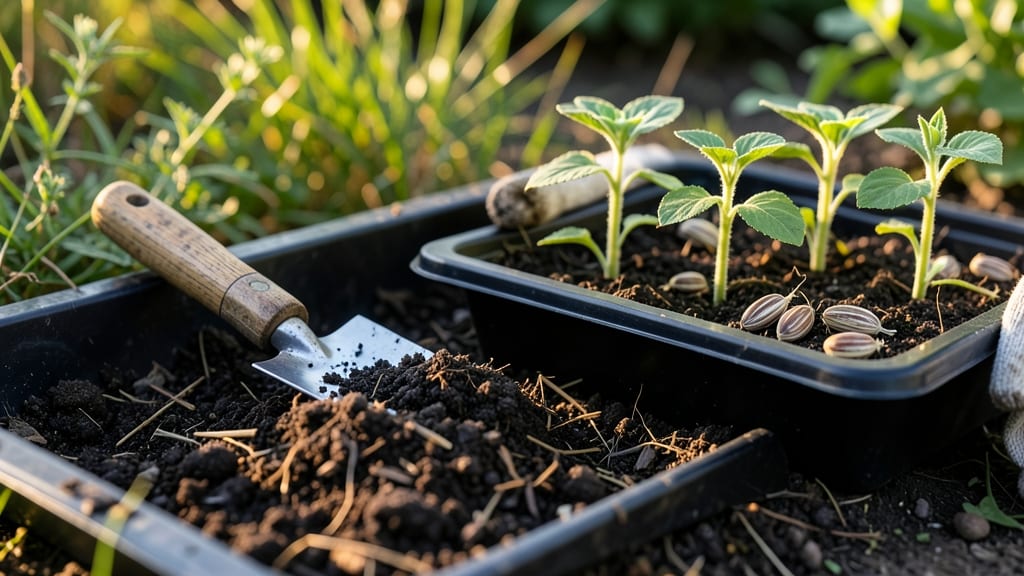
Planting sunflowers in Nebraska after the last frost date — typically mid-April to early June — unlocks their full potential for towering blooms and bird-friendly seeds.
Sunflowers aren’t just cheerful additions to your garden—they thrive in Nebraska’s golden fields when planted at the perfect time. Get the frost-free timeline wrong, and you’ll miss out on towering blooms and bird-friendly seeds.
With USDA zones 5a-6b and 150-180 frost-free days, Nebraska’s climate is ideal for sunflowers, but timing is everything. Plant too early, and a late frost will set you back; too late, and you’ll lose the growing season to summer’s heat.
In this guide, I’ll walk you through the exact planting window for your region, soil prep tips, and the best sunflower varieties for Nebraska’s conditions—so you can grow sunflowers that reach their full height and shine all summer long.
Nebraska sunflower planting dates by Zone 5-6 frost timeline
Nebraska’s Zone 5-6 climate means sunflowers can thrive with precise timing—plant too early, and frost will nip tender sprouts; too late, and you’ll miss summer’s peak growth. The key? Waiting until soil reaches 50°F+ and the last frost date has passed.
In Omaha and Lincoln, this typically lands in mid-April to early May, while rural areas may wait until late April due to colder microclimates.
Direct sowing is best for Nebraska sunflowers—transplants struggle with root shock in our dry, windy conditions. Start seeds indoors 4-6 weeks before your last frost date if you’re eager, but most gardeners opt for outdoor sowing in May to avoid transplanting stress.
For maximum yield, aim for late May plantings to ensure blooms appear before Nebraska’s first fall frost in mid-October.
🌱
| Region | Last Frost Date | Ideal Planting Window | Soil Temp Threshold | Method |
|---|---|---|---|---|
| Omaha (Zone 5b) | April 15 | Mid-April to May 10 | 50°F+ | Direct sow |
| Lincoln (Zone 5a) | April 20 | Late April to May 15 | 50°F+ | Direct sow |
| Rural NE (Zone 5a) | April 25 | Late April to early June | 50°F+ | Direct sow or transplant |
| All Regions (Late Planting) | N/A | June 1-15 (dwarf varieties) | 55°F+ | Direct sow only |
For Omaha gardeners, the mid-April to May 10 window is ideal—this aligns with the city’s average last frost date of April 15. Plant 1 inch deep and 6 inches apart, then thin to 12-24 inches as they mature.
Rural areas like western Nebraska can push planting to early June for dwarf varieties, but expect shorter stems and fewer seeds.
Watch for late-spring cold snaps, which Nebraska is famous for. If nighttime temps drop below 40°F after planting, cover seedlings with row fabric or a cloche. Soil thermometers are your best friend—wait until readings hit 50°F consistently before sowing.
In Zone 6b areas (like southeastern Nebraska), you can start 2 weeks earlier than the table suggests.
🌡️
Transplanting sunflowers in Nebraska is not recommended unless you’re using container-grown starts from a nursery. Young sunflowers have delicate root systems that break easily in our dry, windy soil.
If you must transplant, do so in early May when soil is warm and moist, and water deeply every 2-3 days for the first week to reduce shock.
Pro tip: Succession plant sunflowers every 2 weeks from May to June for a continuous harvest. This works especially well for cut flower gardens or attracting pollinators. By staggering plantings, you’ll have blooms from July through September, just before Nebraska’s first frost.
🌻
Don’t forget soil preparation—sunflowers thrive in well-draining, slightly acidic soil (pH 6.0-7.0). Work in 2 inches of compost before planting to improve fertility. In Nebraska’s clay-heavy soils, mix in sand or perlite to prevent waterlogging. Avoid fresh manure, which can burn young seedlings.
For maximum seed production, choose a sunny, sheltered spot away from strong winds. Nebraska’s Plains winds can snap tall stems, so consider staking varieties over 6 feet tall. In urban areas like Lincoln, containers or raised beds can help protect plants from wind damage while keeping roots cool.
5 Critical factors that determine your sunflower’s success in Nebraska
Beyond timing, Nebraska’s sunflowers need the right conditions to thrive. I’ve learned that soil quality, drought resilience, and pest prevention can make or break your harvest—especially in our variable climate. Let’s break down what truly matters beyond the planting calendar.
First, Nebraska’s clay-heavy soils often need amending. I always mix in compost or aged manure to improve drainage, as sunflowers hate soggy roots. A quick soil test for pH (aim for 6.0-7.0) will save you from stunted growth later.
Next, don’t underestimate drought tolerance. While sunflowers are resilient, Nebraska’s summer heat can stress them. I’ve found that deep watering once a week (not daily shallow watering) encourages stronger roots. Mulching with straw helps retain moisture and keeps weeds at bay.
Test soil pH (6.0-7.0) and amend with compost. Nebraska’s clay soil benefits from organic matter to improve drainage.
Deep water weekly (1 inch total) and mulch with straw. Sunflowers need consistent moisture but hate soggy soil.
Plant with corn or beans to improve soil nitrogen. Avoid tomatoes or sunflowers compete for nutrients.
Watch for sunflower moths and aphids. Neem oil or pyrethrin sprays work well for organic gardens.
Choose drought-tolerant varieties like ‘Moulin Rouge’ (60 days) or ‘Autumn Beauty’ (90 days) for Nebraska’s heat.
Another game-changer is companion planting. I’ve had the best success pairing sunflowers with corn or beans, which add nitrogen to the soil. Avoid planting them near tomatoes, as they compete for the same nutrients and can stunt each other’s growth.
Nebraska’s pests can also derail your sunflowers. The sunflower moth and aphids are my biggest enemies. I’ve found that a neem oil spray or pyrethrin-based insecticide works wonders without harming pollinators. Always check the undersides of leaves for early signs of infestation.
Finally, variety selection matters more than you’d think. In Nebraska’s heat, I stick to drought-resistant varieties like ‘Moulin Rouge’ (60 days to maturity) or ‘Autumn Beauty’ (90 days), which handle our summer temperatures better than standard types. These varieties also produce larger seed heads, perfect for bird feeders.
With these five factors in mind, your sunflowers will reach their full potential—towering over your garden and attracting pollinators all season long. 🌻